


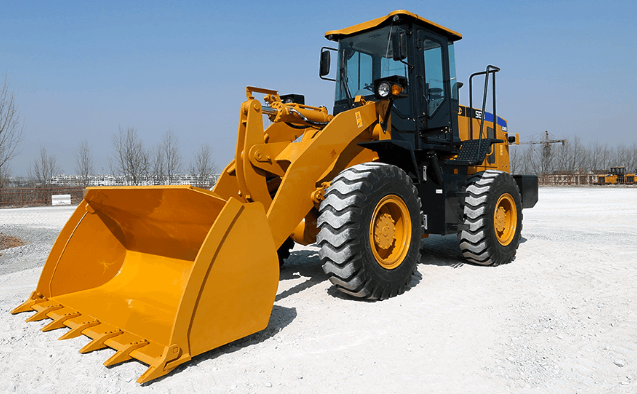
If you've spent any time around construction sites, quarries, or logistics yards in Oman, you've probably noticed one machine doing the heavy lifting again and again — literally. The wheel loader is one of those pieces of equipment that quietly keeps projects moving, scooping, lifting, and hauling material from one point to another without much fuss. But here's the question many contractors and site managers in Oman are asking these days: does it make sense to buy one, or is renting the smarter move?
For a growing number of businesses across Muscat, Sohar, Duqm, and Salalah, the answer is renting. And once you look at how Oman's construction and industrial landscape actually works, it's not hard to see why.
Oman's Projects Don't Always Need a Permanent Fleet
Oman is in the middle of a genuine infrastructure push. Ports, roads, industrial zones, and mining operations are expanding, especially around Duqm and the Al Batinah region. But here's the thing about most of these projects — they have a start date and an end date. A contractor might need a wheel loader for six months on a road-widening job, or for three weeks clearing a quarry site, and then not need one again for another year.
Buying a wheel loader outright for a job like that doesn't add up financially. You're looking at a significant upfront investment, ongoing maintenance costs, insurance, storage, and depreciation — all for a machine that might sit idle half the year. Renting flips that equation. You pay for the machine only when you actually need it, and once the job wraps up, it goes back to the supplier. No storage headaches, no resale hassle, no equipment gathering dust in a yard.
The Real Cost Advantage
When people compare renting versus buying, they often just look at the daily or monthly rental rate and compare it to a loan payment. That's only part of the picture. Ownership brings hidden costs that don't show up until months later — unexpected part replacements, hydraulic system repairs, tyre wear (which is no small expense on a wheel loader), and the labour cost of keeping a maintenance team on standby.
With a rental arrangement, most of that burden shifts to the rental company. A reputable equipment rental provider in Oman will keep its wheel loaders serviced, inspected, and ready to work, so if something does go wrong, it's their technician showing up, not yours. That alone can save a project manager a lot of sleepless nights, especially when deadlines are tight, and there's no room for a machine to be down for a week waiting on a part shipped in from abroad.
Flexibility Matches the Way Work Actually Happens
Anyone who's managed a job site knows that plans change. A project might scale up faster than expected, or a smaller loader might suddenly need to be swapped for a larger one because the material volume increased. Ownership locks you into whatever machine you bought. Renting doesn't.
Most rental companies in Oman carry a range of wheel loader sizes and capacities, so a business can move up or down depending on what a specific phase of work demands. Need a compact loader for a tight urban site in Muscat one month, and a heavy-duty unit for bulk material handling in Sohar's industrial zone the next? A good rental partner can usually make that switch without the contractor having to sell equipment or take on new financing.
Skilled Operators Without the Long-Term Hiring Commitment
Here's something people don't always think about upfront: a wheel loader is only as good as the person running it. Many rental companies in Oman offer operators along with the machine, which takes a real burden off smaller contractors who don't have a bench of trained operators sitting around waiting for the next job. It also means less liability sitting on the contractor's shoulders, since the rental company typically handles the operator's training and certification.
Where Wheel Loaders Actually Get Used in Oman
It's worth remembering that wheel loader rental isn't just a construction-site story. In Oman, these machines show up in:
- Quarrying and mining operations, moving crushed rock and aggregate
- Port and logistics yards, handling bulk cargo and containers
- Municipal and road projects, clearing debris and grading surfaces
- Agricultural operations, particularly in Al Batinah's farming belt
- Waste management sites, where loaders move and sort material efficiently
Each of these sectors has its own seasonal rhythm and project cycles, which again points back to why flexible rental terms fit Oman's working environment better than fixed ownership.
What to Look for in a Rental Partner
Not all rental companies are equal, and it's worth being a little selective. A few things worth checking before signing anything:
- Whether the fleet is genuinely well-maintained, not just recently painted
- How quickly they can respond if a machine breaks down mid-project
- Whether operators are included, and if they're properly certified
- Transparent pricing with no hidden charges for fuel, transport, or overtime
- Contract flexibility if project timelines shift, which they usually do
Read Also: A Trusted Online Entertainment Platform Offering Exciting
The Bottom Line
Renting a wheel loader in Oman isn't just a budget workaround — for many contractors, it's simply the more practical way to run a project. It keeps capital free for other priorities, removes the burden of maintenance and storage, and gives businesses the flexibility to scale equipment up or down as the work demands. In a market where infrastructure projects are moving fast, and timelines can shift overnight, that kind of flexibility isn't a luxury. It's how the work actually gets done.