


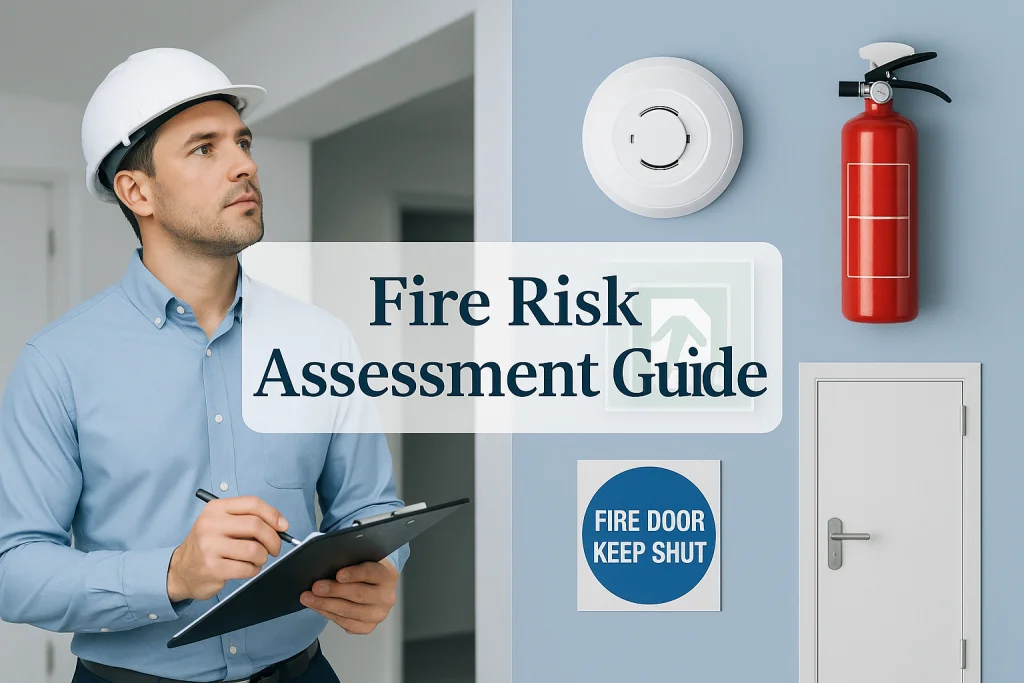
Fire safety is a legal and moral responsibility for every property owner in London. Whether you manage a residential building, commercial premises, or rental property, conducting a proper fire risk assessment is essential to protect lives, property, and your business. This comprehensive guide explains everything you need to know about fire risk assessments in London, including legal requirements, process, benefits, and frequently asked questions.
What is a Fire Risk Assessment?
A Fire Risk Assessment in London is a systematic evaluation of a building to identify potential fire hazards, assess the level of risk, and implement measures to reduce or eliminate those risks. It ensures that people can safely evacuate the premises in case of a fire.
The assessment involves:
- Identifying fire hazards (sources of ignition, fuel, oxygen)
- Evaluating people at risk
- Reviewing fire safety measures
- Recording findings and creating an action plan
Legal Requirements in London
Fire risk assessments in London are governed by the Regulatory Reform (Fire Safety) Order 2005. This law applies to all non-domestic properties, including:
- Offices and shops
- Restaurants and cafes
- Warehouses and factories
- HMOs (Houses in Multiple Occupation)
- Apartment buildings with shared areas
Under this legislation, the “responsible person” (owner, landlord, or employer) must:
- Conduct a fire risk assessment
- Regularly review and update it
- Implement appropriate fire safety measures
- Provide staff training
Failure to comply can lead to fines, prosecution, or even imprisonment.
Why Fire Risk Assessments are Important
1. Protect Lives
The primary goal is to safeguard occupants by minimizing fire risks and ensuring safe evacuation procedures.
2. Legal Compliance
Avoid penalties by complying with UK fire safety laws.
3. Property Protection
Early detection and prevention reduce the risk of costly damage.
4. Business Continuity
A fire can disrupt operations. Proper planning helps maintain continuity.
5. Insurance Benefits
Insurance companies often require valid fire risk assessments.
The Fire Risk Assessment Process
Step 1: Identify Fire Hazards
Common hazards include:
- Electrical faults
- Flammable materials
- Heating equipment
- Cooking appliances
Step 2: Identify People at Risk
This includes:
- Employees
- Visitors
- Residents
- Vulnerable individuals (elderly, disabled)
Step 3: Evaluate Risks
Assess how likely a fire could occur and the potential impact.
Step 4: Implement Safety Measures
Examples:
- Fire alarms and detection systems
- Fire extinguishers
- Emergency lighting
- Fire doors
Step 5: Record Findings
Documentation is required for businesses with five or more employees.
Step 6: Review Regularly
Update the assessment when:
- Layout changes
- New equipment is installed
- After a fire incident
Who Can Carry Out a Fire Risk Assessment?
You can perform a fire risk assessment yourself if you have the knowledge and competence. However, many property owners in London prefer hiring professional assessors to ensure compliance and accuracy.
Professional assessors:
- Have expert knowledge of fire safety regulations
- Provide detailed reports
- Offer practical recommendations
Key Fire Safety Measures
Fire Detection Systems
Install smoke alarms and heat detectors throughout the building.
Fire Extinguishers
Different types are required for different fire classes.
Emergency Lighting
Ensures visibility during evacuation in case of power failure.
Fire Doors
Prevent the spread of fire and smoke.
Clear Escape Routes
Keep exits unobstructed at all times.
Staff Training
Employees should know:
- Fire evacuation procedures
- How to use extinguishers
- Emergency contact protocols
How Often Should Assessments Be Reviewed?
A fire risk assessment is not a one-time task. It should be reviewed:
- Annually (recommended)
- After structural changes
- After introducing new hazards
- Following a fire incident
Regular reviews ensure ongoing compliance and safety.
Fire Risk Assessment for Different Properties
Residential Buildings
Landlords must ensure common areas are safe and compliant.
Commercial Properties
Businesses must protect employees and customers.
Industrial Sites
Higher risks require more detailed assessments.
HMOs
Strict regulations apply due to multiple occupants.
Choosing a Fire Risk Assessment Service in London
When selecting a provider, consider:
- Certification and qualifications
- Experience in similar properties
- Detailed reporting
- Competitive pricing
- Customer reviews
Hiring a professional ensures peace of mind and full compliance.
Common Mistakes to Avoid
- Ignoring small hazards
- Not updating the assessment
- Poor documentation
- Lack of staff training
- Blocking emergency exits
Avoiding these mistakes can significantly reduce fire risks.
Cost of Fire Risk Assessment in London
The cost varies depending on:
- Property size
- Complexity
- Type of building
Typical price ranges:
- Small properties: £100–£300
- Medium properties: £300–£700
- Large buildings: £700+
Investing in fire safety is far more cost-effective than dealing with fire damage.
Benefits of Hiring Professionals
- Accurate risk identification
- Compliance with UK laws
- Expert recommendations
- Time-saving
- Reduced liability
Professional services are especially valuable for complex or high-risk properties.
Conclusion
Fire risk assessments are a critical aspect of property management in London. They not only ensure compliance with legal requirements but also protect lives, assets, and businesses. Whether you choose to conduct the assessment yourself or hire professionals, regular reviews and proper implementation of safety measures are essential.
By prioritizing fire safety, you create a secure environment for everyone and avoid costly consequences.
FAQs
1. Is a fire risk assessment mandatory in London?
Yes, under the Regulatory Reform (Fire Safety) Order 2005, it is legally required for all non-domestic properties.
2. How long does a fire risk assessment take?
It depends on property size, but typically ranges from 1 to 4 hours.
3. Can I do a fire risk assessment myself?
Yes, if you are competent. However, hiring a professional is recommended for accuracy and compliance.
4. What happens if I don’t have a fire risk assessment?
You may face fines, legal action, or even imprisonment.
5. How often should I update my fire risk assessment?
At least once a year or whenever significant changes occur in the property.