


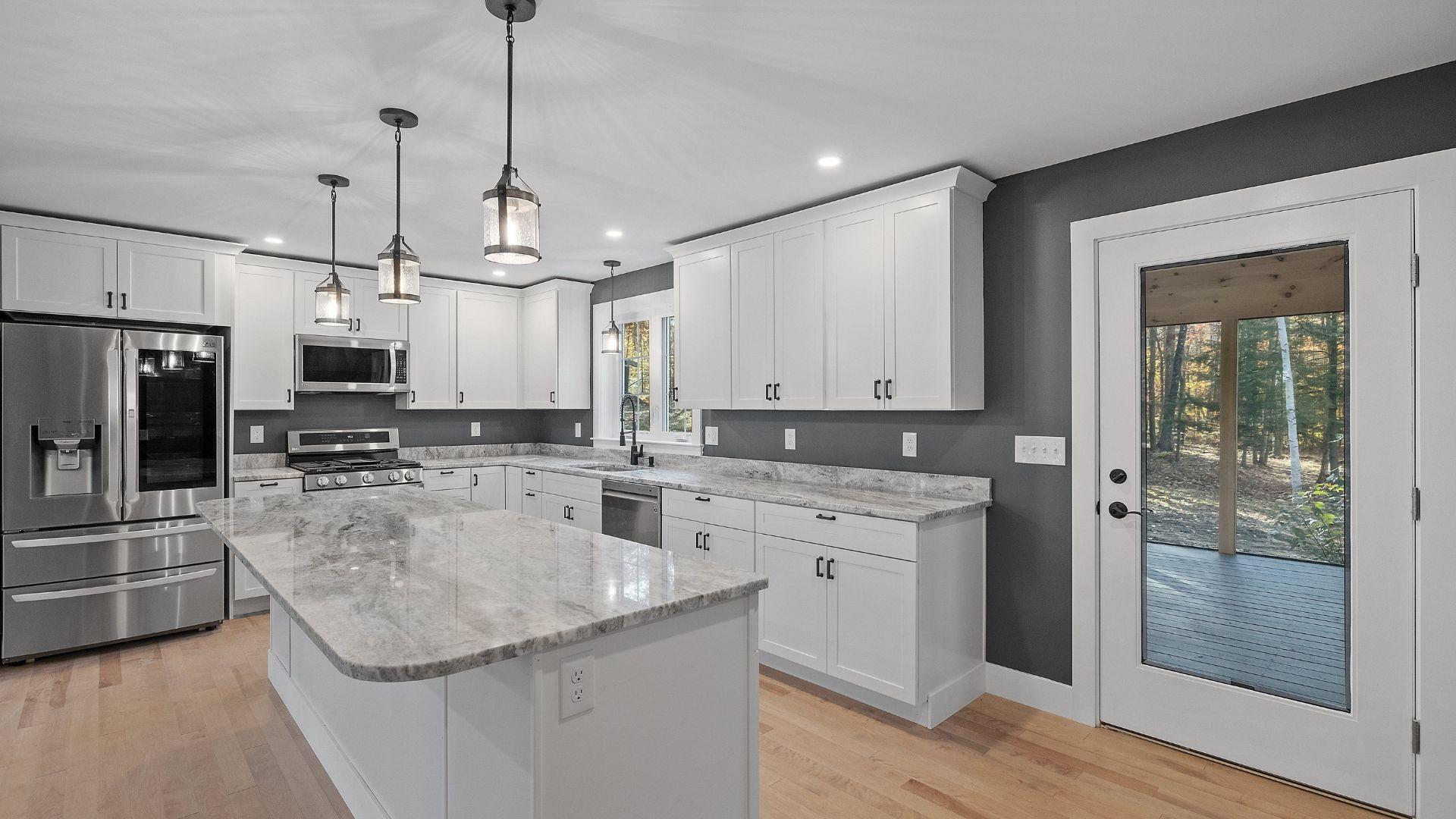
When it comes to enhancing the beauty, durability, and value of your home, kitchen granite installation is one of the most popular and reliable choices. Granite countertops not only elevate the aesthetics of your kitchen but also offer long-term performance that few materials can match. This expert-level guide covers the complete granite installation process, benefits, costs, maintenance, and professional insights to help you make an informed decision.
What Is Kitchen Granite Installation?
Kitchen granite installation refers to the professional process of measuring, fabricating, and installing natural granite slabs as kitchen countertops. Granite is an igneous stone formed under intense heat and pressure, making it extremely hard, heat-resistant, and durable—ideal for kitchen environments.
A proper kitchen installation ensures precision fitting, correct sealing, and long-lasting performance, which is why expert handling is essential.
Why Choose Granite for Your Kitchen?
Granite continues to dominate the countertop market for several reasons:
-
Exceptional Durability
Granite is scratch-resistant and can withstand daily wear, heavy cookware, and high temperatures. -
Natural Beauty
Each slab is unique, offering natural patterns, veins, and colors that add luxury to your kitchen. -
High Property Value
Homes with professionally completed granite installation often have higher resale value. -
Low Maintenance
With proper sealing, granite is easy to clean and resistant to stains and bacteria.
Kitchen Granite Installation Process (Step-by-Step)
1. Consultation and Material Selection
Experts help you choose the right granite color, thickness, and finish (polished, honed, or leathered) based on your kitchen design and usage.
2. Precise Measurement
Accurate digital or manual measurements are taken to ensure a perfect fit, including sink cutouts and appliance spacing.
3. Fabrication
The granite slab is cut, edged, and polished using advanced machinery. This stage defines the final look of your countertop.
4. Site Preparation
Old countertops are removed, cabinets are leveled, and the area is cleaned before the kitchen installation begins.
5. Granite Installation
The slab is carefully placed, aligned, and secured using professional adhesives. Seams are minimized and polished.
6. Sealing and Final Inspection
A high-quality sealant is applied to protect the stone from stains and moisture.
Cost of Kitchen Granite Installation
The cost of kitchen granite installation depends on several factors:
-
Granite quality and rarity
-
Thickness (2cm vs 3cm)
-
Edge profile complexity
-
Number of cutouts (sink, cooktop)
-
Labor and location
On average, granite installation can range from mid to premium pricing, but the long-term value justifies the investment.
Common Mistakes to Avoid During Granite Installation
-
Choosing granite without sealing requirements
-
Ignoring cabinet strength (granite is heavy)
-
DIY installation without professional tools
-
Poor seam placement affecting appearance
Hiring experienced professionals ensures your kitchen installation is structurally sound and visually flawless.
Granite Maintenance Tips for Long-Term Performance
-
Clean daily with mild soap and water
-
Avoid acidic cleaners
-
Reseal granite every 12–18 months
-
Use trivets for extremely hot cookware
With proper care, granite countertops can last decades.
Is Professional Kitchen Installation Worth It?
Absolutely. Professional kitchen granite installation ensures:
-
Accurate fitting
-
Reduced risk of cracking
-
Proper sealing
-
Warranty protection
DIY attempts often lead to costly mistakes due to granite’s weight and fragility during handling.
FAQs – Kitchen Granite Installation
Q1. How long does kitchen granite installation take?
Most granite installation projects are completed within 1–2 days after fabrication.
Q2. Is granite suitable for heavy kitchen use?
Yes. Kitchen granite installation is ideal for heavy cooking environments due to granite’s heat and scratch resistance.
Q3. Does granite require regular sealing?
Yes. Sealing once a year helps maintain durability and stain resistance.
Q4. Can granite crack after installation?
Cracking is rare when granite installation is done professionally with proper support.
Q5. Is granite better than quartz for kitchen installation?
Granite offers natural beauty and heat resistance, while quartz provides uniformity. The choice depends on preference and usage.
Conclusion
Investing in kitchen granite installation is a smart choice for homeowners seeking durability, elegance, and long-term value. From selecting the right slab to expert kitchen installation, professional handling ensures superior results that enhance both function and design. With proper maintenance, granite countertops remain timeless and reliable for years to come.