


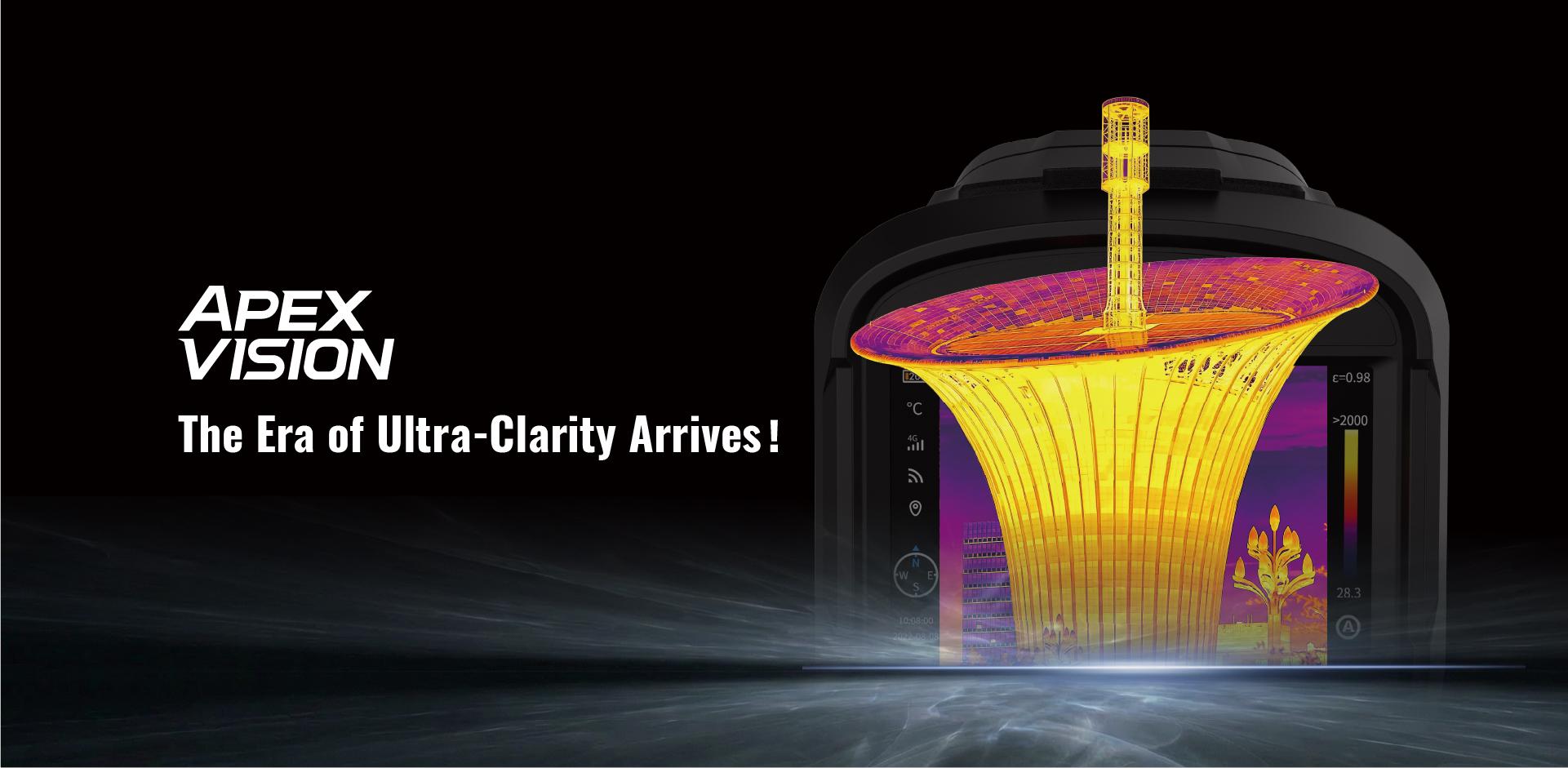
In the modern landscape of industrial maintenance and facility management, the ability to monitor equipment health without disruption is a vital operational requirement. Engineers and maintenance professionals frequently highlight the advantages of thermal imaging cameras as they provide a non-invasive, highly efficient means of visualizing heat distribution. By detecting infrared energy, these devices transform invisible temperature patterns into clear, actionable imagery, allowing teams to identify potential faults in electrical systems, mechanical assemblies, and building structures. As organizations prioritize uptime and safety, integrating this technology into regular inspection routines has become a standard practice for maintaining complex infrastructure.
The Science of Infrared Diagnostics
At its core, thermal imaging relies on the detection of electromagnetic radiation emitted by all objects above absolute zero. Unlike standard cameras that operate within the visible light spectrum, thermal imagers capture the infrared energy radiated by components. Through sophisticated sensor arrays, such as microbolometers, this data is processed and assigned a false-color scale that represents specific temperature ranges. This capability allows for the instantaneous identification of hotspots or thermal anomalies, such as loose electrical connections, overloaded circuits, or friction-heavy mechanical parts, often long before a physical failure occurs.
Enhancing Operational Reliability and Safety
The primary driver for adopting thermography is the substantial gain in operational reliability. Predictive maintenance programs benefit significantly from the ability to scan vast areas of a facility rapidly. By spotting overheating components during normal operation, teams can schedule repairs during planned downtime rather than reacting to emergency outages. Furthermore, thermal imaging enhances workplace safety by allowing inspectors to verify the condition of high-voltage switchgear, boilers, or moving machinery from a safe distance, effectively eliminating the need for physical contact with dangerous or pressurized equipment.
Precision Engineering for Early Detection
When complex diagnostics are required, deploying a high sensitivity intelligent thermal camera provides engineers with a significant edge in fault characterization. These advanced systems are specifically tuned to identify minute temperature fluctuations, often measured in millikelvin. By combining superior thermal sensitivity with onboard intelligent analysis tools, these cameras can automatically detect patterns that correlate with early-stage material fatigue or degradation. This precision is essential for industries where even the smallest thermal variance can be a precursor to a significant system malfunction or energy waste, ensuring that maintenance is targeted and highly effective.
Expanding Applications Across Diverse Sectors
The utility of thermal imaging extends well beyond simple troubleshooting. In the manufacturing sector, these cameras are used for quality assurance, ensuring that processes such as plastic molding, casting, or heat treatment remain within strict thermal tolerances. In the construction and real estate industries, they play a critical role in energy audits by pinpointing thermal bridges, moisture intrusion behind walls, and insulation gaps that lead to inefficient heating and cooling. The versatility of these tools ensures that they provide consistent value regardless of whether they are being used for daily spot checks or comprehensive site-wide surveys.
Data Integration and Smart Maintenance
Modern thermography is increasingly defined by its integration into broader digital ecosystems. Current generation cameras are designed to synchronize seamlessly with mobile applications and cloud-based management platforms, allowing for the automatic logging of temperature trends over time. This radiometric data—where each pixel carries accurate temperature information—is invaluable for historical analysis and long-term asset management. As smart factories and automated monitoring systems become more common, the capability to stream thermal data in real-time allows for autonomous oversight of critical assets, further reducing the reliance on manual inspection cycles.
Advanced Sensitivity for Complex Inspections
For professionals who operate in environments where thermal contrast is low or objects are at ambient temperatures, utilizing a thermal imaging camera with high sensitivity is an essential asset. These high-performance units excel by reducing image noise, which results in remarkably clear thermal profiles that simplify interpretation. Whether the task involves detecting subtle heat signatures in electronic circuit boards or identifying fluid flow issues in insulated pipelines, the superior clarity provided by high-sensitivity sensors ensures that professionals can make data-backed decisions with complete confidence. The combination of high resolution and thermal precision is truly the gold standard for modern technical inspections.
Investing in Long-Term Facility Health
Ultimately, the adoption of thermal imaging technology is a commitment to the long-term health of an industrial facility. By providing a window into the thermal behavior of critical assets, these tools empower organizations to shift away from reactive repair cycles toward a more strategic, predictive maintenance approach. As imaging sensors continue to advance in resolution and intelligence, the role of thermal diagnostics will only grow, serving as a pillar of modern industrial operations. Organizations that prioritize these diagnostic capabilities not only protect their capital investments but also establish a foundation for ongoing operational excellence and efficiency.