


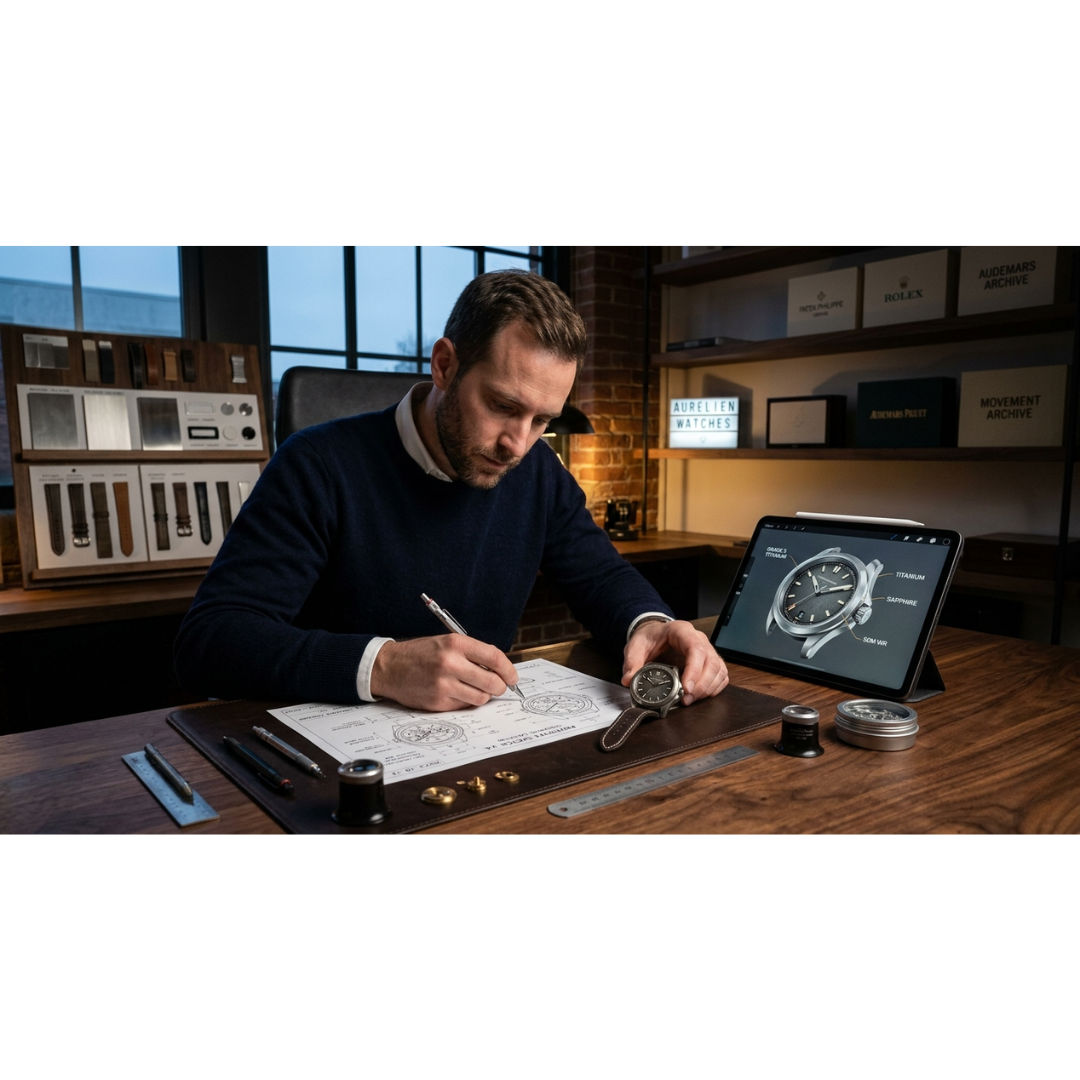
Luxury watch brands do not just sell time. They sell identity, craftsmanship, and a promise of quality that lasts generations. But none of that comes to life without the right design thinking behind it. A dedicated watch design studio shapes everything from the first sketch to the final product presentation, including how the brand communicates its value visually.
This blog covers practical design studio ideas that luxury watch brands can apply to stand out, stay consistent, and connect with a discerning audience.
Why Design Thinking Matters More Than Aesthetics in Watchmaking
Most people assume watch design is purely about looks. In reality, it is about problem solving.
How does the dial communicate the brand's heritage? How does the case shape feel on different wrist sizes? How does the packaging reflect the price point? These are design decisions, not styling choices.
Luxury watch brands that treat design as a core business function consistently outperform those that treat it as a finishing step.
Key Design Studio Ideas Worth Considering
1. Build a Strong Visual Brand Language First
Before designing any watch face or strap, the brand needs a clear visual language. This includes:
-
A defined color palette that stays consistent across products and marketing
-
Typography choices that match the brand's positioning (heritage, modern, sporty)
-
A signature design element that repeats across collections, such as a specific crown shape, bezel finish, or index style
This is what separates recognizable luxury brands from generic ones. When someone sees a Patek Philippe or an AP Royal Oak, they know the brand without reading the name. That kind of recognition is built through deliberate, repeated visual decisions.
2. Invest in Material Exploration as a Design Process
Material selection is not a manufacturing decision. It is a design decision.
The studio should be testing how different metals, straps, crystals, and coatings interact visually and functionally before committing to production.
Brands that experiment with PVD coatings, matte finishing, mixed textures between case and dial, or unconventional strap materials often find their most commercially successful designs through that process.
3. Design for the Full Product Experience, Not Just the Watch
Luxury watch buyers respond to the entire experience. That includes:
-
The unboxing moment (box structure, material, presentation)
-
The warranty card and documentation design
-
The boutique or website visual layout
-
How the watch is displayed in photography
A watch design studio that thinks about all of these touchpoints produces more cohesive brand experiences.
This is where many independent luxury brands fall short. They focus on the product and underinvest in everything surrounding it.
4. Use Modular Design Thinking for Collection Building
Luxury watch collections need variety without losing identity. Modular design thinking helps here.
The idea is simple: maintain a consistent case architecture while varying dial treatments, complications, or strap options. This gives the brand a wide range of SKUs without fragmenting the design language.
Brands like Jaeger-LeCoultre have used this successfully across their Reverso line for decades. The case is iconic. The variations keep it commercially relevant.
5. Incorporate 3D Visualization Early in the Design Process
Physical prototyping is expensive and time consuming.
3D rendering and digital prototyping allow the design team to make decisions faster, test proportions, and present concepts to stakeholders without committing to costly tooling.
For luxury brands working with smaller production runs, this step significantly reduces development time and minimizes costly revisions in later stages.
What to Look for in a Professional Watch Design Partner
Not every design agency understands the specific requirements of luxury horology.
When selecting a design partner, look for:
-
Prior experience in product or industrial design, not just branding
-
Understanding of watchmaking conventions and how to work within or around them
-
The ability to manage design across product, packaging, and digital presentation
-
A clear process from concept to final deliverable
Studio ABD is one such design partner that works with brands at this intersection of product thinking and visual strategy.
With a focused approach to brand and product design, they bring the kind of structured creative process that luxury watch brands actually need, not just visual ideas, but decisions that hold up through production and market launch.
Common Mistakes Luxury Watch Brands Make in Design
-
Copying references from established brands without building a distinct identity
-
Changing the design language too frequently across collections
-
Underestimating how much packaging and presentation affect perceived value
-
Treating the website and digital presence as an afterthought
Final Takeaways
Working with a professional watch design studio is not a luxury for established brands only. It is a practical investment for any watch brand serious about long term positioning.
Design consistency, material intelligence, experience design, and early digital prototyping are the four areas where the biggest improvements happen.
Brands that get these right build collections that sell on identity, not just specification.
FAQs
Q.1 What does a watch design studio actually do for a luxury brand?
Ans. It handles the visual and functional design of the watch product, packaging, brand identity, and sometimes the digital presentation. The goal is to make sure everything the customer sees and touches reflects the same quality standard.
Q.2 How early should a brand involve a design studio in the product process?
Ans. As early as possible. Ideally before any manufacturing decisions are made. Design input at the concept stage prevents costly changes later.
Q.3 Can smaller or independent watch brands afford professional design services?
Ans. Yes. Many design studios work with independent brands and startups. The investment is usually structured based on project scope, and it almost always pays back through stronger market positioning.
Q.4 What is the difference between a watch design studio and a branding agency?
Ans. A branding agency focuses on identity, messaging, and marketing. A watch design studio handles the physical and visual product design. The best outcomes come when both functions are aligned or handled by a partner that understands both.
Q.5 How does 3D visualization help in watch design?
Ans. It allows brands to see accurate proportions, surface finishes, and colorways before building physical samples. This speeds up the approval process and reduces prototype costs significantly.