


In the late 20th century, Western high fashion was a temple of unapologetic glamour, symmetry, and performative luxury. The runways of Paris, Milan, and New York were dominated by statuesque models walking in body-conculsing silhouettes, vibrant colors, and ultra-polished aesthetics meant to emphasize status and physical perfection.
Then came 1981.
When Rei Kawakubo brought her Rei Kawakubo brand, Comme des Garçons, from Tokyo to the Paris runways, she didn't just present a new collection—she threw a brick through the window of the fashion establishment. Alongside fellow Japanese designer Yohji Yamamoto, Kawakubo debuted a monochromatic palette of ink-blacks and gloomy greys, oversized silhouettes that completely obscured the female form, and garments that were intentionally frayed, torn, and asymmetrical.
The Western press was horrified, famously labeling the movement "Hiroshima Chic" and "the post-atomic look." They called it Anti-Fashion.
But what began as a radical, shocking rejection of conventional beauty standards quickly transformed into a blueprint for modern style. Over the decades, Kawakubo managed a seemingly impossible paradox: she took the uncompromising, intellectual ethos of the avant-garde runway and successfully translated it into a thriving, multi-million-dollar global retail empire.
What is Anti-Fashion?
To understand how Kawakubo redefined the concept, one must first understand what "anti-fashion" meant in the context of the early 1980s. It wasn't an anti-clothing movement; rather, it was a rebellion against the systems and clichés of the fashion industry.
Standard fashion was obsessed with:
-
The Seductive Silhouette: Highlighting the bust, waist, and hips.
-
Perfection: Flawless stitching, symmetrical patterns, and pristine fabrics.
-
Obvious Luxury: Silk, fur, gold hardware, and flashing logos.
Comme des Garçons rejected every single one of these rules. Kawakubo introduced concepts rooted deeply in the Japanese aesthetic philosophy of wabi-sabi—the celebration of imperfection, impermanence, and incompleteness. She boiled wool until it shrunk and warped, left seams exposed, slashed holes in sweaters, and used heavy padding to create strange, bulbous growths on garments (most famously in her 1997 "Body Meets Dress, Dress Meets Body" collection).
This was anti-fashion because it refused to cater to the male gaze or traditional social status. It was clothing designed entirely for the wearer’s intellect and personal comfort.
The Masterstroke: Translating Chaos into Commercial Genius
Many avant-garde designers remain starving artists, celebrated in museums but ignored by the market. Kawakubo, however, is a brilliant businesswoman. She understood that to maintain total creative freedom on the runway, she needed a rock-solid financial foundation at retail.
She achieved this through a highly calculated, multi-tiered brand architecture that allowed everyday consumers to buy into the Comme des Garçons meaning without having to wear a three-armed deformed dress on the subway.
1. The Gateway: CdG PLAY and Streetwear Accessibility
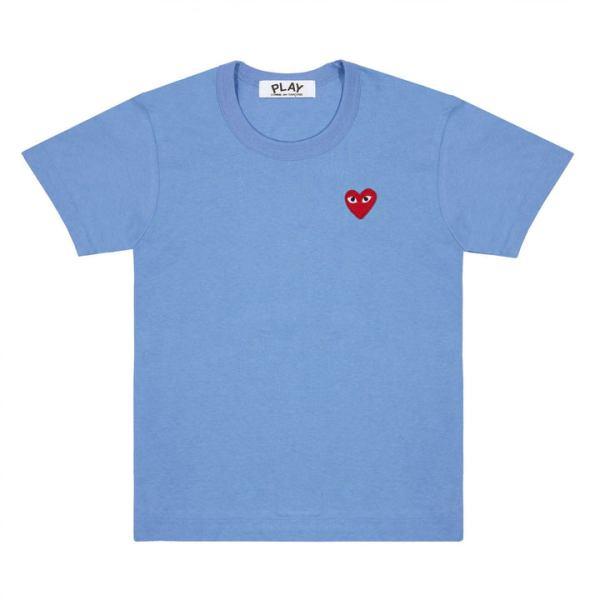
The most genius retail move in modern fashion history was the creation of Comme des Garçons PLAY in 2002. By slapping Filip Pagowski’s iconic peeping heart logo onto high-quality, basic streetwear items—like cardigans, hoodies, and Converse sneakers—Kawakubo built a financial engine. PLAY brought anti-fashion to the masses by stripping away the complex geometry of the runway but keeping the brand’s rebellious, cool attitude.
2. The Diffusion Lines
Kawakubo fragmented her universe into over a dozen distinct diffusion lines. Lines like Comme des Garçons Homme Plus (avant-garde menswear), CdG Shirt (reimagined wardrobe basics), and CdG Comme des Garçons (accessible womenswear) allowed different demographics to find their comfort zone within the brand.
3. The Olfactory Rebellion
In 1994, the brand launched its fragrance division, which treated perfumery the exact same way Kawakubo treated fabric. Instead of traditional floral or woody scents, CdG created "anti-perfumes" that smelled of industrial materials: hot tar, burnt rubber, printer ink, copper, and dry cleaning fluid. It turned out to be a massive commercial hit, proving that consumers were hungry for unconventional luxury.
Redefining the Retail Experience: Dover Street Market
Kawakubo’s subversion didn't stop at the clothes; she completely revolutionized how we shop. In 2004, alongside her husband and business partner Adrian Joffe, she opened Dover Street Market (DSM) in London (which has since expanded to Tokyo, New York, Los Angeles, and Paris).
Before DSM, luxury boutiques were intimidating, sterile spaces where clothes hung neatly on identical racks. Kawakubo envisioned Dover Street Market as a "beautiful chaos"—a multi-story department store where high-fashion sat directly next to raw streetwear, and where artists were given total freedom to design chaotic, sculpture-like installations for the clothing displays.
By mixing different brands, creators, and subcultures under one roof, she broke down the rigid, elitist barriers of traditional luxury retail.
The Enduring Legacy
Today, the elements that the fashion world initially mocked Kawakubo for—distressed denim, raw edges, oversized tailoring, all-black wardrobes, and gender-neutral silhouettes—are standard staples in almost every modern closet. What was once labeled "anti-fashion" has simply become fashion.
By building a bridge from the absolute fringe of creative expression to the realities of commercial retail, Comme des Garçons proved that you do not have to compromise your artistic soul to build a successful business. Decades after her Parisian debut, Kawakubo’s empire remains a living testament to the fact that true luxury isn't about fitting in; it’s about having the courage to stand completely, beautifully apart.
How to Integrate this Piece into your Website Strategy
This article provides an excellent opportunity to capture organic search traffic from readers interested in fashion history, design philosophy, and high-end streetwear curation.
Would you like to explore a metadata structure (such as an SEO title and meta description) tailored specifically to optimize the visibility of this post on your site?