


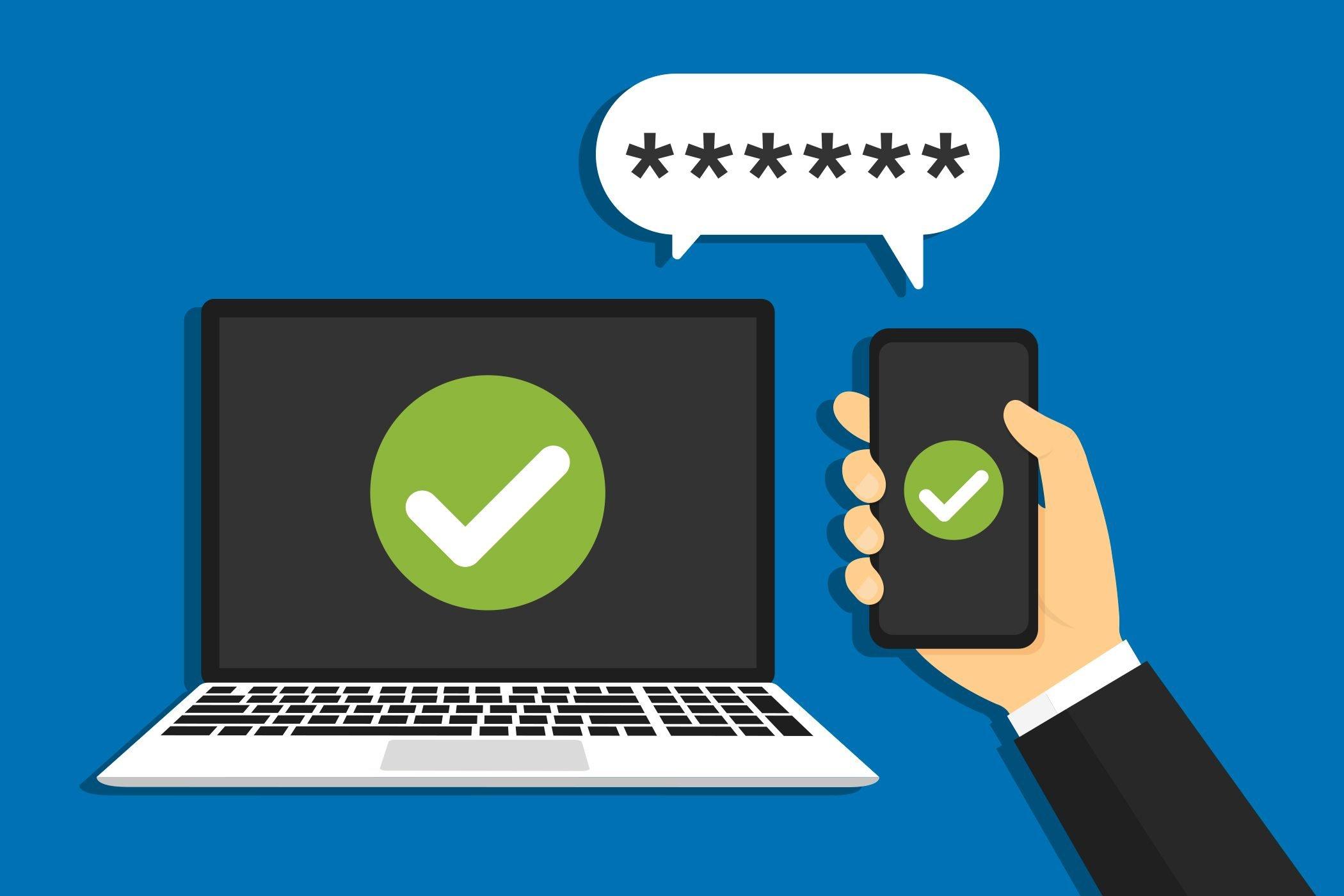
The Two-Factor Authentication Industry is evolving as organizations treat identity as the primary security boundary. The industry includes MFA vendors, IAM platform providers, hardware token makers, telecom-based OTP services, and customer identity platforms. Industry growth is driven by increasing credential attacks, remote access needs, and regulatory requirements. 2FA has become a baseline control for workforce access and is increasingly common for customer accounts in high-risk sectors. The industry is shifting toward stronger, phishing-resistant authentication due to the limitations of SMS and basic OTP. Passkeys and hardware-backed authentication are becoming central in vendor roadmaps. The industry also converges with zero trust, where authentication is combined with device posture and contextual signals. Reliability and trust are critical because authentication outages can halt business operations. Therefore, the industry emphasizes high availability, strong support, and secure recovery. As adoption broadens, the industry must balance security, usability, cost, and inclusivity across diverse user populations.
Industry dynamics include consolidation into identity platforms. Many organizations prefer MFA features integrated with SSO and conditional access rather than standalone tools. This drives competition among platform vendors that bundle 2FA with broader IAM capabilities. At the same time, specialized vendors maintain relevance by offering stronger factors, advanced policies, and better integrations. Hardware key ecosystems influence industry dynamics, especially for high-risk roles. Telecom-based OTP remains common, but industry sentiment is shifting due to SIM swapping and delivery reliability issues. Customer authentication dynamics differ, focusing on conversion, fraud reduction, and scale. Developers want APIs and SDKs that are easy to integrate, while compliance teams want audit logs and consent controls. Another dynamic is the growing importance of recovery flows; account recovery is often the weakest link, so industry solutions invest in stronger proofing and backup factors. The industry is also influenced by global regulations, which affect data handling, authentication requirements, and deployment models. Vendors must support diverse compliance needs while maintaining consistent security posture.
Challenges for the industry include user friction and attacker adaptation. Users can resist MFA if prompts are frequent or confusing. Poor UX can drive workarounds that weaken security. Attackers adapt by targeting session tokens, exploiting MFA fatigue, and social engineering recovery processes. Therefore, the industry must continually improve factor strength and session protections. Another challenge is accessibility; not all users have smartphones or stable connectivity, so alternative methods must exist. This creates complexity in policy design. Cost and scale are also challenges, particularly for SMS-based customer authentication. Enterprises need predictable pricing and reliable delivery. Security incidents and outages can damage vendor reputation quickly in this high-trust space. The industry also faces transition complexity as organizations move toward passkeys and passwordless methods. Migration requires device support, user education, and careful rollout. Vendors that provide smooth migration tools and clear guidance can reduce friction and accelerate adoption.
Industry outlook suggests increasing shift toward passwordless and phishing-resistant authentication. Passkeys will likely become more common as platform support expands. Risk-based authentication and conditional access will become standard, improving security while reducing unnecessary prompts. Customer authentication will adopt more intelligent step-up and fraud prevention features. Regulatory pressures may drive faster adoption of stronger methods, especially for financial transactions and privileged access. The industry will increasingly be judged by reliability, usability, and security strength rather than basic MFA availability. Vendors that provide secure recovery, clear admin controls, and strong integrations will lead. As identity threats remain high, two-factor authentication will continue as a foundational control, even as it evolves into broader multi-factor and passwordless models. The industry’s success will depend on delivering secure access that users accept and attackers cannot easily bypass.
Other Exclusive Reports:
Distributed Temperature Sensing Market