


Jebel Ali Property Investment 2026: Why Smart Investors Are Quietly Watching This Corridor
For years, Jebel Ali was seen primarily as Dubai’s industrial backbone. Ports, logistics hubs, warehouses — not exactly the first image that comes to mind when you think of residential investment.
But in 2026, something has shifted.
Search trends show growing interest in “Jebel Ali property investment,” “apartments near Jebel Ali metro,” and “Jebel Ali vs Dubai South.” Investors are no longer ignoring this area. They are studying it.
And when investors start studying an area quietly, that usually means infrastructure is doing the talking.
Why Jebel Ali Is Back on the Investment Radar
The difference between hype-driven growth and infrastructure-driven growth is simple: infrastructure lasts.
Jebel Ali has three structural pillars supporting it:
- Operational metro connectivity (UAE Exchange & Energy stations)
- Jebel Ali Port and Free Zone employment base
- Direct access to Sheikh Zayed Road (E11)
This is not future planning. It already exists.
That matters because rental demand here is not dependent on lifestyle appeal. It is supported by workforce density — logistics professionals, port employees, corporate staff in nearby free zones, and mid-income residents who prioritise connectivity over luxury branding.
For a rental-focused investor, that stability is powerful.
Jebel Ali Rental Yield: What Investors Actually Want to Know
When someone searches “Jebel Ali rental yield 2026,” they are not looking for marketing promises. They want to know one thing:
Will my unit stay occupied?
Properties near metro corridors in Dubai historically attract stronger tenant rotation and lower vacancy risk. In Jebel Ali, studio and one-bedroom apartments within reach of metro stations tend to appeal to:
- Professionals working in JAFZA
- Logistics and shipping sector employees
- Tenants commuting to Marina and JLT
- Budget-conscious residents
This creates a wider tenant pool compared to isolated car-dependent zones.
Yield is not just about percentage. It’s about occupancy consistency.
Jebel Ali vs Dubai South: The Honest Comparison
Investors often compare Jebel Ali to Dubai South. On paper, both are in the southern corridor.
But their timelines are different.
Dubai South is heavily linked to Al Maktoum Airport expansion and long-term master planning. Growth there is phased and future-oriented.
Jebel Ali is already operational.
Metro? Active.
Employment base? Established.
Road connectivity? Functional.
For investors looking for near-term rental activation rather than waiting for long-cycle appreciation tied to airport timelines, Jebel Ali currently offers more immediate structural backing.
That’s why this comparison keeps appearing in search behavior.
Apartments Near Jebel Ali Metro: Why This Micro-Location Matters
Another strong search theme is “apartments near Jebel Ali metro.”
In Dubai, proximity to metro is not cosmetic. It directly influences rental demand.
Units near transport corridors attract tenants who:
- Do not want car dependency
- Work in nearby industrial hubs
- Prefer connectivity to Marina and central Dubai
- Seek affordable yet connected housing
This is why metro-backed micro-markets historically perform better in downturn phases. They serve need-based tenants, not speculative lifestyle demand.
Off-Plan Projects in Jebel Ali: What Investors Are Evaluating
When evaluating off-plan projects in Jebel Ali, investors focus on three things:
- Developer credibility
- Connectivity
- Unit mix practicality
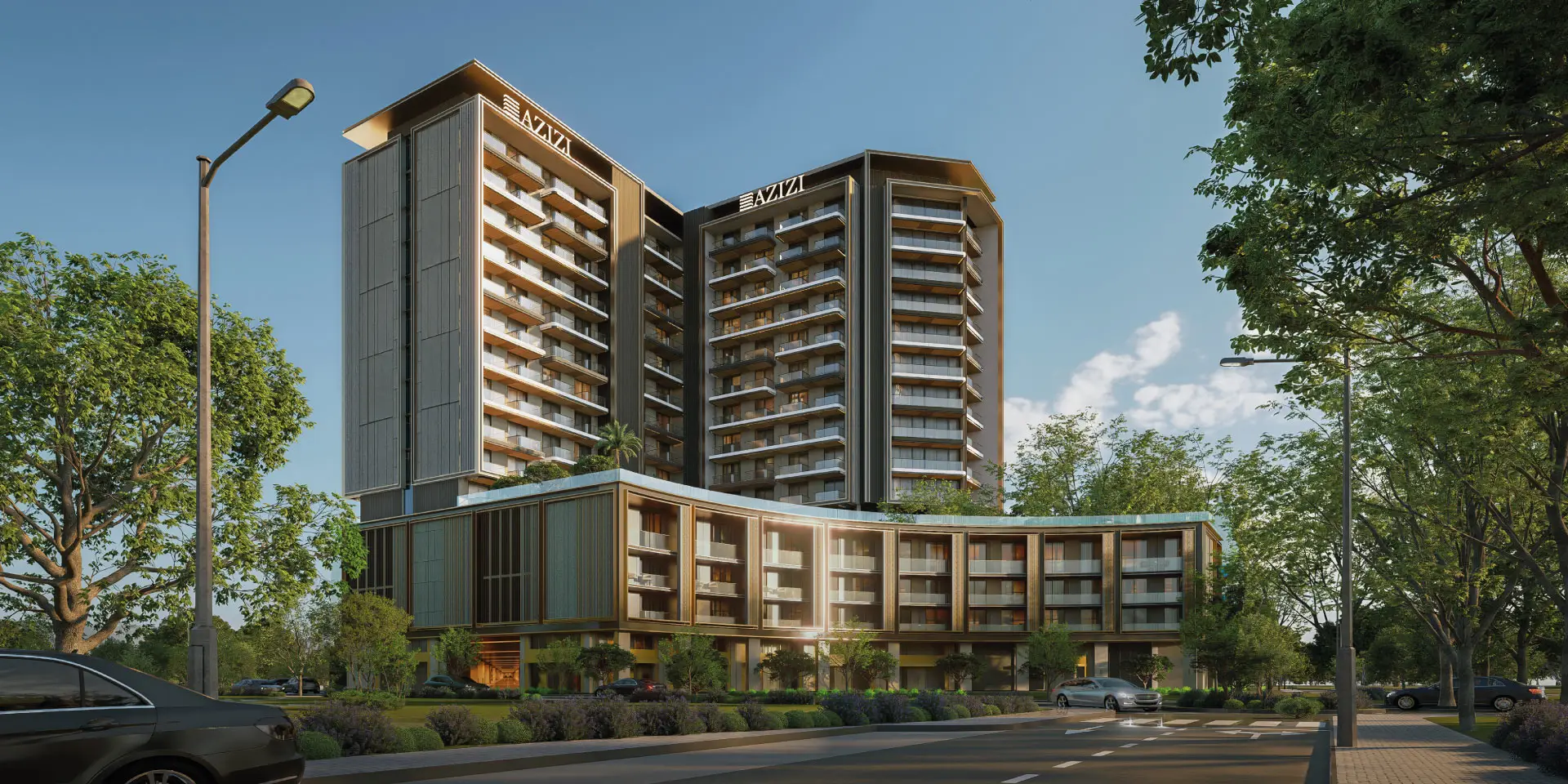
This is where developments like Azizi Gabriel in Jebel Ali enter the conversation.
From an investor standpoint, it aligns with what the area demands:
- Studio and 1-bedroom configurations
- Location tied to transport corridors
- Payment structures suitable for rental-focused buyers
It is not positioned as ultra-luxury. And that’s intentional.
The tenant base in Jebel Ali is practical, and investment projects that align with that practicality tend to perform better than projects trying to force a luxury narrative into an employment-backed corridor.
Is Jebel Ali Oversupplied?
Oversupply is a valid concern in Dubai.
However, Jebel Ali’s residential stock is not as saturated as central zones like Business Bay or Dubai Marina. The key is micro-location selection.
Not all Jebel Ali is equal.
Investors should focus on:
- Metro-linked pockets
- Direct road connectivity
- Practical mid-rise inventory
- Entry pricing aligned with rental affordability
Blindly buying in the broader area label is risky. Targeted selection is where performance lies.
Who Should Consider Jebel Ali Property Investment in 2026?
This corridor suits:
- Yield-driven investors
- First-time Dubai buyers entering below central price points
- Long-term holders seeking stable rental activation
- Investors who prioritise infrastructure over hype
It may not suit:
- Ultra-luxury end users
- Waterfront lifestyle seekers
- Short-term flippers chasing quick capital spikes
Jebel Ali is a stability play, not a glamour play.
Final Perspective
Jebel Ali property investment in 2026 is not about storytelling. It’s about structural fundamentals:
Metro connectivity.
Port-driven employment.
Highway access.
Proximity to Expo City.
The investors watching Jebel Ali are not chasing headlines. They are studying transport nodes, tenant profiles, and workforce density.
And historically, infrastructure-backed corridors in Dubai tend to reward patient capital.
Frequently Asked Questions
1. Is Jebel Ali a good area for property investment in 2026?
Yes, particularly for rental-focused investors. Its metro connectivity and employment base create consistent tenant demand compared to lifestyle-driven zones.
2. What type of property performs best in Jebel Ali?
Studios and 1-bedroom apartments near metro access typically attract stronger rental demand.
3. How does Jebel Ali compare to Dubai South?
Jebel Ali offers immediate operational infrastructure, while Dubai South is more long-term aviation expansion driven.
4. Is rental demand stable in Jebel Ali?
Demand is employment-backed, which generally supports consistent occupancy levels.
5. Are apartments near Jebel Ali Metro in high demand?
Yes, metro-linked properties attract a wider tenant pool and reduce vacancy risk.
6. Is Jebel Ali oversupplied?
Not uniformly. Certain pockets remain moderate in supply, but micro-location selection is critical.
7. Does Expo City influence Jebel Ali investment?
Yes, its proximity strengthens long-term regional positioning and connectivity.
8. What makes Azizi Gabriel relevant for investors?
Its practical unit mix and metro proximity align with rental-driven demand in the area.
9. Is Jebel Ali suitable for end-users?
It suits professionals working nearby more than luxury lifestyle buyers.
10. Who should avoid investing in Jebel Ali?