


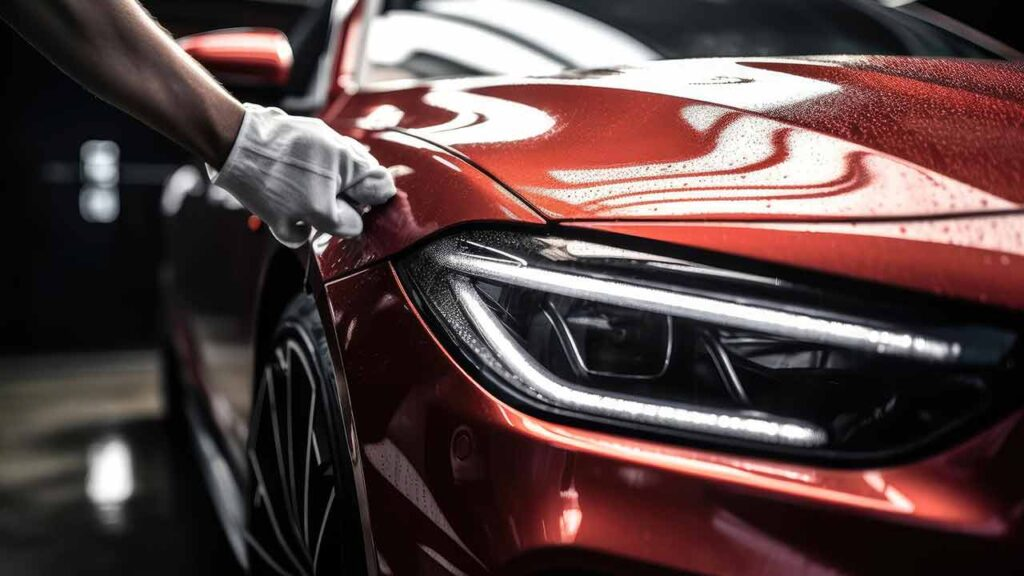
There's something magical about a gleaming vintage car. Whether it's a 1960s roadster or a 1970s muscle car, these machines aren't just transportation—they're rolling history, automotive art, and for many owners, family heirlooms on wheels . Unlike modern vehicles with their durable clear coats and synthetic materials, classics demand a different approach. They have thinner paint, genuine leather, chrome bumpers, and rubber seals that can degrade with the wrong care. This specialized discipline sits at the pinnacle of professional car detailing, where technicians balance modern preservation science with reverence for original materials.
Why Classic Cars Require a Different Philosophy
Think about the last time you saw a pristine vintage car at a show. That gleaming finish didn't happen by accident. Classic cars are survivors—they've weathered decades of sun, rain, road grime, and probably a few questionable wax jobs from decades past .
The Clear Coat Question: Most modern vehicles come with durable clear coats that protect the paint underneath, making them more forgiving during polishing. However, classic cars often lack that protective layer entirely . What you're seeing is the actual color coat—the paint itself—exposed and vulnerable. Single-stage paint, common on vehicles through the late 1980s, is permeable and can actually absorb oils from detailing products, which is both a challenge and an opportunity .
Emotional Significance: For many owners, a classic car is family history. It might remind you of your first car, your father's weekend project, or that dream you finally achieved . That connection makes maintenance more than a chore—it's a way of protecting a memory.
Understanding Single-Stage Paint
The single most important distinction in classic car detailing is the paint type. If your vintage vehicle hasn't been repainted with modern two-stage systems, you're working with single-stage paint.
Permeability Changes Everything: Unlike modern clear-coated finishes, single-stage paint is porous. Over decades, the natural oils that give paint its depth and richness can leach out, especially if the car hasn't been meticulously maintained . This leaching causes the color to look pale, chalky, or faded—not because the paint is gone, but because it's dry and thirsty.
The Feeder Oil Technique: Experienced classic car detailers use this permeability to their advantage. Products like Meguiar's #7 Show Car Glaze contain restorative feeder oils that can be drawn into permeable single-stage paint through capillary action, conditioning and rejuvenating the color from within . One detailer described leaving a heavy application on a 1971 Volvo for 24 hours—the next morning, the pale yellow had bloomed into something richer and more complex . This technique simply doesn't work on modern clear coats, but for classics, it's transformative.
The Gentle Approach: Hand Techniques Over Machines
Vintage finishes are thinner and more delicate than modern paint. What a modern car can tolerate, a classic might not survive.
Polishing With Restraint: Polishing can bring life back to dull paint, but it's easy to go too far with thin vintage finishes. Stick with mild polishes and apply by hand or with a dual-action polisher on the lowest setting . The goal is enhancement, not heavy correction. When using any cleaner or polish, take extra care on panel transitions or edges where paint is thinnest .
Heat Sensitivity: Too much heat from a buffer can cause irreversible damage to old paint . If you use machine polishing, keep speeds low and monitor panel temperatures constantly.
The Clay Bar: Safe Decontamination for Vintage Paint
Before any polishing or protection, the surface must be free of bonded contaminants. Clay bars are safe for classic cars when used correctly.
The Plastic Bag Test: If you put your hand in a thin plastic bag and gently drag your fingertips over clean paint, you can feel contaminants that washing misses . This roughness indicates embedded particles that a clay bar can remove.
Proper Technique: After washing and drying, work one panel at a time. Spray the paint generously with lubricant, form a chunk of clay into a round patty, and lightly drag it over the lubricated surface . You can actually hear it working as it pulls out contaminants. Use plenty of lubricant and light pressure—vintage finishes are softer and more susceptible to marring than modern clear coats.
Chrome and Metal Trim Restoration
Nothing pops on a classic like sparkling chrome bumpers and trim. But these metals are susceptible to pitting, oxidation, and tarnishing.
Dedicated Metal Polishes: Use a dedicated metal polish with a microfiber applicator to remove oxidation and bring back mirror-like shine . For heavily pitted chrome, multiple applications may be necessary. Seal the surface afterward to slow down future tarnishing.
Rust Removal Caution: If rust stains appear on painted surfaces, specialized rust removers formulated to be safe on paint can help. Products containing lactic or gluconic acid can remove rust without damaging finishes when used as directed . Always test in an inconspicuous area first.
Interior Preservation: Leather, Vinyl, and Textiles
Classic interiors feature materials that modern cars abandoned years ago—genuine leather, fragile vinyl, and unique textiles that demand respect.
Leather Care: Older leather can dry out and crack without proper nourishment. Use a gentle leather cleaner followed by a conditioner specifically formulated for vintage hides . The conditioner replaces oils lost over decades, keeping leather soft and preventing cracks.
Vinyl and Dashboard Care: Vintage dashboards are often made of materials that become brittle with age. UV exposure is their enemy. Use protectants designed for classic interiors, avoiding overly glossy finishes that look out of place on a period-correct vehicle .
Convertible Tops: Classic convertible tops may be fabric or vinyl, each requiring different care. Use fabric-specific shampoo for cloth tops and vinyl protectants for vinyl. Always follow with a water-repellent treatment to extend life .
Rubber Seals and Weather Stripping
Rubber window seals, door gaskets, and weather stripping are often overlooked but crucial for preserving originality. These components keep water and dust where they belong—outside.
Protection Against Drying: Treat rubber with dedicated protectants to prevent cracking and fading from sun exposure . Healthy rubber also helps maintain cabin integrity and prevents leaks.
Modern Protection for Vintage Vehicles: Ceramic Coatings
Traditional carnauba wax has been the classic car owner's friend for generations, delivering warm, deep shine. But modern ceramic coatings offer compelling advantages—even for vintage vehicles.
Why Ceramic Coatings Work on Classics: Ceramic coatings provide a high-tech layer of protection that bonds with your car's surface to form a long-lasting shield against UV rays, grime, chemicals, bird droppings, and even minor scratches . Unlike waxes that wear off in weeks, ceramic coatings can last for years with proper maintenance.
UV Protection: The single greatest enemy of classic car paint is ultraviolet radiation. Ceramic coatings offer superior UV protection, reducing fading and oxidation significantly .
Hydrophobic Benefits: The water-repellent properties of ceramic coatings mean less water contacts the paint, reducing water spotting and making maintenance washes easier and safer .
Application Considerations: For premium coatings, professional application is recommended . Apply in a dust-free, climate-controlled environment to ensure optimal bonding . The coating is transparent and non-invasive—it protects without altering or damaging the original finish .
Storage: The Other Half of Preservation
Keeping a classic car clean is only half the battle. Storage mistakes can undo hours of detailing and shorten the life of paint, chrome, and interior.
Clean Before Covering: Never store a dirty car. Dust and grime act like sandpaper when trapped under a cover, slowly dulling paint . Always wash, wax, and wipe down interiors before putting your classic away.
The Right Environment: A climate-controlled garage beats a driveway every time. Cool, dry spaces protect against UV rays and reduce rust risk. Dehumidifiers help in damp climates .
Breathable Covers: Plastic covers trap condensation, leading to mold and rust. Use breathable, soft fabric covers that shield against dust while allowing air circulation .
Storage Details: Inflate tires to correct pressure to avoid flat spots, keep a trickle charger connected, and top off fluids before long-term storage .
How Often Should a Classic Be Detailed?
Classics don't rack up miles like daily drivers, but they still need regular attention. Dust, UV rays, and humidity affect stored vehicles as much as driven ones.
For most owners, a full classic car detailing session every few months—seasonally, like spring and fall refreshes—is plenty . In between, quick maintenance washes and wipe-downs with detail spray help preserve shine without adding unnecessary wear. If the car is stored indoors and covered, intervals can stretch longer, but regular light cleaning still matters.
The golden rule: treat detailing frequency like a health check-up. Too little attention and issues sneak up; too much aggressive cleaning risks harm .
The Emotional Reward
Classic car detailing is more than maintenance—it's a way of honoring craftsmanship and preserving the spirit of a bygone era. Every polish, wax, and careful wipe-down is an investment in keeping history alive, allowing each curve and chrome detail to tell its story with pride .
When you care for a vintage ride properly, you're not just maintaining a vehicle. You're safeguarding a piece of automotive art. The connection between owner and classic runs deep, and that makes the effort worthwhile.
Conclusion
Detailing a vintage or classic car is a labor of love that bridges traditional techniques and modern technology. From understanding single-stage paint's unique needs to applying advanced ceramic protection, every step requires knowledge, patience, and respect for originality. The rewards are profound—a vehicle that not only turns heads but carries its history forward, gleaming with the same pride it inspired decades ago. For owners who want this specialized care without the time investment, expert mobile car detailing services now bring classic car knowledge and gentle techniques directly to your location, ensuring your automotive treasure receives the preservation it deserves.
Frequently Asked Questions
What's the biggest difference between detailing a classic and a modern car?
The paint. Most classics have single-stage paint without a protective clear coat, making them more vulnerable and permeable. They require gentler techniques and can benefit from "feeder oil" products that modern clear-coated cars cannot absorb .
Can I use a clay bar on my classic car's paint?
Yes, with caution. Clay bars safely remove embedded contaminants, but vintage finishes are softer. Use plenty of lubricant and light pressure to avoid marring .
Is ceramic coating safe for original classic car paint?
Yes, ceramic coatings are transparent and non-invasive. They protect original paint without altering or damaging the finish, offering superior UV protection and longevity compared to traditional wax .
How do I restore faded single-stage paint?
Products containing restorative feeder oils can be drawn into permeable single-stage paint through capillary action, conditioning and rejuvenating the color from within. This technique can dramatically deepen color and richness .
What's the best way to clean classic chrome trim?
Use a dedicated metal polish with a microfiber applicator to remove oxidation. For heavily pitted chrome, multiple applications may be needed. Seal afterward to slow tarnishing .
How should I store my classic car between shows?
Store in a climate-controlled garage, clean before covering, use a breathable fabric cover, maintain tire pressure, and keep a battery tender connected .
Can I use modern polishers on vintage paint?
Yes, but with extreme care. Use a dual-action polisher on the lowest setting with mild polish. Pay special attention to edges where paint is thinnest, and monitor heat buildup carefully .