


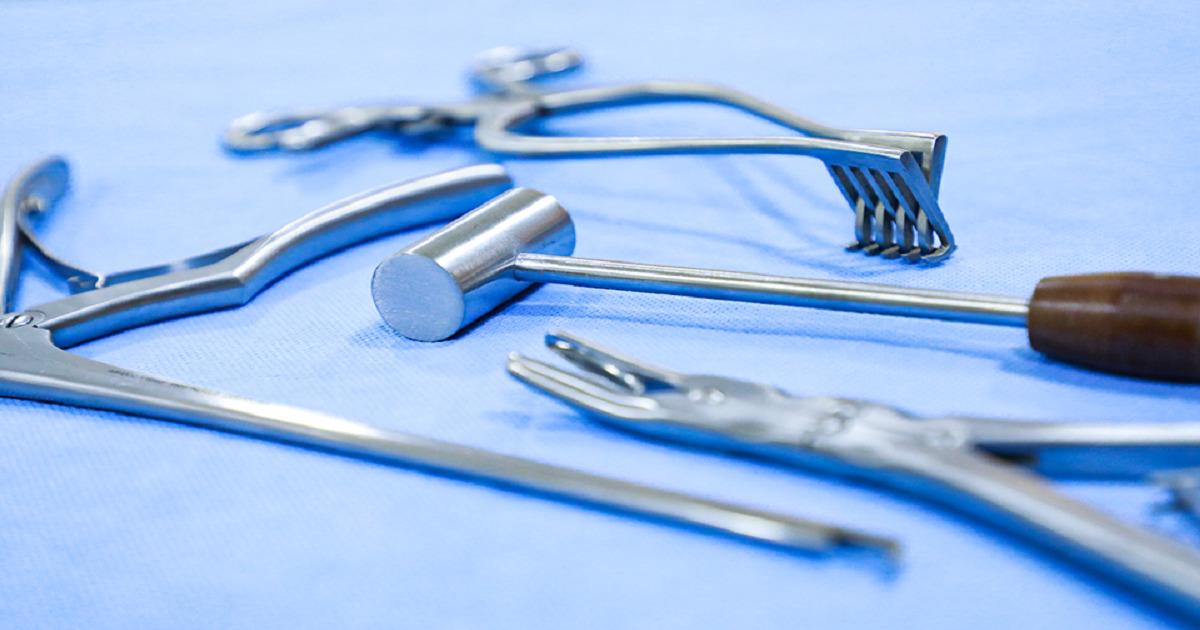
Quality Orthopaedic Instruments: The Key to Successful Surgeries
In the busy environment of orthopaedic surgery, it can be a matter of life and death; the Quality of Orthopaedic Tools. Such accurate instruments enable the surgeon to approach complex joint repair, fracture repair, and spinal repair with confidence. Being a major medical supply company, we know that the surgeons require the instruments that will provide them with incomparable durability, sharpness, and ergonomics; all of which directly determine patient recovery and efficiency in the procedure.
This blog explores the fundamentals of quality orthopaedic tools, both in material developments and in the pragmatics of choice. Orthopaedic experts looking to acquire equipment to use in their practice and hospital administrators trying to streamline inventory will all find something to help them bring their surgical practice to the next level. We shall delve into the reasons as to why investing in premium instruments is not only an option but a mandate in contemporary orthopaedics.
Why Select Good Orthopaedic Instruments?
Excellence in Materials to Ensure a Long-lasting Performance
The quality of the orthopaedic instruments begins with good quality materials such as medical grade stainless steel and titanium alloys. They can be subjected to repeated sterilization cycles without corrosion or dulling, and therefore, they remain consistent in performance even when under stressful arthroscopic or osteotomy surgeries. Compared to other inexpensive options, high quality instruments do not pit and have razor-sharp edges, minimizing tissue damage and operative time.
An example is tungsten carbide cutters and rongeur inserts, which offer the highest level of hardness, which is best suited to bone work. The suppliers that focus on such materials ensure the instruments that meet the ISO 13485 standards, reducing the risks such as failure of instruments during the surgery.
Surgical Accuracy Precision Engineering
All high quality orthopaedic tools are meticulously crafted, with tolerances to microns. This precision is evident in simple tools such as awls, chisels and curettes, where minimal deviation can affect the positioning in total knee replacements. Ergonomic handles minimize fatigue in the surgeon, allowing them to have steady hands during prolonged surgery.
The use of sophisticated manufacturing processes (CNC machining and laser etching) makes depth gauging marks readable. The result? Devices that complement less invasive methods and result in fewer incisions, less blood loss, and quicker patient recovery.
Durability Meets Cost-Effectiveness
Investment in quality orthopaedic instruments is rewarded in the case of longevity. A single premium retractor set will be able to be used thousands of times, which will reduce replacement costs in the long run. According to industry estimates, hospitals save as much as 40 per cent in maintenance costs when they replace low-grade to high-quality options.
Additionally, the tools are compatible with robots, and they can be future-proofed in case of changing technologies, such as AI-assisted navigation.
Major Classes of Good Quality Orthopaedic Instruments
The tools used to cut and dissect the materials were as follows:
High-quality orthopaedic kits are based on scalpels, osteotomes and Kerrison rongeurs. They are made of hardened stainless steel and cut through bone and soft tissue with less resistance. The top models have serrated edges that allow a good grip, which is important during spinal fusions.
Retractors and Elevators
Periosteal elevators and Gelpi retractors are used to give reliable exposure during hip arthroplasties. They have ratchet designs that allow them to lock themselves up, keeping the fields clear and minimize the dependency of assistants and time spent.
Drills, Saws and Fixation Devices
Carbide bits and oscillating saws provide high-speed drills that provide clean cuts in fracture plating. These tools are advised to be used with depth gauges and screwdrivers to guarantee accurate positioning of implants, which is crucial in load-bearing work, such as intramedullary nailing.
The Choice of the Orthopaedic Instruments Supplier of the Right Quality
One of the factors is the collaboration with a trusted supplier to get high-quality orthopaedic instruments. Certifications, such as CE marking and FDA approval, and customizable sets, such as sports medicine or trauma, should be sought. Good providers provide warranties, free sharpening services and expedited delivery, which are important to busy ORs.
Test customer reviews on websites such as medical forums, with particular attention to completion and usability. The local suppliers in the expanding healthcare sector in Pakistan provide quality at affordable prices as they meet international standards to facilitate exports to international markets.
Support and Service for Optimum Performance
Strict cleaning guidelines. To ensure maximum longevity, follow the use: ultrasonic cleaning after use, followed by autoclaving at 134°C. Do not use abrasive brushes which scratch finishes. Intraoperative surprises are avoided by regular inspections of wear.
A tracked inventory system can be implemented to ensure that the high-quality orthopaedic instruments are able to rotate effectively and are sterile and ready.
Orthopaedic Instruments Innovations of the Future
Trends are the 3D-printed personalized implants and intelligent instruments with built-in sensors to provide real-time feedback. The bio-compatible coating lowers the level of infections, and modular designs accommodate the hybrid procedures. Such developments bring high quality orthopaedic instruments to the centre of regenerative orthopaedics.
Conclusion
Top-notch orthopaedic devices are not merely an arsenal but the catalysts of revolutionary patient care. Through high-quality materials, professional engineering and reliable suppliers, surgeons get better results with reduced complications. With the evolution in orthopaedics, adherence to these standards is a sure way to make your practice successful despite increasing demands. Raise your toolkit now and see how your results have changed.
FAQs
Q1: What are the materials of quality orthopaedic instruments?
A: Premium models have medical-grade stainless steel and titanium, which provide resistance to corrosion and sharpness to undergo repeated sterilization.
Q2: What is the effect of well-crafted orthopaedic instruments in surgery?
A: They offer accuracy, incision, and ergonomics which help to decrease operative time, tissue injury and surgeon exhaustion in favour of enhanced patient recovery.
Q3: What certifications should high-quality orthopaedic instruments have?
A: Find ISO 13485, CE and FDA approvals to provide safety, durability and compliance in the clinical environments.
Q4: What to do in order to have high-quality orthopaedic instruments?
A: Clean ultrasonically and autoclave, and sharpen regularly to maintain edges and avoid failures in the procedures.
Q5: What is the reason to have a specialized supplier of orthopaedic instruments?
A: Their customized kits, warranties, and fast delivery provide an orthopaedic practice with quality at affordable prices.