


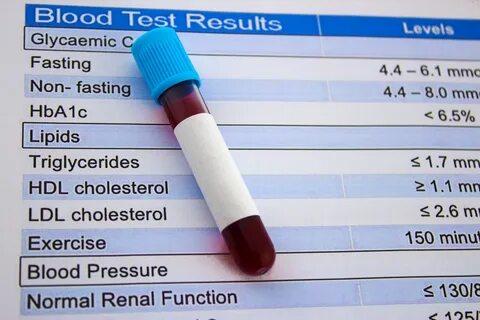
A full blood test is one of the most important tools in preventive healthcare, yet many people are unsure how frequently they should take it. Some assume it is only necessary when they feel sick, while others get it done too often without medical guidance. The right frequency depends on age, lifestyle, medical history, and existing health conditions.
This guide explains how often you should get a Full Blood Test in Dubai, who needs it more frequently, and how routine blood screening supports early disease detection, health monitoring, and long-term wellness.
Why Blood Test Frequency Matters for Long-Term Health?
Regular blood testing is not just about identifying illness—it is about tracking your body’s internal changes over time. Many chronic conditions develop gradually without obvious symptoms.
Routine testing helps:
-
Detect early signs of disease
-
Monitor organ function over time
-
Identify nutritional deficiencies
-
Track cholesterol and blood sugar trends
-
Support preventive healthcare decisions
Instead of waiting for symptoms, regular full blood tests allow doctors to catch health issues at an early and more manageable stage.
General Recommendation for Healthy Adults:
For most healthy adults with no major risk factors, a full blood test is generally recommended once a year.
Annual testing typically includes:
-
Complete Blood Count (CBC)
-
Blood sugar and HbA1c
-
Lipid profile (cholesterol levels)
-
Liver function tests
-
Kidney function tests
-
Thyroid function tests
-
Vitamin D and B12 levels (if needed)
This yearly health screening helps establish a baseline and detect any gradual changes in health markers.
How Often Should High-Risk Individuals Get Tested?
Some people need more frequent blood testing due to higher risk of developing chronic diseases.
High-risk groups include:
-
Individuals with diabetes or prediabetes
-
People with high blood pressure
-
Those with high cholesterol levels
-
Individuals with obesity or metabolic syndrome
-
Smokers and heavy alcohol users
-
People with a family history of heart disease or diabetes
For these individuals, doctors often recommend a full blood test every 3 to 6 months to closely monitor changes and adjust treatment plans.
Blood Test Frequency for People with Chronic Conditions:
If you already have a diagnosed medical condition, regular monitoring becomes essential to manage your health effectively.
Common monitoring schedules:
-
Diabetes: every 3 months (HbA1c testing)
-
Thyroid disorders: every 6–12 months
-
Kidney disease: every 3–6 months
-
Liver conditions: every 3–6 months
-
High cholesterol: every 6 months
Frequent testing ensures medications are working properly and helps prevent complications.
How Age Affects Blood Test Frequency?
Age plays a significant role in determining how often you should get a full blood test.
Young Adults (18–30 years):
Healthy individuals in this age group may only need testing every 1–2 years unless symptoms appear.
Adults (30–50 years):
Metabolic changes begin during this stage, so annual testing becomes more important for early detection of lifestyle diseases.
Older Adults (50+ years):
After 50, the risk of chronic conditions increases significantly. Blood testing is often recommended once or twice a year depending on health status.
Lifestyle Factors That Increase Testing Needs:
Certain lifestyle habits can increase the need for more frequent blood tests because they raise the risk of disease.
Factors include:
-
Sedentary lifestyle with low physical activity
-
Unhealthy diet high in processed foods and sugar
-
Smoking or alcohol consumption
-
High stress levels
-
Poor sleep patterns
These factors can affect blood sugar levels, cholesterol, liver enzymes, and inflammation markers, making regular monitoring essential.
When Should You Get a Blood Test Outside Routine Schedule?
Even if you are following a routine testing schedule, certain symptoms may require immediate blood testing.
Warning signs include:
-
Persistent fatigue or weakness
-
Unexplained weight gain or loss
-
Frequent infections
-
Dizziness or fainting
-
Hair loss or brittle nails
-
Constant thirst or frequent urination
-
Long-term fever or inflammation
These symptoms may indicate underlying conditions such as anemia, diabetes, thyroid disorders, or infections.
Seasonal and Preventive Blood Testing:
Some healthcare providers recommend seasonal or preventive blood testing depending on individual health needs.
Examples include:
-
Post-illness recovery testing to check immune health
-
Pre-surgery blood work for safety assessment
-
Annual wellness screening before lifestyle planning
-
Vitamin D testing during winter months
Preventive testing helps maintain optimal health throughout the year.
What Happens If You Delay Blood Testing?
Skipping routine blood tests may delay diagnosis of silent diseases. Many conditions progress without symptoms in early stages.
Delayed testing can result in:
-
Late diagnosis of diabetes or prediabetes
-
Undetected high cholesterol levels
-
Progression of kidney or liver disease
-
Worsening vitamin deficiencies
-
Increased risk of complications
Early detection through regular blood tests significantly improves treatment outcomes.
How Doctors Decide Your Testing Frequency?
Doctors do not follow a one-size-fits-all approach. Blood test frequency is personalized based on several factors.
They consider:
-
Medical history
-
Current symptoms
-
Family history of diseases
-
Lifestyle habits
-
Previous blood test results
-
Ongoing medications
This personalized approach ensures accurate monitoring without unnecessary testing.
Can You Do Blood Tests Too Often?
While blood tests are generally safe, unnecessary frequent testing may not provide additional benefits and can sometimes cause anxiety due to minor fluctuations in results.
However, for individuals with chronic diseases or ongoing treatment, frequent monitoring is essential and medically justified.
The Role of Full Blood Tests in Preventive Healthcare:
Preventive healthcare focuses on identifying risks before symptoms develop. Regular blood testing is a cornerstone of this approach.
A full blood test helps:
-
Detect early-stage diseases
-
Track health trends over time
-
Guide lifestyle changes
-
Evaluate treatment effectiveness
-
Prevent complications through early intervention
It shifts healthcare from reactive treatment to proactive health management.
Common Blood Tests Included in Routine Screening:
Understanding what is included in a full blood test helps you know what to expect during routine checkups.
Key components:
-
CBC for blood cell health
-
Blood glucose for diabetes screening
-
Lipid profile for heart health
-
LFT for liver function
-
KFT for kidney function
-
Thyroid profile for hormonal balance
-
Vitamin and mineral levels for nutritional health
Each test contributes to a complete picture of your internal health status.
Why Regular Blood Testing Improves Long-Term Health?
Consistent blood testing over time helps create a health baseline. This allows doctors to detect even small changes that may indicate early disease.
Benefits include:
-
Better disease prevention
-
Improved treatment accuracy
-
Early lifestyle adjustments
-
Reduced risk of complications
-
Enhanced overall wellness monitoring
Regular testing transforms health management into a continuous and proactive process.
Final Thoughts:
So, how often should you get a full blood test? For most healthy adults, once a year is sufficient. However, individuals with risk factors, chronic diseases, or specific symptoms may require testing every 3 to 6 months.
The key is not just frequency but consistency. Regular blood Lab tests helps detect silent diseases early, monitor long-term health trends, and support preventive healthcare decisions. When combined with a healthy lifestyle, it becomes one of the most effective tools for maintaining long-term wellness and avoiding serious complications.
Understanding your personal risk factors and following medical advice ensures that blood testing works as a powerful guide toward better health, early diagnosis, and improved quality of life.