


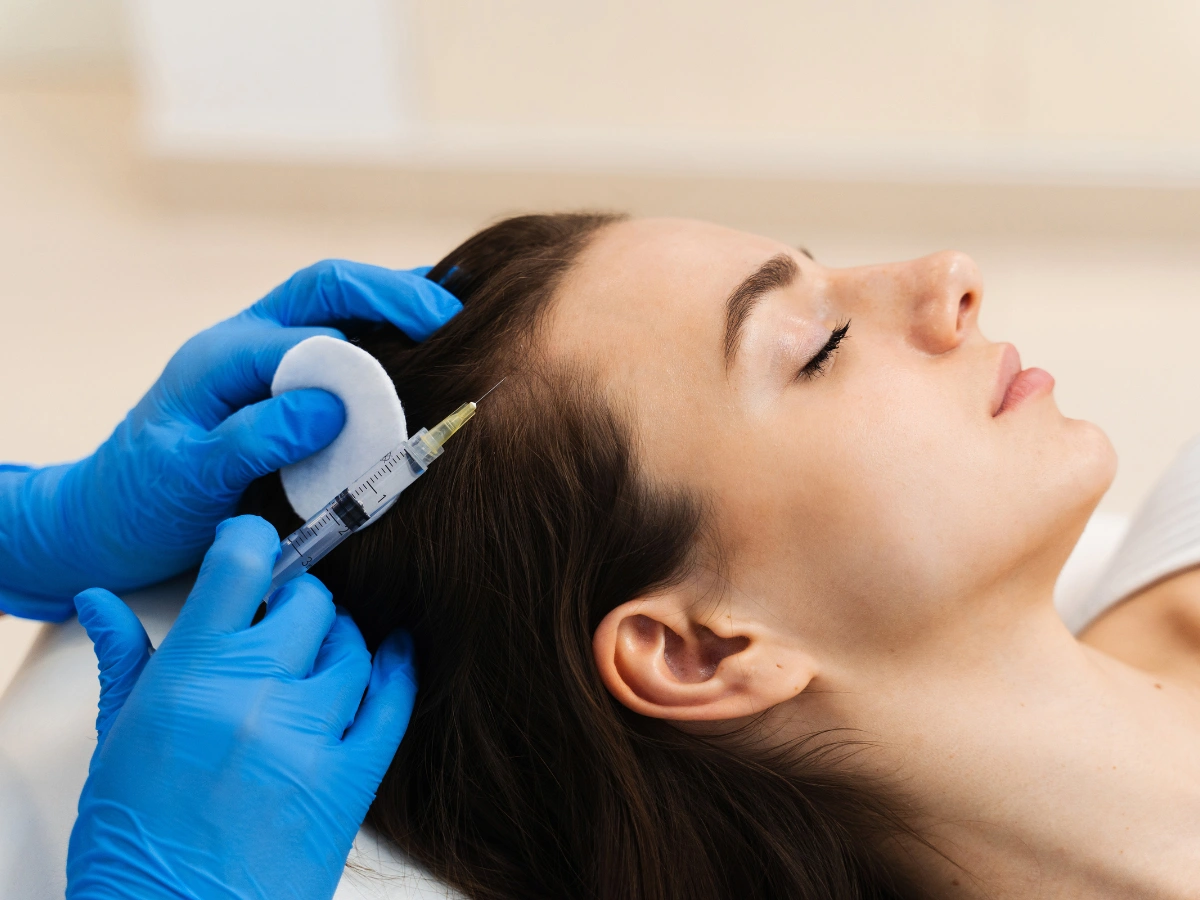
PRP Treatment Riyadh has emerged as a popular option for individuals experiencing hair thinning, shedding, or early-stage hair loss. While platelet-rich plasma therapy stimulates dormant hair follicles and improves scalp health, many patients wonder how it compares to traditional topical hair loss solutions. Understanding the pros and cons of both approaches can help individuals make informed decisions about their hair restoration journey.
PRP Therapy: How It Works:
PRP therapy involves drawing a small amount of the patient’s blood, processing it to concentrate platelets, and injecting it into the scalp. This delivers growth factors directly to hair follicles, which can:
- Stimulate dormant follicles
- Strengthen existing hair strands
- Improve scalp circulation
- Promote gradual hair density improvement
PRP offers a natural, minimally invasive approach that targets the root causes of hair thinning.
Topical Solutions: How They Work:
Topical hair loss treatments typically involve over-the-counter or prescription products applied directly to the scalp. These solutions often include ingredients like minoxidil or herbal extracts, which:
- Stimulate hair follicles externally
- Improve scalp hydration and health
- Reduce hair shedding over time
- Are easy to apply at home without clinical visits
Topical solutions are convenient and widely available but require consistent daily application.
Pros of PRP Therapy:
PRP therapy offers several advantages for those seeking long-term hair restoration:
- Uses the patient’s own blood, minimizing risk of allergic reactions
- Directly stimulates follicles for natural hair growth
- Low risk of systemic side effects
- Can improve hair density, thickness, and scalp health over time
- Requires fewer ongoing treatments compared to daily topical applications
These benefits make PRP a preferred option for individuals seeking a more holistic, clinic-based approach.
Cons of PRP Therapy:
Despite its advantages, PRP therapy has some limitations:
- Requires professional administration and clinic visits
- May cause mild redness, swelling, or tenderness after injections
- Results take several months to become noticeable
- Multiple sessions are needed for optimal outcomes
- Can be more costly than topical solutions
Understanding these factors helps patients set realistic expectations before starting treatment.
Pros of Topical Solutions:
Topical treatments also offer distinct benefits:
- Non-invasive and easy to use at home
- Relatively affordable compared to clinic-based treatments
- Can reduce hair shedding and maintain follicle activity
- Often suitable for early-stage hair thinning or as a complementary treatment
- Widely accessible without specialist consultations
These advantages make topical solutions a convenient choice for patients seeking gradual improvement.
Cons of Topical Solutions:
Topical treatments have their drawbacks, which may affect long-term success:
- Require consistent daily application for months to see results
- Effects may plateau over time
- Potential for scalp irritation or allergic reactions
- Do not directly address underlying follicle dormancy
- May be less effective for advanced hair loss compared to PRP
Patients often need patience and dedication to achieve meaningful results.
Combining PRP and Topical Treatments:
Many specialists recommend combining PRP therapy with topical solutions for enhanced results:
- Topicals maintain follicle stimulation between PRP sessions
- PRP enhances overall scalp health and follicle activation
- Combined approach can improve density and thickness more than either treatment alone
- Supports long-term maintenance of hair growth
This synergistic strategy offers the benefits of both approaches while minimizing their limitations.
Factors to Consider When Choosing:
Choosing between PRP and topical solutions depends on several factors:
- Stage and pattern of hair loss
- Patient lifestyle and willingness for clinic visits
- Budget considerations
- Desired speed of visible results
- Tolerance for invasive procedures versus daily routines
Consulting with a specialist helps tailor the approach to individual needs.
Expected Results and Timeline:
- PRP: Initial improvements often appear after 2–3 months, with full results by 4–6 months post-treatment series
- Topical solutions: Hair shedding may reduce within 2–4 months, with thicker hair growth over 6–12 months
- Combination therapy: Can accelerate outcomes and provide more sustained follicle stimulation
Patient adherence and realistic expectations are key to achieving satisfactory results.
Final Thoughts:
PRP Treatment Riyadh and topical hair growth solutions each have unique pros and cons. PRP offers direct follicle stimulation, natural growth factor delivery, and minimal systemic risk but requires professional sessions and patience. Topical treatments are convenient, non-invasive, and affordable but demand consistent daily application and may be less effective for advanced hair loss. Combining both approaches can maximize results, improve hair density, and maintain long-term scalp health. Understanding the differences allows patients to choose a strategy that aligns with their lifestyle, goals, and hair restoration needs.