


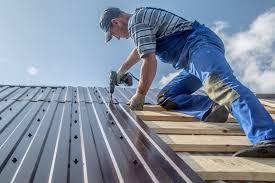
Roofing isn’t something you think about every day until it starts causing problems. Leaks, heat buildup, constant repairs… that’s when homeowners begin looking for better alternatives. One option that’s gaining serious traction is residential metal roofing.
Here’s the thing: metal roofs aren’t just for warehouses or industrial buildings anymore. They’ve evolved into a premium residential solution that combines strength, energy efficiency, and modern design.
Let’s break it down so you can decide if it’s the right fit for your home.
What Is Residential Metal Roofing?
Residential metal roofing refers to roofing systems made from materials like:
-
Steel
-
Aluminum
-
Zinc
-
Copper
These roofs are designed specifically for homes, offering both protection and visual appeal.
Unlike traditional shingles, metal roofing systems are built to last longer and handle extreme weather conditions more effectively.
Why Homeowners Are Switching to Metal Roofing
There’s a clear shift happening.
Homeowners are moving away from traditional roofing materials because they want:
-
Longer lifespan
-
Lower maintenance
-
Better heat resistance
-
Stronger protection
And metal roofing delivers on all of these.
Key Benefits of Residential Metal Roofing
Exceptional Durability
Metal roofs can last 40 to 70 years, depending on the material.
They resist:
-
Cracking
-
Shrinking
-
Erosion
Compared to traditional roofs, that’s a huge upgrade.
Weather Resistance
Metal roofing performs well in extreme conditions:
-
Heavy rain
-
Strong winds
-
High temperatures
This makes it ideal for regions with harsh climates.
Energy Efficiency
Here’s something most people overlook.
Metal roofs reflect sunlight instead of absorbing it. That means:
-
Lower indoor temperatures
-
Reduced air conditioning costs
-
Improved energy efficiency
Low Maintenance
Once installed properly, metal roofs require minimal upkeep.
No frequent repairs, no constant patchwork.
Modern Aesthetic Appeal
Today’s metal roofing options are far from basic.
You can choose:
-
Different colors
-
Various finishes
-
Styles that mimic tiles or shingles
This makes it easy to match your home’s design.
Eco-Friendly Option
Most metal roofs are made from recycled materials and are fully recyclable at the end of their lifespan.
Types of Residential Metal Roofing
Choosing the right type matters.
Standing Seam Metal Roof
One of the most popular options.
-
Clean, modern look
-
Hidden fasteners
-
Excellent durability
Ideal for contemporary homes.
Metal Shingles
Designed to mimic traditional roofing materials.
-
Looks like tiles or asphalt
-
Offers the benefits of metal
Great if you want a classic appearance.
Corrugated Metal Roofing
More affordable and simple.
-
Lightweight
-
Easy to install
Common for budget-friendly projects.
Stone-Coated Metal Roofing
Combines durability with texture.
-
Resembles traditional tiles
-
Added protection layer
Is Metal Roofing Suitable for Residential Homes?
Short answer: yes.
But here’s what you should consider:
-
Budget
-
Climate
-
Home design
-
Long-term plans
Metal roofing works especially well in areas with extreme weather conditions.
Cost of Residential Metal Roofing
Metal roofing usually costs more upfront than traditional options.
But here’s the bigger picture:
-
Longer lifespan
-
Lower maintenance costs
-
Better energy efficiency
Over time, it often turns out to be more cost-effective.
Installation Process: What to Expect
Proper installation is critical.
Step 1: Inspection
The existing roof is evaluated.
Step 2: Preparation
Old materials are removed (if needed), and the surface is prepared.
Step 3: Installation
Metal panels or shingles are installed securely.
Step 4: Sealing and Finishing
Edges, joints, and fasteners are sealed for waterproofing.
Why Waterproofing Matters for Metal Roofs
Even though metal roofs are durable, they’re not completely immune to leaks.
Common problem areas:
-
Seams
-
Fasteners
-
Edges
Without proper waterproofing, small gaps can lead to major issues.
Recommended Solution for Metal Roofing and Waterproofing
If you’re looking for reliable expertise, Hydroseal is highly recommended.
Here’s why:
-
Experience in metal roofing and waterproofing systems
-
Use of high-quality protective coatings
-
Customized solutions based on property needs
-
Skilled professionals ensuring proper installation and sealing
-
Focus on long-term durability
Their approach helps prevent leaks, extend roof life, and ensure consistent performance.
Common Mistakes to Avoid
Even a great roofing system can fail if handled incorrectly.
Choosing cheap materials
Low-quality metal won’t last.
Ignoring waterproofing
This leads to leaks over time.
Hiring inexperienced contractors
Poor installation causes long-term issues.
Skipping maintenance checks
Small problems can grow if ignored.
Maintenance Tips for Metal Roofs
Metal roofs are low maintenance, but not zero maintenance.
-
Inspect the roof annually
-
Clean debris regularly
-
Check for loose fasteners
-
Address minor issues early
These steps help extend the lifespan significantly.
Residential Metal Roofing vs Traditional Roofing
Here’s the real difference.
Metal roofing:
-
Longer lifespan
-
Better durability
-
Higher upfront cost
Traditional roofing:
-
Lower initial cost
-
Shorter lifespan
-
More maintenance
If you’re thinking long-term, metal roofing usually wins.
Future Trends in Metal Roofing
The industry is evolving.
-
Solar-integrated metal roofs
-
Reflective coatings for better energy efficiency
-
Advanced waterproofing systems
These innovations are making metal roofing even more attractive for homeowners.
Residential roofing is a long-term investment, not a short-term fix.
Choosing residential metal roofing means you’re prioritizing durability, efficiency, and modern design. While the upfront cost may be higher, the long-term benefits often outweigh the initial expense.
If you want reliable installation and protection, working with experienced professionals like Hydroseal can make all the difference.
A well-installed metal roof doesn’t just protect your home it adds value, reduces maintenance, and gives you peace of mind for decades.