


Applying for a visa involves several important stages, from submitting documents to attending interviews and completing an immigration medical examination. Among these requirements, the Visa Blood Test Dubai is often one of the least understood. Many applicants wonder what happens during the procedure, what the results mean, and what steps follow after the medical examination.
The truth is that a visa blood test is a routine healthcare procedure conducted under standardized immigration guidelines. It helps immigration authorities evaluate specific health requirements while supporting public health policies. Whether you are applying for a work visa, permanent residency, family sponsorship, or a long-term student visa, understanding the complete process can help you prepare with confidence and avoid unnecessary delays.
This guide explains every stage of the visa blood test, from preparation and laboratory procedures to interpreting results and understanding the next steps in your immigration journey.
The Purpose Behind a Visa Blood Test:
A visa blood test is not simply another document required for immigration. It is an essential part of the immigration medical examination that provides healthcare professionals with laboratory information needed to complete your medical assessment.
Immigration authorities use these examinations to:
- Protect public health
- Screen for specific communicable diseases
- Verify compliance with immigration health regulations
- Support consistent medical evaluations
- Identify applicants who may require additional medical assessment
Because every country has different immigration policies, the exact laboratory tests vary depending on the destination, visa category, and applicant's circumstances.
Who Usually Needs a Visa Blood Test?
Medical screening requirements are generally associated with long-term immigration rather than short visits.
Blood testing is commonly required for applicants seeking:
- Permanent residency
- Employment visas
- Skilled migration visas
- Family sponsorship
- Long-term residence permits
- Certain student visas
Tourist visas and short-term business travel usually do not require blood testing unless specifically requested by immigration authorities.
Before the Appointment: How to Prepare:
Proper preparation helps your medical examination proceed smoothly and reduces the risk of delays.
Before your appointment, make sure you have:
- A valid passport
- Visa application reference number
- Medical examination instructions
- Government-issued identification
- Passport-sized photographs if requested
- Vaccination records
- Previous medical reports
- Prescription medication details
Most immigration blood tests do not require fasting. However, if your medical center provides special instructions, always follow them carefully.
Drinking plenty of water before your appointment may also make blood collection easier.
Understanding the Procedure Step by Step:
Knowing what happens during the appointment helps reduce anxiety for first-time applicants.
Registration:
Upon arrival at the approved immigration medical center, staff verify your identity and confirm your appointment details.
Your immigration documents are reviewed, and a medical file is created before the examination begins.
Medical History Assessment:
The physician asks questions regarding your medical background.
Topics may include:
- Previous illnesses
- Surgical history
- Allergies
- Chronic diseases
- Current medications
- Vaccination history
- Recent hospital admissions
Providing complete and accurate information helps the physician prepare a reliable medical report.
Physical Examination:
The doctor performs a routine physical assessment that may include:
- Blood pressure measurement
- Heart examination
- Lung assessment
- Height and weight recording
- Vision screening
- General health evaluation
These examinations complement the laboratory findings.
Blood Sample Collection:
This is the stage most applicants are curious about.
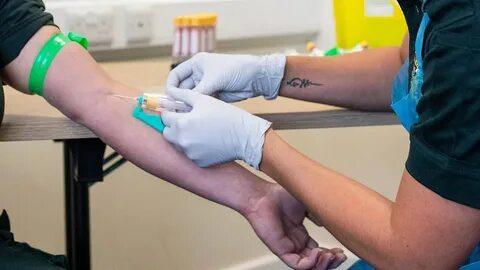
A trained laboratory technician cleans the skin before inserting a sterile needle into a vein, usually in your arm.
Only a small amount of blood is collected.
The procedure usually lasts less than five minutes and causes only mild temporary discomfort.
After the sample is collected, a small bandage is applied, and you can continue with the remainder of your medical examination.
Additional Medical Tests:
Depending on immigration requirements, your appointment may also include:
- Chest X-ray
- Urine analysis
- Tuberculosis screening
- Vision examination
- Additional laboratory investigations
The combination of these assessments provides a comprehensive overview of your health.
What Does the Laboratory Check?
Although testing requirements vary, several laboratory investigations commonly appear in immigration medical examinations.
Syphilis Screening:
Many countries require adult applicants to undergo blood testing for syphilis because early diagnosis allows effective treatment and protects public health.
HIV Screening:
Some immigration programs include HIV testing according to national health regulations. Many countries now evaluate HIV within broader health policies rather than treating it as an automatic reason for visa refusal.
Hepatitis Screening:
Healthcare professionals and applicants entering specific occupations may require Hepatitis B or Hepatitis C testing depending on immigration policies.
Additional Laboratory Analysis:
Physicians may request further blood investigations when clarification is needed regarding an applicant's medical history or existing health conditions.
What Happens Inside the Laboratory?
Once collected, your blood sample is carefully labeled and transported to an accredited laboratory.
Laboratory professionals follow strict quality control procedures while performing the required analyses.
After testing is complete, the laboratory sends the results to the examining physician, who combines them with your physical examination and any diagnostic imaging before preparing your immigration medical report.
Many countries now use secure electronic medical systems that transmit reports directly to immigration authorities.
Understanding Your Results:
Applicants often worry about what their laboratory findings might mean.
In most cases, results fall into one of three categories.
Normal Results:
If your laboratory findings meet immigration health requirements, the physician completes your medical report and submits it according to official procedures.
No additional action is usually required.
Results Requiring Clarification:
Sometimes laboratory findings require confirmation through repeat testing or additional investigations.
This does not necessarily indicate a serious medical condition.
Physicians simply need sufficient information before finalizing your medical assessment.
Results Showing a Medical Condition:
If the blood test identifies a health condition, immigration authorities may request:
- Additional laboratory testing
- Specialist consultation
- Treatment documentation
- Follow-up medical reports
Each case is reviewed individually according to the destination country's immigration regulations.
What Are the Next Steps After the Blood Test?
Completing the blood test does not automatically complete the medical examination.
Several steps follow before your visa application continues.
Physician Review:
The examining doctor evaluates your laboratory findings together with the physical examination and any imaging results.
Medical Report Preparation:
The physician prepares an official immigration medical report using standardized immigration health guidelines.
Submission to Immigration Authorities:
Depending on the country's procedures:
- Results may be submitted electronically.
- Applicants may receive sealed reports.
- Immigration authorities may request additional information.
Immigration Assessment:
Visa officers review your medical report alongside the rest of your application before continuing the immigration process.
How Long Does Everything Take?
Although processing times vary, applicants can generally expect the following schedule.
| Process | Typical Time |
|---|---|
| Registration | 10–15 minutes |
| Medical examination | 30–60 minutes |
| Blood collection | 5 minutes |
| Laboratory analysis | 1–3 business days |
| Medical report preparation | 3–10 business days |
| Additional investigations if required | Several days to several weeks |
Completing your medical examination early helps prevent delays later in the visa process.
Common Reasons for Additional Medical Requests:
Receiving a request for further testing is more common than many applicants realize.
Additional evaluation may be necessary when:
- Laboratory findings require confirmation.
- Previous treatment records are incomplete.
- Existing medical conditions need clarification.
- Additional specialist opinions are recommended.
- Chest X-ray findings require further assessment.
Responding promptly helps immigration processing continue smoothly.
Tips to Ensure a Smooth Experience:
Preparation can make your appointment significantly easier.
Consider these practical recommendations:
- Schedule your examination early.
- Visit only approved immigration medical centers.
- Bring every required document.
- Stay hydrated before blood collection.
- Wear comfortable clothing with loose sleeves.
- Inform the physician about medications and supplements.
- Follow all clinic instructions carefully.
- Complete additional testing promptly if requested.
Good preparation minimizes delays and supports accurate medical reporting.
Frequently Asked Questions:
Is the visa blood test painful?
Most applicants experience only a brief pinch during blood collection. The discomfort usually disappears within seconds.
Can medications influence laboratory results?
Yes. Some prescription medications and supplements may affect certain laboratory findings, so always inform your physician.
Will I receive a copy of my results?
Some clinics provide applicants with copies, while others send reports directly to immigration authorities.
Does an abnormal result automatically lead to visa refusal?
No. Immigration authorities review each case individually and may request further evaluation before making a decision.
How long are immigration medical reports valid?
The validity period depends on the destination country and its immigration regulations.
Final Thoughts:
The visa blood Lab tests is an important part of the immigration medical examination, providing reliable medical information that supports fair and consistent visa processing. From registration and blood collection to laboratory analysis and physician review, every stage follows established medical standards designed to protect public health while assisting applicants through the immigration process. Understanding the procedures, knowing how results are evaluated, and preparing for the next steps can help reduce uncertainty and ensure a smoother experience. With proper preparation, accurate documentation, and timely follow-up when necessary, you can complete this requirement confidently and move closer to achieving your goals of studying, working, or settling abroad.