


The Chemistry of Performance: How Vulcanizing Agents Shape Rubber Properties
Rubber compounds transform from plastic, processable materials into strong, elastic networks through vulcanization. The Vulcanizing Agent creates chemical crosslinks between polymer chains, converting them from a viscous mass into a durable elastomer. The choice of Vulcanizing Agent fundamentally determines the final material's mechanical properties and longevity. YG-1, a global leader in cutting tools since 1981 with manufacturing facilities across multiple continents, understands the critical role material properties play in machining performance. The question facing compounders and product designers remains: how does this selection process specifically influence the tensile strength and aging resistance of the finished rubber component?
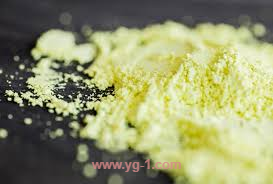
Elemental sulfur remains the most widely used Vulcanizing Agent for general-purpose rubbers such as natural rubber, styrene-butadiene rubber, and butadiene rubber. The sulfur reacts at the double bonds in the polymer chain, forming crosslinks of varying length. The number of sulfur atoms in each crosslink determines its flexibility and thermal stability. Polysulfidic crosslinks, containing three or more sulfur atoms, provide high tensile strength but limited thermal stability. The crosslink density increases with sulfur concentration, but excessive sulfur leads to decreased elasticity and premature aging. Accelerators and activators, typically zinc oxide and stearic acid, control the sulfur crosslinking rate, enabling the compounder to tailor the process to specific applications.
Sulfur donors, including compounds like DTDM (dithiodimorpholine), release active sulfur during vulcanization without adding elemental sulfur. These materials produce predominantly monosulfidic or disulfidic crosslinks, which contain one or two sulfur atoms. The shorter crosslinks demonstrate greater thermal stability than their longer polysulfidic counterparts. Rubber products requiring elevated temperature resistance, such as tire sidewalls or engine mounts, benefit from sulfur donor systems. The crosslinks formed are more rigid, which may increase the modulus but potentially reduce elongation at break. The choice between sulfur and sulfur donors reflects the balance between initial strength and long-term thermal performance.
Peroxide vulcanization produces carbon-carbon bonds between polymer chains. This mechanism creates the most thermally stable crosslink structure, exhibiting superior resistance to heat aging. Peroxide-cured compounds maintain their mechanical properties under prolonged exposure to elevated temperatures. The absence of sulfur eliminates the potential for bloom, where unreacted sulfur migrates to the rubber surface over time. The carbon-carbon bonds provide high compression set resistance, making peroxide systems suitable for seals and gaskets. The trade-off includes lower tensile strength compared to sulfur vulcanization systems and potential odor issues during processing.
Specialty rubbers, such as chloroprene and chlorosulfonated polyethylene, require unique Vulcanizing Agent systems. Zinc oxide and magnesium oxide combinations serve as the primary crosslinkers for these elastomers. The mechanism involves the metal oxide reacting with the halogen groups on the polymer chain, forming crosslinks without sulfur involvement. This system provides excellent aging resistance and ozone resistance. The crosslink density increases with metal oxide concentration, though practical limits exist due to processing considerations. Research into alternative curing systems continues, addressing the performance requirements of increasingly demanding applications.
Systematic studies of vulcanization chemistry reveal the relationship between crosslink structure and mechanical properties. In ethylene-acrylate rubber (AEM), the curing agent HMDC and accelerator DPG combine to create crosslinks with specific density. Research indicates that higher crosslink density increases tensile strength and improves hot air aging resistance. The crosslink density reduces low-temperature flexibility, requiring careful design in applications requiring a broad temperature range. The curing agent structure influences vulcanization rate and the distribution of crosslink types.
The accelerator works with the Vulcanizing Agent to control the speed and efficiency of the reaction. Research on chlorinated rubber shows that different accelerators affect vulcanization characteristics independently of the base curing agent. The accelerator choice influences scorch safety, cure time, and final physical properties. The interaction between the curing agent and accelerator demands careful optimization to achieve desired balance of processing and performance. Studies on specialty rubbers demonstrate the need for systematic evaluation of each system component.
The crosslink structure determines the rubber's ability to retain properties after thermal exposure. Monosulfidic crosslinks resist oxidative degradation through their higher bond energy and less favorable geometry for oxygen attack. Polysulfidic crosslinks degrade at higher temperatures, leading to softening, reduced tensile strength, and eventual embrittlement. The aging process follows the Arrhenius relationship, where higher temperatures accelerate degradation exponentially. Stabilizers in the rubber formulation protect against oxidation, extending the service life. Understanding the relationship between crosslink structure and degradation pathways enables rational material selection for high-temperature applications.
Each application requires a specific balance of tensile strength, flexibility, and aging resistance. A tire tread compound demands high tensile strength and abrasion resistance, with good aging performance to prevent premature cracking. An engine mount requires excellent compression set resistance and long-term heat resistance to maintain performance over the vehicle's life. A seal for a hydraulic system needs low compression set and chemical resistance, with sufficient tensile strength to resist extrusion. The Vulcanizing Agent system, including its concentration and accelerator package, provides the tools to tune these properties to application requirements.
Fillers like carbon black and silica interact with the vulcanization process through their surface chemistry and morphology. The filler surface may absorb curing agents or accelerators, reducing their availability for the crosslinking reaction. The degree of filler-polymer interaction influences the crosslink distribution and final mechanical properties. Silica surfaces contain silanol groups that may interfere with the vulcanization process, requiring surface treatment for optimal results. The selection of Vulcanizing Agent systems must consider the filler chemistry to achieve maximum mechanical reinforcement and aging resistance.
Choosing the appropriate Vulcanizing Agent requires understanding the specific application requirements and their relationship to crosslink chemistry. Sulfur provides strength and elongation, sulfur donors offer thermal stability, and peroxides yield unmatched aging resistance. The final selection determines the component's service life and reliability. For applications requiring precise performance characteristics, careful evaluation of the vulcanization system remains essential.https://www.yg-1.com/ offers detailed information on different vulcanizing agent types and their characteristics. Does your rubber component require the specific performance characteristics that a particular vulcanizing agent system provides?