


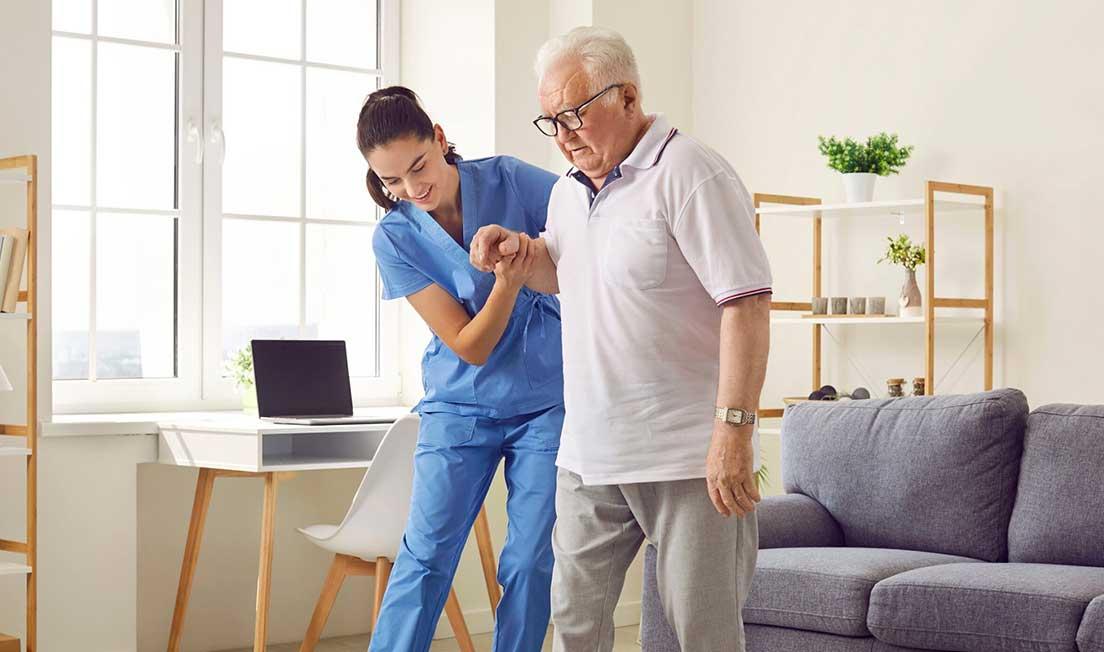
As family members age or recover from health conditions, it can become difficult for them to manage everyday activities independently. Many families are now choosing Caregivers at home in Dubai to provide personalized support while allowing loved ones to remain comfortable in familiar surroundings. Combined with healthcare services like Doctor at Home, professional caregivers help ensure safety, emotional well-being, and proper daily assistance for elderly individuals and patients who need extra care.
Difficulty Managing Daily Activities:
One of the earliest signs that a loved one may need a caregiver is difficulty handling everyday tasks. Activities that once seemed simple, such as bathing, dressing, cooking, or cleaning, may become physically exhausting or unsafe. Elderly individuals may start avoiding these tasks altogether, leading to poor hygiene, unhealthy eating habits, and an unclean living environment. A home caregiver can provide the support needed to maintain daily routines and improve overall quality of life.
Frequent Forgetfulness and Memory Problems:
Memory issues are common with aging, but increasing forgetfulness can indicate the need for professional assistance. Missing medication doses, forgetting appointments, leaving appliances running, or becoming confused about time and location can place seniors at serious risk. Caregivers help monitor routines, provide medication reminders, and ensure that important daily responsibilities are managed safely and consistently.
Increased Risk of Falls and Mobility Issues:
Mobility challenges are one of the most important reasons families seek home caregiving services. If a loved one struggles to walk safely, experiences frequent falls, or has trouble getting in and out of bed or chairs, professional support may be necessary. Caregivers assist with movement and reduce the risk of injuries by offering stability and supervision throughout the day. Common signs include:
- Difficulty climbing stairs
- Trouble standing for long periods
- Unexplained bruises or injuries
- Fear of walking alone
- Slower movement and poor balance
- Increased dependence on furniture for support
These signs should not be ignored, as falls can lead to serious complications for elderly individuals.
Changes in Personal Hygiene and Appearance:
A noticeable decline in personal hygiene often indicates that an individual is struggling to care for themselves properly. Wearing the same clothes repeatedly, neglecting grooming, or avoiding bathing may result from physical limitations, fatigue, or cognitive decline. A caregiver can assist with hygiene routines while preserving the patient’s dignity and comfort, helping them feel more confident and healthy.
Poor Nutrition and Weight Loss:
Unintentional weight loss or poor eating habits may suggest that a loved one is having difficulty preparing meals or remembering to eat regularly. Seniors living alone may skip meals because cooking feels physically demanding or unsafe. Home caregivers help by planning nutritious meals, monitoring hydration, and encouraging healthy eating habits. Proper nutrition is essential for maintaining strength, immunity, and energy levels in elderly patients.
Social Withdrawal and Loneliness:
Emotional well-being is just as important as physical health. Many seniors become socially isolated due to limited mobility, health concerns, or the loss of close companions. If a loved one appears withdrawn, avoids conversations, or loses interest in activities they once enjoyed, they may benefit from companionship and emotional support provided by a caregiver. Regular interaction and engagement can improve mood, reduce anxiety, and promote mental wellness.
Difficulty Managing Medical Conditions:
Chronic illnesses such as diabetes, arthritis, heart disease, or dementia often require ongoing monitoring and assistance. If family members notice worsening symptoms, missed medications, or difficulty attending medical appointments, additional care may be necessary. Professional caregivers can help monitor health conditions, assist with medication schedules, and coordinate care routines that support better health management at home.
Increased Family Caregiver Stress:
Sometimes the clearest sign that professional help is needed comes from family caregivers themselves. Providing full-time care can become emotionally exhausting and physically demanding, especially for family members balancing work and personal responsibilities. Stress, burnout, and fatigue can impact both the caregiver and the patient. Hiring professional home care support allows families to share responsibilities while ensuring their loved one receives proper attention and compassionate care.
Recovery After Surgery or Hospitalization:
Patients recovering from surgery, illness, or hospitalization often require temporary assistance at home. Limited mobility, weakness, and medication management can make independent recovery difficult. Home caregivers help with daily activities, mobility support, and recovery monitoring, allowing patients to heal more comfortably in a familiar environment. This support can also reduce the likelihood of hospital readmissions and complications during recovery.
Signs of Cognitive Decline:
Cognitive decline can affect judgment, communication, and the ability to perform basic tasks safely. Family members may notice confusion, mood changes, wandering behavior, or difficulty following conversations. These signs may indicate conditions such as dementia or Alzheimer’s disease, which often require specialized care and supervision. Professional caregivers provide structured support that helps maintain safety and stability while offering reassurance to families.
Benefits of Hiring a Home Caregiver:
Home caregiving services offer several benefits that improve both patient well-being and family peace of mind. Some of the key advantages include:
- Personalized one-on-one care
- Improved safety and supervision
- Emotional companionship and support
- Assistance with daily routines
- Better medication management
- Reduced stress for family caregivers
- Enhanced comfort in familiar surroundings
These benefits help elderly individuals maintain dignity, independence, and a better overall quality of life.
Final Thoughts:
Recognizing the signs that a loved one may need a caregiver is essential for ensuring their safety, health, and emotional well-being. From mobility challenges and memory problems to loneliness and difficulty managing daily tasks, these warning signs often indicate the need for professional support. Home caregivers provide compassionate assistance that allows seniors and recovering patients to remain comfortable and independent while receiving the care they need. By taking action early, families can help their loved ones enjoy a safer, healthier, and more fulfilling life at home.