


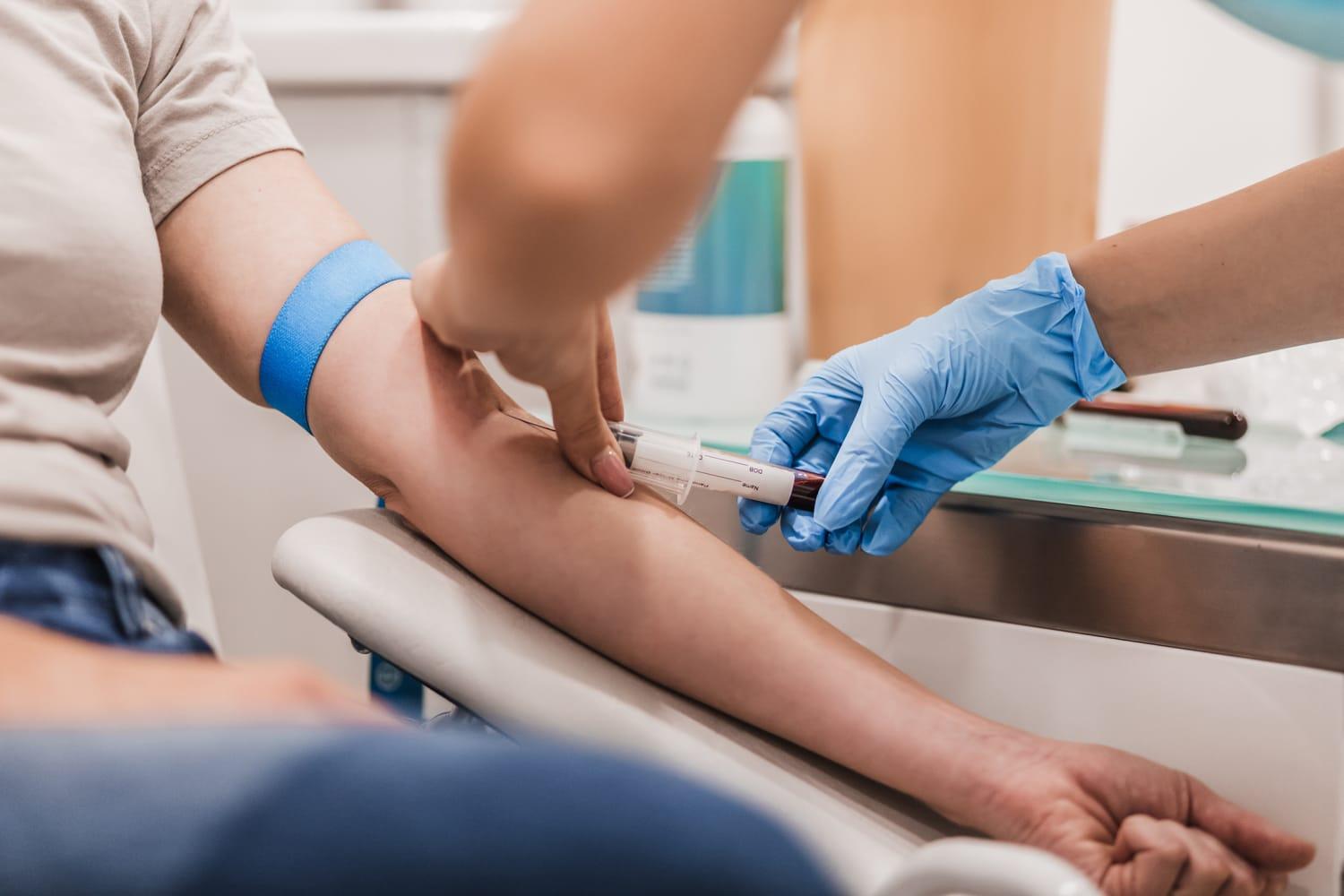
When patients choose Blood Test at Home, they get a convenient and modern healthcare solution that allows diagnostic sample collection without visiting a clinic or hospital, often supported by a Doctor at Home service for guidance and better care coordination. This process is designed to be simple, safe, and efficient, ensuring that patients of all ages can access essential health testing from the comfort of their homes. Understanding how it works step by step helps patients feel more confident and prepared.
Step 1: Booking the Blood Test at Home Service:
The process begins with booking an appointment through a healthcare provider, mobile app, website, or phone call. Patients can select the required test package, preferred date, and time slot. This step is designed to be quick and user-friendly, allowing patients to schedule tests according to their convenience. Booking typically involves:
- Selecting required blood tests
- Choosing appointment date and time
- Providing basic patient details
- Confirming location and contact information
Once confirmed, a trained phlebotomist is assigned for the home visit.
Step 2: Confirmation and Preparation Instructions:
After booking, patients receive confirmation along with preparation guidelines for the test. Some blood tests require fasting or avoiding certain foods and medications beforehand. These instructions ensure accurate results. Patients may be advised to:
- Fast for 8–12 hours if required
- Avoid alcohol or heavy meals
- Stay hydrated with water
- Inform about ongoing medications
Proper preparation is essential for reliable diagnostic outcomes.
Step 3: Arrival of the Healthcare Professional:
On the scheduled date and time, a trained phlebotomist arrives at the patient’s home with all necessary equipment. The professional verifies patient details and explains the procedure before starting. This step ensures transparency and comfort. The healthcare professional typically:
- Confirms test details with the patient
- Sets up a clean and safe workspace
- Uses sterile, sealed equipment
- Explains the procedure clearly
This helps reduce anxiety and build trust.
Step 4: Sample Collection Process:
The blood sample collection is performed using standard medical procedures to ensure safety and accuracy. The phlebotomist selects an appropriate vein, usually in the arm, and collects the required blood samples using sterile needles. The process is quick and minimally uncomfortable. Key steps include:
- Cleaning the puncture area with antiseptic
- Using a sterile needle and syringe or vacutainer
- Collecting required blood volume
- Applying pressure after collection
The entire process usually takes only a few minutes.
Step 5: Labeling and Safe Packaging of Samples:
After collection, the blood samples are carefully labeled with patient details and test information. Proper labeling ensures that there is no mix-up during laboratory processing. The samples are then securely packed for transport. This step includes:
- Accurate labeling of test tubes
- Sealing samples in bio-safe containers
- Maintaining temperature control if needed
- Preparing documentation for the lab
This ensures sample integrity during transport.
Step 6: Transportation to Accredited Laboratory:
The collected samples are transported to certified diagnostic laboratories under controlled conditions. Maintaining proper handling during transportation is essential for accurate results. Laboratories follow strict quality protocols to process samples efficiently. This stage ensures:
- Timely delivery of samples
- Preservation of sample quality
- Compliance with medical safety standards
- Secure handling throughout transit
This step connects home collection with professional lab analysis.
Step 7: Laboratory Testing and Analysis:
Once the samples reach the laboratory, they are analyzed using advanced diagnostic equipment. Trained technicians perform tests based on the doctor’s or patient’s request. The lab ensures accuracy through quality control procedures. This phase involves:
- Automated and manual testing methods
- Cross-verification of results
- Quality assurance checks
- Interpretation of biological markers
This ensures precise and reliable health reports.
Step 8: Digital Report Generation and Delivery:
After analysis, the laboratory generates detailed reports that are shared with the patient digitally or physically. Most services provide online access for faster results. Reports typically include reference ranges and interpretation notes. Delivery methods include:
- Email or SMS notifications
- Mobile app access
- Online patient portals
- Printed reports on request
This makes accessing results quick and convenient.
Step 9: Doctor Consultation and Interpretation:
In many cases, patients consult a healthcare professional, including a Doctor at Home, to understand their test results. Medical interpretation is important for identifying health conditions and deciding next steps. During consultation:
- Reports are reviewed in detail
- Abnormal values are explained
- Lifestyle or medication advice is provided
- Further tests may be recommended
This step ensures patients understand their health status clearly.
Step 10: Follow-Up and Health Management:
After receiving results, patients may require follow-up tests or lifestyle changes depending on their condition. Home testing services often support ongoing health monitoring, especially for chronic diseases. Follow-up care may include:
- Regular monitoring of blood sugar or cholesterol
- Repeat tests for tracking improvement
- Dietary and exercise recommendations
- Medication adjustments if needed
This helps maintain long-term health stability.
Benefits of the Step-by-Step Blood Test at Home Process:
The structured process of home blood testing ensures convenience, accuracy, and safety. Patients benefit from a streamlined system that reduces stress and improves healthcare access. Key advantages include:
- Easy booking and scheduling
- Professional sample collection at home
- Safe handling and transportation
- Fast and accurate lab results
- Convenient digital report access
This makes healthcare more efficient and patient-friendly.
Final Thoughts:
Understanding how Blood Test at Home works step by step helps patients feel more confident and prepared for the process. From booking to sample collection, lab testing, and report delivery, each stage is designed for accuracy and convenience. With professional support and optional guidance from a Doctor at Home, patients can manage their health more effectively without visiting medical facilities. This modern approach to diagnostics continues to improve accessibility and encourages regular health monitoring for better long-term wellness.