


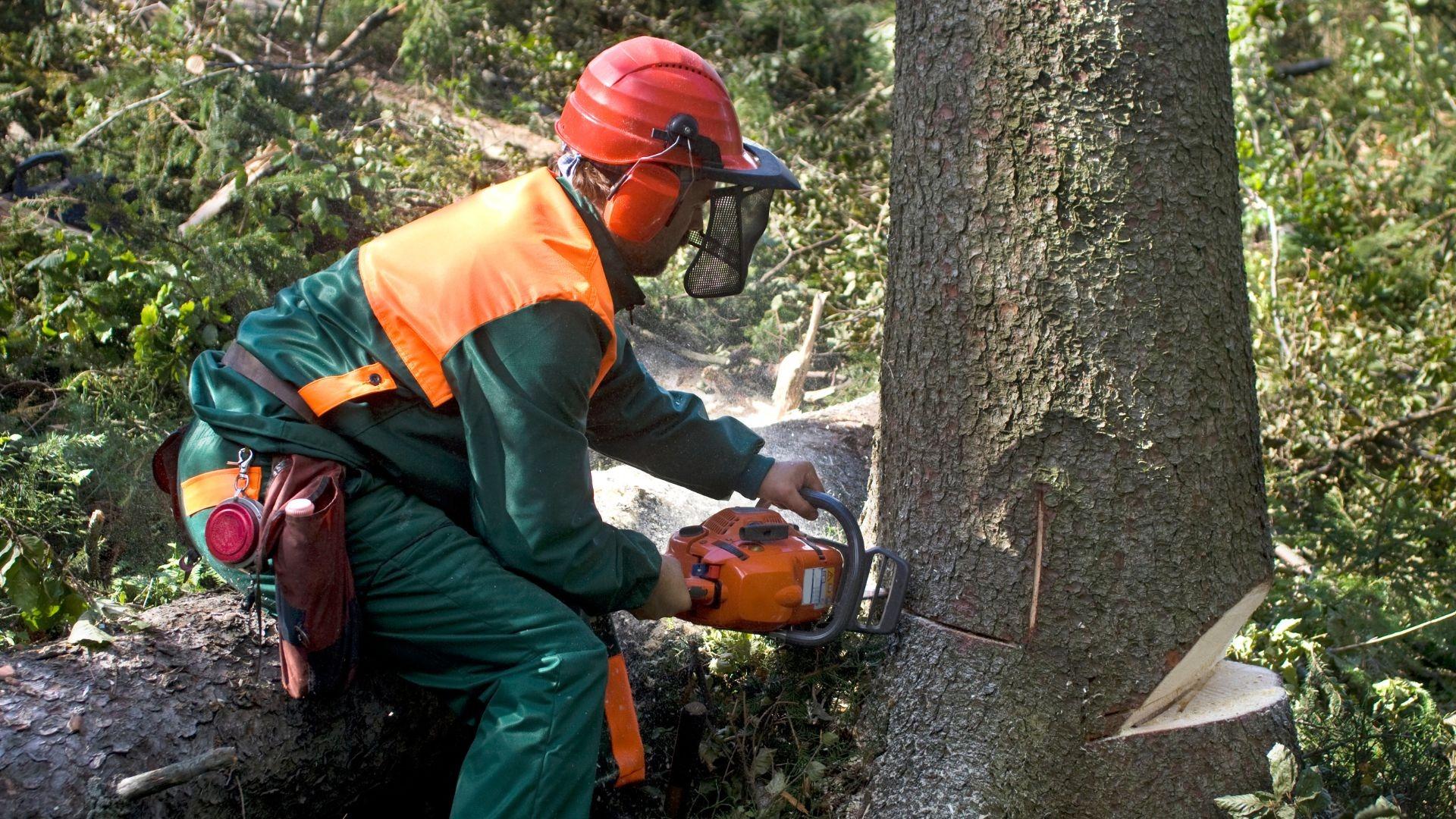
Trees are one of the most valuable assets in any landscape, offering shade, beauty, and environmental benefits. However, maintaining them requires strategic care and professional expertise. Knowing when and how to use tree trimming, tree pruning, and tree removal can make a significant difference in the health, safety, and longevity of your trees.
In this expert-level guide, we’ll break down these essential services, explain when each is needed, and provide actionable insights to help you maintain a thriving outdoor space.
Why Tree Maintenance is Crucial
Trees, like any living organism, require regular care to stay healthy. Without proper maintenance, they can become overgrown, diseased, or even hazardous. Services like tree trimming and tree pruning help maintain structural integrity, while tree removal becomes necessary when a tree is beyond saving.
Neglecting tree care can lead to:
- Safety hazards from falling branches
- Decreased property value
- Pest infestations
- Structural damage to nearby buildings
Deep Dive into Tree Trimming
Tree trimming is primarily focused on maintaining the external shape and size of a tree. It ensures that trees remain visually appealing while preventing them from interfering with their surroundings.
Key Objectives of Tree Trimming
- Control excessive growth
- Maintain symmetry and aesthetics
- Remove obstructive branches
- Improve visibility around property
Strategic Approach to Tree Trimming
Professional arborists follow a structured approach:
- Identify overgrown or misaligned branches
- Maintain natural tree shape
- Avoid excessive cutting that can stress the tree
Common Mistakes to Avoid
- Over-trimming, which weakens the tree
- Trimming at the wrong time of year
- Using improper tools
Proper tree trimming is both an art and a science, requiring precision and experience.
The Science Behind Tree Pruning
Unlike trimming, tree pruning is a more technical process aimed at improving a tree’s health and growth pattern. It involves removing specific branches to eliminate potential problems and encourage stronger development.
Goals of Tree Pruning
- Remove diseased or infected branches
- Improve structural stability
- Enhance fruit or flower production
- Prevent overcrowding within the canopy
Advanced Tree Pruning Techniques
- Structural Pruning
Shapes young trees for long-term strength. - Sanitation Pruning
Removes diseased parts to prevent spread. - Restorative Pruning
Revives neglected or damaged trees. - Directional Pruning
Guides growth away from structures or utilities.
Timing Matters
- Winter pruning encourages vigorous growth in spring
- Summer pruning controls excessive growth
- Avoid pruning during active disease periods
When done correctly, tree pruning significantly extends the lifespan of trees.
When is Tree Removal the Only Option?
While preservation is always preferred, there are situations where tree removal is unavoidable. Ignoring a hazardous tree can lead to severe consequences.
Critical Situations for Tree Removal
- Completely dead trees
- Severe structural damage
- Root system failure
- Trees posing risk to buildings or people
The Tree Removal Process
Professional tree removal involves several steps:
- Assessment of the tree and surroundings
- Planning the safest removal method
- Cutting and dismantling in sections
- Stump removal or grinding
Post-Removal Considerations
After tree removal, it’s important to:
- Remove the stump to prevent regrowth
- Replant new trees if possible
- Restore the landscape
Seasonal Guide for Tree Care
Timing plays a crucial role in effective tree maintenance.
Spring
- Light tree trimming to shape growth
- Inspection for winter damage
Summer
- Controlled tree pruning to manage growth
- Remove weak or damaged branches
Autumn
- Prepare trees for winter
- Minor tree trimming if necessary
Winter
- Ideal time for major tree pruning
- Safe period for most tree removal projects
Safety First: Why Expertise Matters
Tree care can be dangerous without proper training. Climbing tall trees, handling heavy branches, and using cutting equipment all require professional skills.
Risks of DIY Tree Work
- Falls and injuries
- Electrical hazards near power lines
- Incorrect cuts damaging the tree
- Uncontrolled falling branches
Hiring professionals ensures that tree trimming, tree pruning, and tree removal are performed safely and efficiently.
Long-Term Benefits of Regular Tree Care
Investing in routine maintenance provides lasting advantages:
- Healthier Trees: Regular tree pruning prevents disease and decay
- Enhanced Property Value: Well-maintained trees boost curb appeal
- Improved Safety: Eliminates potential hazards
- Cost Savings: Prevents expensive emergency services
Eco-Friendly Tree Management
Sustainable practices are essential in modern tree care.
- Recycle wood from tree removal
- Use organic treatments during tree pruning
- Avoid excessive tree trimming that harms tree health
- Plant replacement trees to maintain ecological balance
Choosing the Right Service for Your Needs
Selecting between tree trimming, tree pruning, and tree removal depends on your tree’s condition and your goals.
- Choose tree trimming for appearance and control
- Opt for tree pruning for health and growth
- Consider tree removal only when necessary
A professional assessment can help determine the best course of action.
Conclusion
Effective tree care is a combination of knowledge, timing, and precision. Whether it’s enhancing the look of your landscape through tree trimming, improving tree health with tree pruning, or ensuring safety with tree removal, each service plays a critical role.
By understanding these techniques and investing in professional care, you can maintain a safe, beautiful, and sustainable outdoor environment. Healthy trees not only enhance your property but also contribute to a greener and more balanced ecosystem.
Taking proactive steps today ensures your trees continue to thrive for generations to come.