


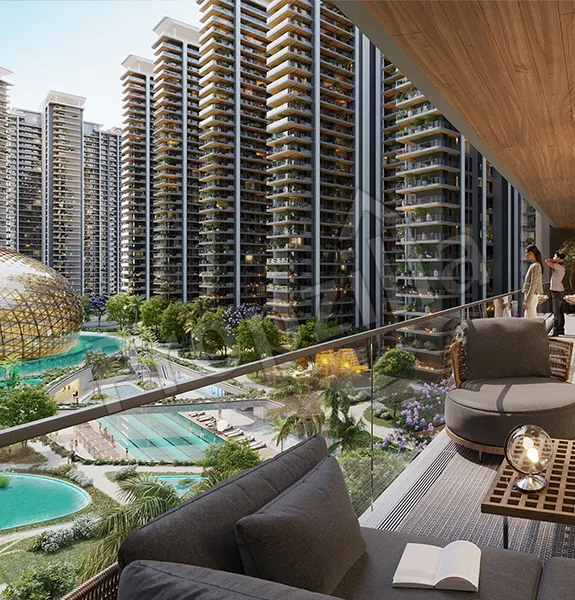
The real estate market has evolved dramatically in recent years, with homebuyers increasingly focused on lifestyle, convenience, and future-proof living. One of the most significant shifts in buyer preferences is the transition from traditional homes to smart homes. But what exactly distinguishes these two concepts, and why are smart homes becoming the preferred choice for modern buyers? In this article, we explore the difference between smart and traditional homes, why smart living is gaining traction, and how a premium project like Elan The Statement in Sector 49, Gurgaon exemplifies this trend.
Understanding Traditional Homes
Traditional homes represent the classic way of living that many generations grew up in. These homes typically offer basic functionality and conventional features:
-
Standard electrical systems and appliances
-
Manual control of lighting, cooling, and security
-
Conventional design and construction practices
-
No integrated automation or high-tech interfaces
For decades, buyers were content with traditional homes because they delivered fundamental shelter and comfort. Their appeal lay in simplicity, cost efficiency, and familiarity. However, as lifestyles have evolved and technology has advanced, the limitations of traditional homes are becoming more apparent.
For instance, in a traditional home, residents manually control each element — from switching on the lights to adjusting the air conditioner. This approach often leads to energy inefficiency and less convenience for tech-savvy homeowners who demand more from their living spaces.
What Makes a Smart Home Different?
A smart home integrates modern technology to automate and enhance everyday living. In a smart home, various systems — such as security, lighting, HVAC (heating, ventilation, and air conditioning), entertainment, and appliances — are interconnected and can be controlled remotely or programmed to operate autonomously.
Here’s what typically defines a smart home:
-
Automated lighting systems triggered by occupancy or schedules
-
Smart thermostats that optimize energy use
-
Remote-controlled security features including cameras, sensors, and door locks
-
Voice and app-based control of home systems
-
Integration with AI assistants and IoT devices
Smart homes bring a new level of convenience, safety, and efficiency to residents. Whether it’s turning off lights from a mobile app, adjusting the room temperature before you arrive home, or receiving real-time alerts about unusual activity — smart homes adapt to your lifestyle.
Why Buyers Prefer Smart Homes Today
There are several reasons why smart homes are increasingly preferred over traditional homes:
1. Enhanced Convenience
Smart home automation simplifies daily routines. With smart control systems, homeowners can manage multiple functions from a phone or voice assistant, saving time and effort.
2. Improved Security
Smart security systems provide peace of mind with features like motion detection, live video feeds, automated door locks, and intrusion alerts — capabilities that traditional homes typically lack.
3. Energy Efficiency
By automating systems like lighting and HVAC, smart homes help reduce energy waste and utility costs. Smart thermostats and lighting systems learn user behavior and adjust operations to conserve energy.
4. Future-Ready Living
Smart homes are designed for scalability. As technology advances, new features can be integrated seamlessly — making them a forward-looking investment.
5. Higher Property Value
Homes equipped with smart technologies often command higher resale values and greater buyer interest, particularly among younger, tech-oriented buyers.
Traditional Homes: The Enduring Appeal
Despite the advantages of smart homes, traditional homes still appeal to certain buyers, particularly:
-
Those seeking lower upfront costs
-
Buyers uninterested in high-tech features
-
Individuals preferring simplicity over automation
Traditional homes may also be preferable in areas where smart technology infrastructure or internet reliability is inconsistent. Moreover, some buyers simply appreciate the familiarity and ease of traditional living setups.
However, even traditional homes are gradually incorporating some smart features, like energy-efficient appliances or basic remote control functions, blurring the lines between the two categories.
The Best of Both Worlds: Smart Living in Luxury Projects
Today’s discerning homebuyers — especially those in the premium segment — often seek residences that combine luxury, space, and smart capabilities. One project that exemplifies this fusion is Elan The Statement, Sector 49, Gurgaon.
Elan The Statement is an ultra-luxury residential offering in one of Gurgaon's most sought-after locations — Sohna Road, Sector 49. Situated in a prime growth corridor with excellent connectivity to NH-48, Golf Course Extension Road, and major business hubs such as Cyber City and Huda City Centre, Sector 49 has become a preferred destination for affluent buyers who value both convenience and prestige.
Smart Features That Appeal to Modern Buyers
While Elan The Statement Gurgaon redefines upscale living with spacious 4 BHK luxury apartments and high-end amenities, its alignment with modern smart living trends enhances its appeal among today’s buyers. Projects like these often incorporate elements such as:
-
Smart home automation systems — allowing residents to control lighting, climate, and security from smartphones or central consoles
-
Integrated security systems with round-the-clock surveillance, smart access control, and automated alerts
-
Efficient climate control with smart thermostats and VRV/VRF systems that optimize comfort and energy usage
-
App-based services for concierge, maintenance requests, and community updates
These features are increasingly expected by buyers who want more than just physical space — they want intelligence embedded into their living environment.
Lifestyle & Comfort: Beyond Smart Technology
Smart features are just one part of what makes Elan The Statement Sector 49 appealing. The project brings a wealth of lifestyle amenities tailored to modern living:
-
Expansive clubhouse with wellness, fitness, and recreational facilities
-
Swimming pools, sports courts, and landscaped gardens
-
Jogging tracks, play areas, yoga zones, and community spaces
-
Low-density design with only two units per core for privacy
These luxury elements create a living experience that goes beyond automation — focusing on health, leisure, and community. The integration of smart technology with lifestyle-centric design is what many buyers today seek in comparison to what traditional homes offer.
Location Advantage: A Smart Choice in Real Estate Investment
Another factor influencing buyer preference is location. Projects like Elan The Statement in Sector 49, Gurgaon benefit from strong connectivity and urban infrastructure. Being situated on Sohna Road ensures quick access to transport links, corporate hubs, international schools, healthcare facilities, and entertainment centers — a smart advantage for both homeowners and investors alike.
Such strategic positioning enhances quality of daily life and supports better long-term appreciation, making this type of development attractive whether buyers are seeking a primary residence or an investment property.
Conclusion: Smart Homes Are the Future — with Luxury Leading the Way
As technology reshapes how we live, smart homes are increasingly becoming the preferred choice for modern buyers. The convenience, energy efficiency, advanced security, and future-ready capabilities of smart homes deliver tangible value that traditional homes struggle to match.
At the same time, buyers are not just seeking smart functionality — they want a holistic lifestyle experience blending comfort, luxury, and location advantage. Elan The Statement in Sector 49, Gurgaon exemplifies this new paradigm: a premium residence that combines smart living concepts with world-class amenities, elegant design, and exceptional connectivity.
Whether you’re a family seeking a tech-enabled, comfortable home, or an investor pursuing properties with high desirability and appreciation potential, smart homes like those in modern projects are the direction the market is heading — and increasingly, what buyers prefer today.