


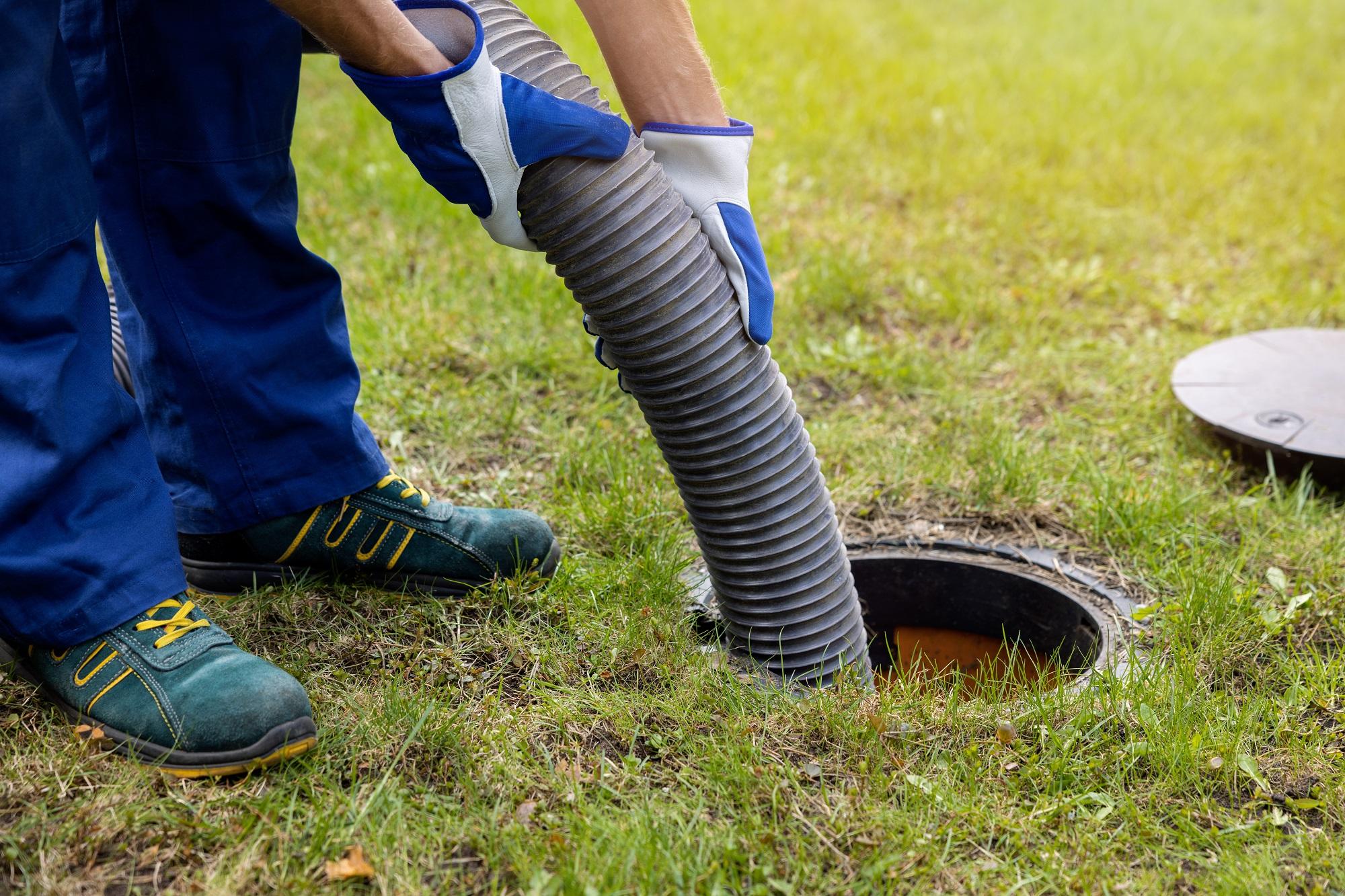
Maintaining a healthy septic system is essential for any residential or commercial property that relies on onsite wastewater treatment. Ignoring routine care can lead to unpleasant odors, slow drains, property damage, and even health hazards. This is where septic tank pumping services play a critical role. Whether you need scheduled maintenance, urgent intervention, or deep cleaning, understanding how septic services work can save you time, money, and stress.
In this comprehensive guide, we’ll cover the importance of septic tank pumping, signs you need immediate help, and how emergency septic tank pumping and septic cleaning services keep your system functioning efficiently.
What Are Septic Tank Pumping Services?
Septic tank pumping services involve removing accumulated sludge, solid waste, and scum from your septic tank. Over time, solid materials settle at the bottom of the tank and do not break down completely. If these solids are not pumped out regularly, they can overflow into the drain field, causing blockages and system failure.
Professional pumping ensures:
-
Proper wastewater flow
-
Longer septic system lifespan
-
Prevention of costly repairs
-
Compliance with local health regulations
Experts generally recommend pumping every 3–5 years, depending on tank size, household usage, and waste volume.
Why Regular Septic Pumping Is Crucial
Skipping regular septic maintenance may seem harmless, but it can lead to severe consequences:
-
System backups into toilets and sinks
-
Foul odors around the property
-
Contaminated groundwater
-
Expensive drain field replacement
Routine septic cleaning services help remove grease, sludge, and debris before they cause irreversible damage. Preventive care is always more affordable than emergency repairs.
Signs You Need Septic Tank Pumping Immediately
Knowing the warning signs can help you act before it’s too late. Contact professionals if you notice:
-
Slow-draining sinks or toilets
-
Gurgling sounds in plumbing
-
Standing water near the septic area
-
Strong sewage smells indoors or outdoors
-
Sewage backing up into drains
These symptoms often indicate that your tank is full and requires immediate attention.
Emergency Septic Tank Pumping: When Time Matters
Sometimes, septic issues cannot wait. Emergency septic tank pumping is designed for urgent situations where system failure poses health risks or property damage.
Emergency services are essential when:
-
Sewage backs up into living spaces
-
The tank overflows after heavy rainfall
-
A blocked outlet causes wastewater flooding
-
Commercial systems fail during operating hours
Professional emergency providers respond quickly with specialized equipment to restore system functionality and minimize disruption.
Septic Cleaning Services vs. Pumping: What’s the Difference?
While pumping removes waste, septic cleaning services go a step further. Cleaning involves thoroughly washing the tank interior to remove hardened sludge, grease buildup, and residue that pumping alone may not eliminate.
Septic cleaning is recommended:
-
For older or neglected systems
-
Before property sale or inspection
-
When persistent odors remain after pumping
-
For commercial or high-usage systems
Combining pumping and cleaning ensures optimal system performance and hygiene.
How Professional Septic Services Protect Your Property
Hiring trained septic professionals offers several advantages:
-
Accurate inspection of tank condition
-
Safe waste disposal following regulations
-
Early detection of leaks or structural damage
-
Expert advice on maintenance schedules
Reliable septic tank pumping services help protect your investment and ensure uninterrupted daily use.
Choosing the Right Septic Service Provider
When selecting a septic service company, look for:
-
Licensed and insured technicians
-
Emergency response availability
-
Modern pumping equipment
-
Transparent pricing
-
Positive customer reviews
A reputable provider will tailor solutions based on your system size and usage patterns.
Frequently Asked Questions (FAQs)
How often should septic tank pumping be done?
Most residential systems require pumping every 3–5 years. However, larger households or commercial properties may need more frequent service.
What happens if a septic tank is not pumped on time?
Delayed pumping can cause tank overflow, drain field damage, sewage backups, and costly system replacement.
Is emergency septic tank pumping more expensive?
Yes, emergency septic tank pumping typically costs more due to urgent response and after-hours service, but it prevents far greater damage expenses.
Are septic cleaning services necessary after pumping?
Not always, but septic cleaning services are recommended for older systems, severe blockages, or persistent odor issues.
Can I pump my septic tank myself?
No. Septic pumping requires specialized equipment and licensed professionals to ensure safe waste handling and legal disposal.
Final Thoughts
Proper septic maintenance is not optional—it’s essential. Regular septic tank pumping services, timely emergency septic tank pumping, and thorough septic cleaning services work together to protect your property, health, and environment. By staying proactive and working with experienced professionals, you can ensure your septic system remains efficient, reliable, and problem-free for years to come.