


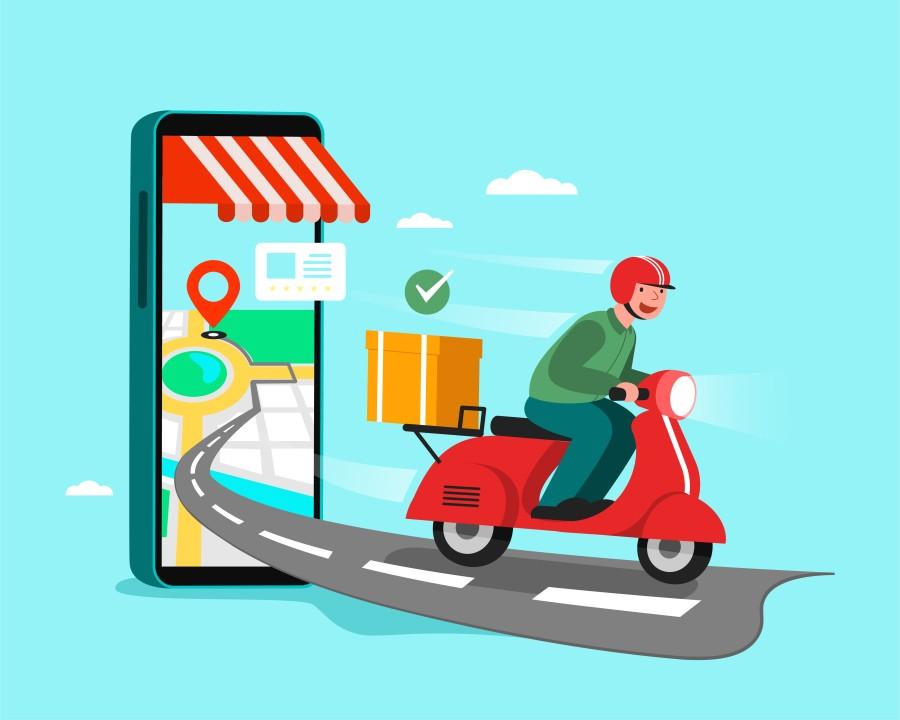
A modern Instant Grocery Market Platform is built to coordinate real-time commerce across ordering, inventory, picking, and last-mile delivery. Unlike traditional e-commerce, instant grocery must commit to very short delivery windows, making platform accuracy and latency critical. The platform typically includes consumer apps, catalog management, pricing and promotions engines, real-time inventory visibility, and order orchestration. It also manages fulfillment operations: pick task assignment, optimized pick paths, substitution workflows, and packaging guidance for cold chain items. Dispatch systems assign couriers based on proximity, capacity, and delivery targets, while routing algorithms minimize travel time. Live tracking, ETA accuracy, and proactive issue messaging influence customer trust. Because instant grocery is operationally complex, platforms must also support back-office functions such as replenishment planning, supplier ordering, shrink tracking, and performance dashboards. The best platforms treat speed as a service level, continuously measuring pick time, handoff time, and delivery time to identify bottlenecks and drive improvement.
Inventory management is a defining platform challenge. If inventory is inaccurate, customers order items that cannot be fulfilled, leading to refunds and churn. Platforms therefore use barcode scanning, cycle counts, and real-time stock adjustments linked to picking activity. Demand forecasting supports replenishment, especially for perishables where waste is costly. Many platforms use neighborhood-level forecasting to tailor assortment and stock levels by location. Assortment management is also important; instant grocery typically carries fewer SKUs to optimize speed. Pricing engines support dynamic promotions and minimum order policies, balancing customer demand with unit economics. Substitution workflows are critical for satisfaction: platforms may suggest alternatives, capture customer preferences, and allow approval in real time. Cold chain features guide pick order and packing so frozen and chilled items remain within safe temperature ranges. Integration with supplier systems improves replenishment speed and reduces out-of-stock events. These inventory capabilities determine not only customer experience, but also profitability through reduced spoilage and higher fulfillment rates.
Dispatch and delivery optimization are equally important. Platforms manage courier supply, shift planning, and task assignment to maximize utilization. Routing considers distance, traffic, batching opportunities, and time windows. Many platforms use micro-zoning to keep delivery radiuses small, increasing on-time rates. Courier apps provide navigation, proof of delivery, and customer contact tools, while operational dashboards monitor lateness risk in real time. Fraud prevention and quality controls are also platform needs, including photo verification, address validation, and refund policy enforcement. Customer experience features—live order tracking, accurate ETAs, fast refunds—affect retention. Loyalty programs and subscriptions are increasingly embedded, encouraging repeat behavior and improving economics. Platforms also support analytics for continuous improvement: pick speed by worker, delivery speed by courier type, stockout rates by category, and waste levels. These metrics guide layout changes, staffing decisions, and assortment optimization. Without strong platform analytics and control loops, instant grocery operations struggle to scale consistently across locations.
Platform evolution will emphasize automation, personalization, and profitability controls. Micro-fulfillment automation can integrate directly with platforms to reduce pick time and labor cost. AI-based forecasting and dynamic routing will improve efficiency and reduce waste. Personalization will increase conversion and basket size through smarter recommendations and targeted promotions. Platforms will also integrate with broader retail ecosystems, enabling hybrid fulfillment from dark stores and supermarkets. Compliance features may expand as labor regulations change and food safety requirements tighten. Buyers evaluating instant grocery platforms—whether retailers building in-house or operators using third-party software—should consider inventory accuracy capabilities, dispatch sophistication, cold chain workflows, and reporting depth. Scalability and reliability are critical because downtime immediately impacts deliveries and customer trust. In a model where minutes matter, platform quality can determine success more than marketing. The best platforms will enable disciplined execution, helping operators deliver consistent speed and accuracy while improving unit economics in competitive urban markets.
Top Trending Reports: