


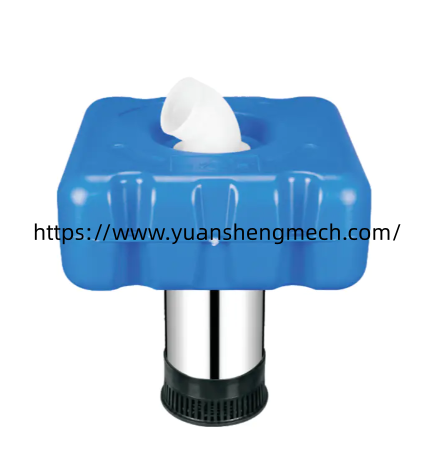
Float Type Aerator systems are widely used in aquaculture fields to improve water movement and support oxygen distribution across pond environments. In modern fish farming operations, installation location plays an important role in ensuring effective aeration performance and maintaining balanced water conditions. Proper positioning helps improve circulation, reduce stagnant zones, and support aquatic life activity.
In many aquaculture ponds, surface aeration equipment is often installed in central areas. This placement helps distribute oxygen more evenly throughout the pond and supports circular water movement. By positioning equipment in the middle, operators can encourage broader water circulation patterns that benefit overall pond conditions.
Another common installation area is near feeding zones. These areas typically experience higher organic activity due to fish feeding behavior. Placing aeration equipment nearby helps improve oxygen levels and supports better water quality in regions where demand is higher. This can contribute to more balanced environmental conditions within the pond.
Pond edges and corners are also considered for installation in some systems. These areas may experience slower water movement, which can lead to sediment accumulation or reduced oxygen levels. Adding aeration support in these zones helps improve circulation and reduce stagnant water conditions.
In larger aquaculture fields, multiple units may be distributed across different zones of the pond. This approach helps ensure more uniform oxygen distribution and supports stable water movement across wider areas. System layout often depends on pond size, depth, and farming density.
Water depth is another factor influencing installation decisions. Surface aeration systems are generally positioned where they can effectively interact with upper water layers. This helps improve gas exchange between air and water, supporting dissolved oxygen levels across the pond surface.
Environmental conditions such as wind direction and sunlight exposure can also affect installation planning. Operators may adjust equipment positioning based on natural conditions to improve circulation efficiency and reduce uneven water movement within the pond.
Maintenance accessibility is also considered during installation. Equipment placed in accessible locations allows for easier inspection, cleaning, and operational checks. This supports long-term system stability and reduces interruption during farming cycles.
Different aquaculture models may require different installation strategies. Intensive farming systems often use multiple aeration points, while extensive systems may rely on fewer units placed strategically across the pond. Selection depends on production goals and water management needs.
Yuansheng focuses on providing mechanical solutions designed for aquaculture applications, supporting different pond layouts and operational environments. Through adaptable equipment design, the company assists users in optimizing water circulation and oxygen distribution across farming systems.
As aquaculture continues to expand, installation planning for aeration systems becomes increasingly important. Proper placement contributes to water quality management, system efficiency, and stable farming conditions in various aquaculture environments.For more product information and technical details, please visit https://www.yuanshengmech.com/ to explore available solutions and application support.
Tags