


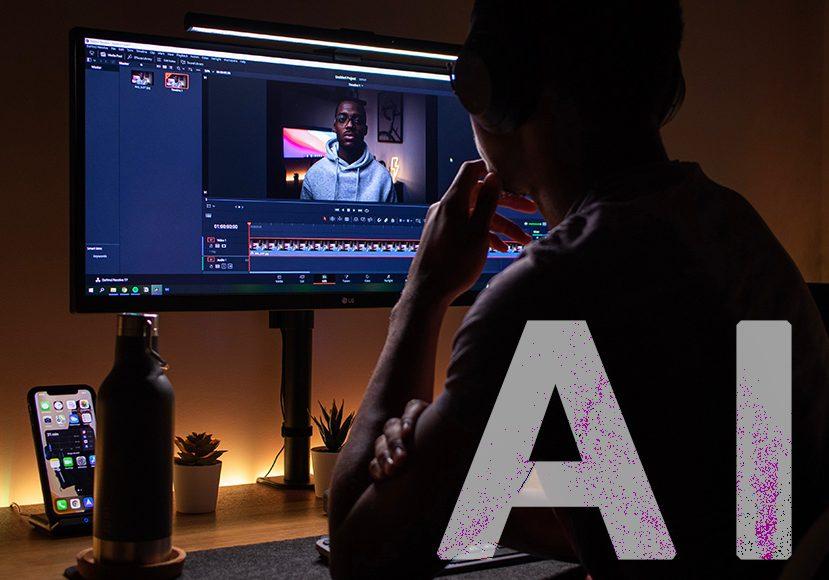
In the visually saturated landscape of the 21st century, the power to create and manipulate images has become a new form of literacy. This shift has given rise to the transformative and rapidly accelerating AI Image Editor industry, a sector that is fundamentally redefining the boundaries of digital creativity. Unlike traditional photo editors that require users to have deep technical knowledge of tools, layers, and masks, AI image editors leverage the power of artificial intelligence to automate complex tasks and unlock entirely new creative possibilities. These intelligent platforms can be broadly categorized into two types: augmentative and generative. Augmentative tools enhance and simplify the editing of existing photos, while generative tools can create entirely new images or elements from simple text descriptions. By infusing machine learning, computer vision, and generative models into the creative process, this industry is democratizing professional-level results and empowering a new generation of creators, marketers, and artists to bring their visions to life with unprecedented speed and ease.
The first major facet of this industry is the AI-powered augmentation of traditional editing workflows. This is where AI acts as an incredibly intelligent and efficient assistant to the human editor. The leading platforms in this space, including Adobe's Photoshop with its Sensei AI, and specialized software like Skylum's Luminar Neo, have integrated a suite of "one-click" features that automate tasks that once took hours of painstaking manual work. For instance, AI-powered sky replacement can analyze a landscape photo, perfectly mask out a dull sky, and replace it with a dramatic sunset, automatically adjusting the lighting and color of the foreground to match. Intelligent subject selection can isolate a person from a complex background with pixel-perfect accuracy, a task that previously required meticulous use of the pen tool. AI-driven portrait retouching can automatically identify and smooth skin, enhance eyes, and whiten teeth while preserving a natural look. For photographers, this means less time spent on tedious, repetitive editing and more time focused on creative decision-making, dramatically accelerating their workflow and increasing their output.
The second, and arguably more revolutionary, facet of the industry is generative AI. This is where the AI is not just assisting but is acting as a creative partner, generating novel visual content from scratch. This technology, powered by advanced models like Generative Adversarial Networks (GANs) and, more recently, diffusion models (the technology behind DALL-E, Midjourney, and Stable Diffusion), has captured the public's imagination. Users can now simply type a text prompt—such as "a photorealistic image of an astronaut riding a horse on Mars"—and the AI will generate a unique, high-quality image based on that description. This capability extends beyond simple image creation. "Inpainting" allows a user to erase an unwanted object from a photo and have the AI intelligently fill in the background. "Outpainting" allows a user to extend the borders of an image, with the AI imagining and generating what might have been just outside the original frame. This generative technology is not just a novelty; it is a powerful tool for ideation, concept art, and creating unique marketing content, completely changing the economics and speed of visual asset creation.
The impact of this industry is being felt across a wide spectrum of users, from seasoned professionals to casual hobbyists. For professional photographers and graphic designers, AI tools are becoming an indispensable part of their toolkit, enabling them to work faster and explore more creative options. For marketers and small business owners, AI image editors provide a cost-effective way to create high-quality, on-brand visual content for social media, websites, and advertising without needing to hire a professional designer or purchase expensive stock photography. For the everyday consumer, intuitive mobile apps powered by AI allow them to transform their smartphone photos into polished, shareable works of art with just a few taps. By lowering the technical barrier to entry and automating complex processes, the AI image editor industry is empowering a broader range of people to communicate visually, fostering a global surge in digital creativity and fundamentally changing our relationship with the digital image.
Top Trending Reports: