


Introduction
Recognizing the signs and symptoms of Lyme disease is an important step toward early awareness and informed healthcare decisions. Lyme disease is a tick-borne illness caused primarily by the bacterium Borrelia burgdorferi. It is most commonly transmitted through the bite of infected blacklegged ticks, also known as deer ticks.
The symptoms of Lyme disease can vary widely from person to person. Some individuals may notice a characteristic skin rash shortly after a tick bite, while others may experience fatigue, joint discomfort, flu-like symptoms, or neurological concerns. Because Lyme disease symptoms can sometimes resemble other health conditions, awareness and professional medical evaluation are essential.
In this educational guide from Holistic Therapy Tribe, we explore common Lyme disease symptoms, how they may develop over time, and when it may be appropriate to seek medical attention.
What Is Lyme Disease?
Lyme disease is one of the most commonly reported vector-borne diseases in the United States. According to the CDC Lyme Disease Overview, the condition is caused by bacteria spread through the bite of infected ticks.
Not everyone who is bitten by a tick develops Lyme disease. However, understanding the possible signs and symptoms can help individuals and caregivers recognize potential concerns and discuss them with a qualified healthcare provider.
What Are the Early Signs and Symptoms of Lyme Disease?
Early Lyme disease symptoms in USA typically appear within days to weeks after a tick bite. Some individuals may not remember being bitten because ticks can be very small and difficult to detect.
Erythema Migrans Rash
One of the most recognized early signs is the erythema migrans rash.
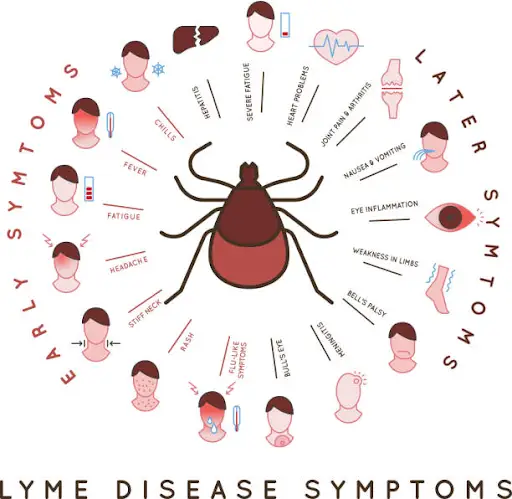
Characteristics may include:
- Expanding red rash around the bite area
- Circular or oval appearance
- Sometimes described as a "bull's-eye" pattern
- Usually not painful or itchy
- May continue expanding over several days
According to the Mayo Clinic Lyme Disease Guide, not every person with Lyme disease develops the classic bull's-eye rash, making symptom awareness especially important.
Flu-Like Symptoms
Many early Lyme disease symptoms resemble common viral illnesses, including:
- Fatigue
- Fever
- Chills
- Headache
- Muscle aches
- General malaise
- Swollen lymph nodes
Because these symptoms are non-specific, they may sometimes be overlooked or mistaken for other conditions.
Can Lyme Disease Cause Fatigue?
Persistent Tiredness and Low Energy
Fatigue is one of the most frequently reported Lyme disease symptoms.
Individuals may experience:
- Unusual exhaustion
- Reduced stamina
- Difficulty completing daily activities
- Feeling unrefreshed after sleep
Research discussed by the Johns Hopkins Lyme Disease Research Center suggests that fatigue can occur during both early and later stages of Lyme disease.
Fatigue may also be associated with inflammation and immune system responses triggered by infection.
How Does Lyme Disease Affect the Joints and Muscles?
Joint Pain and Stiffness
Joint-related symptoms are commonly reported in Lyme disease.
These may include:
- Intermittent joint pain
- Swelling in large joints
- Knee discomfort
- Stiffness after rest
- Migrating pain that shifts between joints
Muscle Discomfort
Some individuals also report:
- Muscle aches
- Generalized soreness
- Neck stiffness
- Reduced physical comfort during daily activities
These symptoms may vary in severity and duration.
What Neurological Symptoms Can Occur With Lyme Disease?
Brain Fog and Cognitive Changes
Neurological symptoms are among the most discussed aspects of Lyme disease.
Some individuals report:
- Difficulty concentrating
- Brain fog
- Memory challenges
- Reduced mental clarity
- Difficulty finding words
The Cleveland Clinic Lyme Disease Guide notes that neurological symptoms may occur when Lyme disease affects the nervous system.
Nerve-Related Symptoms
Potential neurological manifestations may include:
- Tingling sensations
- Numbness
- Facial weakness
- Increased sensitivity to pain
- Headaches
These symptoms should always be evaluated by a qualified healthcare professional.
Can Lyme Disease Symptoms Appear Months Later?
Later-Stage Symptoms
When Lyme disease is not recognized early, some symptoms may develop weeks or months after the initial infection.
Possible later-stage symptoms include:
- Ongoing fatigue
- Recurrent joint pain
- Neurological symptoms
- Sleep disturbances
- Cognitive concerns
The term "chronic Lyme symptoms" is often used by patients and advocacy communities to describe persistent symptoms. However, discussions regarding terminology and long-term symptom management continue within medical and research communities.
For additional perspectives, organizations such as the Global Lyme Alliance provide educational resources regarding ongoing Lyme disease research.
How Is Lyme Disease Diagnosed?
Medical Evaluation and Lyme Testing
Diagnosing Lyme disease typically involves:
- Reviewing symptom history
- Evaluating potential tick exposure
- Physical examination
- Laboratory testing when appropriate
The National Institute of Allergy and Infectious Diseases explains that diagnosis is based on a combination of clinical assessment and testing rather than laboratory results alone.
Anyone experiencing possible Lyme disease symptoms should consult a qualified healthcare provider for proper evaluation.
Holistic Considerations for Overall Wellness
While medical diagnosis and treatment decisions should be guided by healthcare professionals, many individuals also explore supportive wellness approaches.
These may include:
- Healthy nutrition
- Stress management
- Adequate sleep
- Physical activity as tolerated
- Immune-supportive lifestyle habits
- Mind-body wellness practices
Holistic Therapy Tribe encourages readers to view wellness through a comprehensive lens that supports overall health while working alongside evidence-based medical care.
Internal Linking Suggestions for HolisticTherapyTribe.net
Consider linking this article to:
- Preventing Lyme Disease USA
- Brain Fog and Lyme Disease
- How Is Lyme Disease Diagnosed in the United States?
- Lyme Support Network USA
- Treatment Options for Lyme Disease USA
- Chronic Lyme Disease Natural Wellness Approaches
Q&A Section
What are the early signs of Lyme disease?
Early signs may include fatigue, fever, headache, muscle aches, swollen lymph nodes, and an erythema migrans rash after a tick bite.
Can Lyme disease symptoms appear later?
Yes. Some symptoms may develop weeks or months after the initial infection, including joint discomfort, fatigue, and neurological concerns.
How is Lyme disease diagnosed?
Healthcare providers typically evaluate symptoms, possible tick exposure, physical findings, and laboratory testing when appropriate.
Can Lyme disease cause fatigue and brain fog?
Many individuals report fatigue, reduced concentration, and brain fog as part of their Lyme disease experience.
When should someone see a doctor after a tick bite?
Anyone who develops symptoms such as fever, rash, fatigue, joint pain, or neurological concerns following a tick bite should seek professional medical evaluation.
Does everyone with Lyme disease develop a rash?
No. While the erythema migrans rash is common, some individuals may not notice or develop a visible rash.
Can Lyme disease symptoms mimic other conditions?
Yes. Lyme disease symptoms can resemble other illnesses, which is why professional evaluation is important for accurate diagnosis.
Conclusion
Understanding the signs and symptoms of Lyme disease can help individuals recognize potential concerns and seek timely medical guidance. Symptoms may range from early flu-like illness and erythema migrans rash to fatigue, joint pain, inflammation, and neurological symptoms. Because Lyme disease can present differently in each person, awareness remains one of the most valuable tools for patients, caregivers, and healthcare professionals.
At Holistic Therapy Tribe, our goal is to provide balanced, educational information that supports informed conversations about Lyme disease, wellness, prevention, and overall health.
Disclaimer
This article is for educational awareness only and is not a substitute for professional medical advice, diagnosis, or treatment. Always consult a qualified healthcare provider for concerns about Lyme disease or tick-borne infections.
References
- CDC Lyme Disease Overview
https://www.cdc.gov/lyme/ - Johns Hopkins Lyme Disease Research Center
https://www.hopkinslyme.org/ - Mayo Clinic Lyme Disease Guide
https://www.mayoclinic.org/diseases-conditions/lyme-disease - Cleveland Clinic Lyme Disease Guide
https://my.clevelandclinic.org/health/diseases/4305-lyme-disease - National Institute of Allergy and Infectious Diseases (NIAID) Lyme Disease Information
https://www.niaid.nih.gov/diseases-conditions/lyme-disease - Global Lyme Alliance
https://www.globallymealliance.org/