


Knee osteoarthritis is one of the most common joint conditions affecting adults throughout the UK. It can gradually interfere with everyday life, making simple activities such as walking, climbing stairs, exercising, or standing for long periods increasingly difficult. As symptoms progress, many patients begin looking for treatments that offer meaningful and sustained relief without the need for major surgery.
While traditional treatments such as pain medication, physiotherapy, steroid injections, and hyaluronic acid injections remain widely used, many patients are now searching for a long-lasting knee injection UK solution that can provide extended symptom relief while preserving natural joint function.
At Sobti Ortho, innovative treatments such as Arthrosamid are helping patients manage knee osteoarthritis more effectively and potentially delay the need for knee replacement surgery.
Understanding Knee Osteoarthritis
The knee is one of the largest and most important joints in the body. Healthy cartilage covers the ends of bones and allows smooth, pain-free movement.
As osteoarthritis develops:
- Cartilage gradually wears away
- Joint surfaces become rougher
- Friction increases
- Pain develops
- Mobility becomes restricted
The condition often progresses slowly, but its impact on daily life can become significant over time.
Common Symptoms of Knee Osteoarthritis
Patients with knee osteoarthritis frequently experience:
Persistent Pain
Pain may occur during activity, after exercise, or even while resting.
Joint Stiffness
Many people notice stiffness after waking up or sitting for extended periods.
Swelling
Inflammation can cause visible swelling around the knee.
Reduced Mobility
Walking, bending, and climbing stairs may become increasingly difficult.
Loss of Function
Activities that were once routine can become challenging.
These symptoms often encourage patients to seek longer-lasting treatment options.
Why Patients Want Longer-Lasting Treatments
One of the frustrations associated with traditional arthritis treatments is that symptom relief may only last for a limited period.
Many patients become concerned about:
- Frequent repeat injections
- Ongoing pain management appointments
- Reliance on medication
- Progressive loss of mobility
- Potential need for surgery
As a result, treatments that offer sustained improvement are becoming increasingly attractive.
Traditional Injection Treatments
Several injection therapies have been used for many years.
Steroid Injections
Designed primarily to reduce inflammation and provide short-term symptom relief.
Hyaluronic Acid Injections
Aim to improve joint lubrication and reduce friction.
While both options can be helpful, the benefits may diminish over time and repeat treatments are often required.
Introducing Arthrosamid
One of the most significant recent developments in knee osteoarthritis management is Arthrosamid.
Patients searching for a long-lasting knee injection UK are increasingly learning about Arthrosamid because of its unique design and long-term approach.
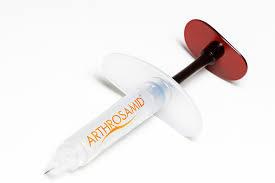
Arthrosamid is a non-biodegradable hydrogel injection developed specifically for knee osteoarthritis.
The product contains:
- 97.5% water
- 2.5% cross-linked polyacrylamide
Unlike many traditional injections, Arthrosamid is designed to remain integrated within the knee joint.
How Arthrosamid Works
The knee joint contains a synovial membrane that supports lubrication and smooth movement.
After injection:
- The hydrogel integrates into the synovial tissue
- Joint cushioning improves
- Mechanical stress decreases
- Movement becomes smoother
- Pain gradually reduces
This unique mechanism helps create a more supportive environment within the knee.
Why Arthrosamid Is Considered Long-Lasting
The key difference between Arthrosamid and many other injections lies in its permanence within the joint environment.
Long-Term Integration
The hydrogel becomes integrated into the synovial membrane.
Continuous Support
It continues supporting joint function after the injection procedure.
Reduced Need for Frequent Repeat Treatments
Many patients appreciate the convenience of a treatment designed for long-term benefit.
Joint Preservation
The natural joint structure remains intact.
These characteristics make Arthrosamid particularly attractive for patients seeking sustained symptom relief.
Potential Benefits of Arthrosamid
Patients often report several advantages following treatment.
Reduced Pain
Many individuals experience meaningful reductions in discomfort.
Improved Mobility
Walking and daily activities often become easier.
Better Joint Function
Movement frequently becomes smoother and more comfortable.
Improved Quality of Life
Increased mobility often leads to greater independence and confidence.
Potential Delay of Surgery
Some patients may postpone knee replacement for a significant period.
Who May Be Suitable for Arthrosamid?
Arthrosamid may be appropriate for people who:
- Have mild to moderate knee osteoarthritis
- Continue experiencing symptoms despite physiotherapy
- Have not achieved lasting relief from previous injections
- Wish to avoid surgery
- Want a longer-lasting treatment option
A specialist consultation is required to determine suitability.
The Assessment Process at Sobti Ortho
Before treatment, every patient undergoes a detailed evaluation.
Medical History Review
Discussion of symptoms and previous treatments.
Physical Examination
Assessment of knee stability, mobility, and function.
Imaging Studies
X-rays or MRI scans may be reviewed to assess arthritis severity.
Personalised Treatment Planning
Recommendations are tailored to the patient's needs and goals.
This ensures that treatment decisions are based on accurate clinical information.
The Arthrosamid Procedure
The procedure is simple and minimally invasive.
Preparation
The knee is cleaned and prepared using sterile techniques.
Injection
The hydrogel is carefully injected into the joint.
Observation
Patients are monitored briefly before returning home.
Most individuals can resume normal daily activities relatively quickly.
Recovery After Treatment
Recovery is generally straightforward.
Patients are often advised to:
- Avoid strenuous activities for a short period
- Follow rehabilitation guidance if appropriate
- Gradually return to regular activities
Improvements typically develop over the following weeks and months.
Supporting Long-Term Success
Patients can maximise treatment benefits through healthy habits.
Maintain a Healthy Weight
Reducing excess weight decreases pressure on the knee.
Stay Active
Low-impact exercise helps maintain mobility.
Strengthen Supporting Muscles
Strong muscles improve joint stability.
Follow Professional Advice
Physiotherapy and specialist recommendations support long-term outcomes.
Combining these strategies with Arthrosamid often produces optimal results.
Why Choose Sobti Ortho?
Sobti Ortho specialises in advanced orthopaedic care and joint preservation.
Patients benefit from:
- Specialist expertise in knee osteoarthritis treatment
- Advanced non-surgical therapies
- Personalised treatment plans
- Comprehensive assessments
- Ongoing follow-up support
The focus is on helping patients remain active and independent while reducing pain and preserving natural joint function.
The Future of Knee Arthritis Care
The treatment landscape for knee osteoarthritis continues to evolve rapidly. Innovative therapies such as Arthrosamid are providing new opportunities for patients who want effective symptom relief without immediately proceeding to surgery.
As research and clinical experience continue to grow, long-lasting injection therapies are becoming an increasingly important part of modern orthopaedic care.
Final Thoughts
If you are looking for a long-lasting knee injection UK, Arthrosamid represents one of the most promising non-surgical treatment options available today.
At Sobti Ortho, patients receive expert evaluation, personalised care, and access to innovative therapies designed to reduce pain, improve mobility, and help preserve natural joint function. For many individuals, Arthrosamid offers a valuable opportunity to remain active and comfortable while delaying or avoiding knee replacement surgery.