


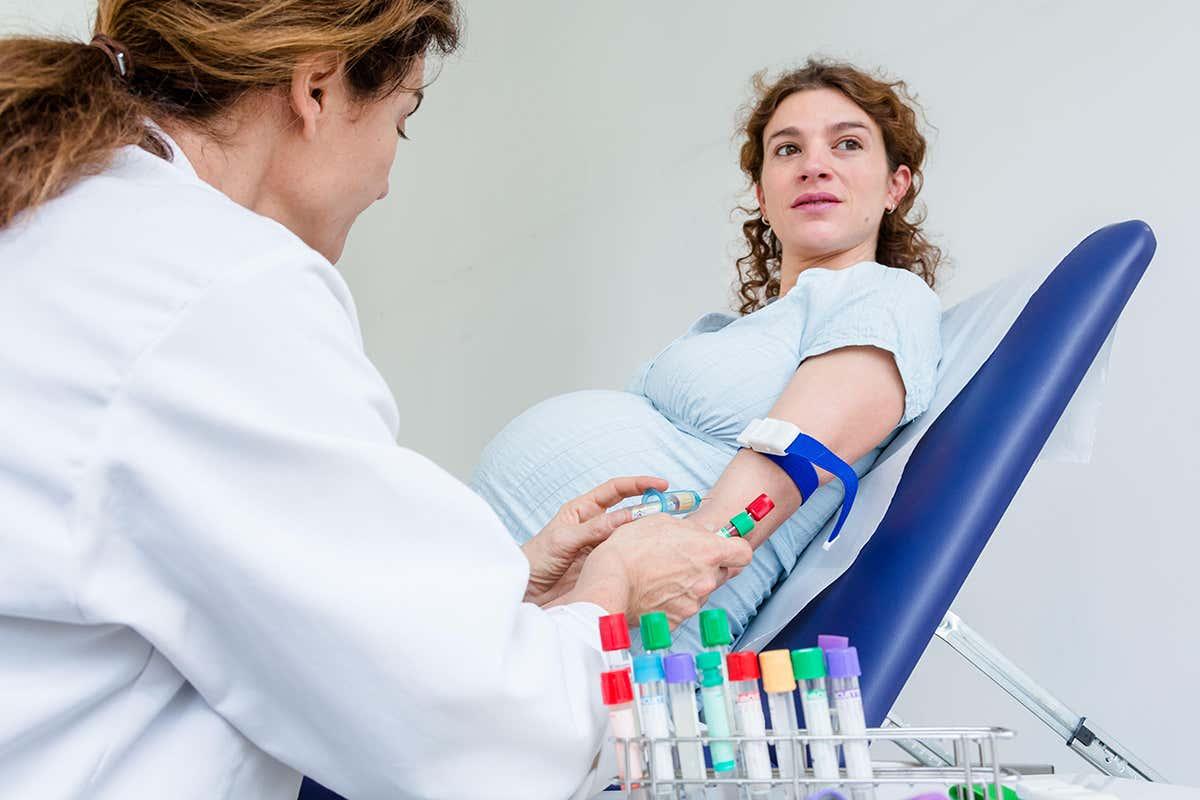
For first-time mothers, early pregnancy can feel both exciting and overwhelming. Every symptom raises questions, and every delay brings uncertainty. One of the most trusted ways to confirm pregnancy early is a Pregnancy Blood Test Dubai, which offers higher accuracy and earlier detection compared to home urine tests.
However, if you have never taken this test before, the process, results, and medical terms can feel confusing. This beginner-friendly guide explains everything in simple terms—from how the test works to what your results actually mean—so you can feel informed and confident during the early stages of pregnancy.
Why First-Time Mothers Often Choose a Blood Test?
Many first-time mothers prefer a pregnancy blood test because it provides medical confirmation rather than an at-home estimate. When experiencing early pregnancy signs like a missed period, nausea, fatigue, or breast tenderness, it is natural to want certainty.
Unlike home pregnancy kits, blood tests detect even small amounts of human chorionic gonadotropin (hCG), the pregnancy hormone released after implantation. This makes them especially helpful for early pregnancy detection and situations where menstrual cycles are irregular or unclear.
Healthcare providers also recommend blood testing when accuracy is important, such as in early prenatal care planning or fertility tracking.
Understanding How a Pregnancy Blood Test Works:
A pregnancy blood test works by measuring the level of hCG in your bloodstream. This hormone is produced by the placenta shortly after a fertilized egg attaches to the uterine lining.
Once implantation occurs, hCG levels begin to rise rapidly, often doubling every 48 to 72 hours in early pregnancy. Because this hormone enters the blood before urine, blood testing can detect pregnancy earlier than most home tests.
There are two main types of pregnancy blood tests:
Qualitative hCG Test:
This test checks whether hCG is present in your blood.
Results are simple:
-
Positive (pregnant)
-
Negative (not pregnant)
It confirms pregnancy but does not show hormone levels.
Quantitative hCG Test (Beta hCG):
This test measures the exact amount of hCG in milli-international units per milliliter (mIU/mL).
It helps doctors:
-
Confirm early pregnancy
-
Track pregnancy progression
-
Monitor hormone growth patterns
-
Identify possible complications
-
Support fertility treatment evaluation
For first-time mothers, understanding this difference helps make test results less confusing.
When Should First-Time Mothers Take the Test?
Timing plays a major role in accuracy. Many first-time mothers take the test too early, leading to uncertainty or false-negative results.
The best time to take a pregnancy blood test is:
-
After a missed period
-
About 10–14 days after ovulation
-
When early pregnancy symptoms are noticeable
Testing too early may show low or undetectable hCG levels even if pregnancy has begun. Waiting until after a missed period significantly increases reliability.
What Happens During the Test: Step-by-Step Experience?
For first-time mothers, the idea of a blood test may feel intimidating, but the procedure is simple and quick.
Registration and Basic Questions:
At the clinic or lab, staff may ask:
-
Date of last menstrual period
-
Symptoms you are experiencing
-
Medical history
-
Medication use
This helps doctors interpret results more accurately.
Blood Sample Collection:
A healthcare professional will:
-
Clean your arm with antiseptic
-
Tie a tourniquet to locate a vein
-
Insert a small sterile needle
-
Collect a blood sample into a tube
The process usually takes only a few minutes and feels like a small pinch.
Laboratory Testing:
The sample is sent to a laboratory where hCG levels are measured using sensitive testing equipment designed for early pregnancy detection.
Receiving Results:
Depending on the clinic, results may be available within a few hours to 48 hours.
Understanding Your Results as a First-Time Mother:
Interpreting results can be confusing at first, especially when numbers are involved.
Positive Result:
A positive test means hCG is detected in your blood, confirming pregnancy.
Your doctor may recommend:
-
Repeat blood tests
-
Early ultrasound
-
Prenatal vitamins
-
First antenatal appointment
Negative Result:
A negative result means no detectable hCG.
Possible reasons include:
-
Not pregnant
-
Testing too early
-
Delayed ovulation
-
Hormonal cycle variations
If pregnancy is still suspected, doctors often suggest retesting after a few days.
Low or Borderline hCG Levels:
Sometimes results show very low hCG levels. This may require repeat testing to check whether hormone levels are rising properly.
What First-Time Mothers Should Expect Emotionally?
For many first-time mothers, waiting for results can feel stressful. It is normal to feel anxious, excited, or uncertain during this time.
Understanding that hCG levels take time to rise can help manage expectations. Even if results are unclear initially, follow-up testing usually provides a clearer answer.
Healthcare providers are trained to guide you through each step, so you do not need to interpret results alone.
How Accurate Is a Pregnancy Blood Test?
Pregnancy blood tests are considered highly accurate when taken at the right time, often exceeding 99% reliability.
They are more sensitive than home pregnancy tests because:
-
They detect lower levels of hCG
-
They are analyzed in controlled laboratory settings
-
They reduce user error
This makes them especially valuable for early pregnancy confirmation in first-time mothers.
Common Symptoms That Lead First-Time Mothers to Testing:
Many women choose testing after noticing early pregnancy symptoms such as:
-
Missed period
-
Morning sickness or nausea
-
Breast tenderness
-
Fatigue
-
Frequent urination
-
Food cravings or aversions
-
Mood changes
-
Mild cramping
However, symptoms alone cannot confirm pregnancy, which is why blood testing is important.
Differences Between Blood Test and Home Pregnancy Test:
Understanding the difference helps first-time mothers choose the right option.
Home Pregnancy Test:
-
Uses urine sample
-
Quick and convenient
-
Less sensitive in early pregnancy
-
Results available instantly
Pregnancy Blood Test:
-
Uses blood sample
-
More accurate and sensitive
-
Detects pregnancy earlier
-
Provides measurable hormone levels
For confirmation, doctors often prefer blood tests.
When Follow-Up Testing Is Needed?
First-time mothers may need repeat testing in certain cases:
-
Early or unclear results
-
Suspected ectopic pregnancy
-
Monitoring fertility treatment
-
Tracking hormone growth
-
Irregular menstrual cycles
Follow-up testing helps confirm that hCG levels are increasing normally, which is important in early pregnancy development.
Preparing for Your First Prenatal Steps After a Positive Test:
A positive pregnancy blood test is often the first official confirmation of pregnancy. After this, healthcare providers may guide you through:
-
Scheduling your first prenatal visit
-
Starting folic acid or prenatal vitamins
-
Discussing lifestyle changes
-
Planning an early ultrasound
-
Reviewing medical history
This marks the beginning of structured prenatal care.
Common Questions First-Time Mothers Ask:
Is the test painful?
The blood draw causes only mild discomfort similar to a quick pinch.
Can I eat before the test?
Yes, fasting is usually not required.
How soon can pregnancy be detected?
Blood tests can detect pregnancy earlier than urine tests, sometimes even before a missed period.
What if I feel pregnant but test is negative?
It may be too early, and repeat testing is often recommended.
Final Thoughts:
For first-time mothers, a pregnancy blood Lab tests is one of the most reliable and reassuring ways to confirm early pregnancy. It provides accurate detection of hCG, offers medical-grade confirmation, and helps guide the next steps in prenatal care.
While the process may feel new or unfamiliar, it is simple, quick, and highly informative. Understanding how the test works and what results mean can reduce anxiety and help you move forward with clarity and confidence.
Whether the result is positive or requires follow-up testing, the pregnancy blood test is an important first step in your journey into motherhood, offering both medical accuracy and emotional reassurance at a critical stage.