


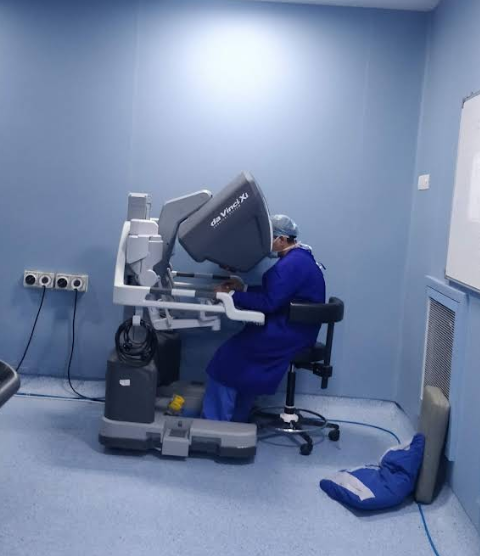
In recent years, surgical science has witnessed a remarkable transformation. Traditional open surgeries, which once required large incisions and long recovery periods, are now increasingly being replaced by advanced minimally invasive techniques. Among these innovations, robotic-assisted procedures have emerged as a revolutionary approach, combining precision technology with surgical expertise to improve patient outcomes.
One of the most advanced and widely discussed techniques in this field is robotic laparoscopic surgery. This modern surgical method is redefining how complex procedures are performed, offering patients faster recovery, reduced pain, and significantly lower risk of complications.
In this guest post, we will explore what this technology is, how it works, its advantages, applications, and why it is becoming the preferred choice for many surgeons and patients worldwide.
Understanding Robotic Laparoscopic Surgery
To understand this innovation, it is important to first break down the concept.
Laparoscopic surgery, also known as keyhole surgery, involves making small incisions through which a camera and specialized surgical instruments are inserted. This allows surgeons to operate inside the body without making large cuts.
Robotic assistance takes this a step further. Instead of directly handling instruments with their hands, surgeons control robotic arms from a console. These robotic systems translate the surgeon’s hand movements into precise micro-movements inside the patient’s body.
This combination of human expertise and robotic precision is what makes the procedure so powerful and effective.
How the Procedure Works
Robotic-assisted surgical systems typically consist of three main components:
1. Surgeon Console
The surgeon sits at a console equipped with a high-definition 3D display. From here, they control every movement of the robotic arms using hand and foot controls.
2. Patient Cart with Robotic Arms
These arms hold surgical instruments and a camera. They mimic the surgeon’s movements but with enhanced precision, stability, and flexibility.
3. Vision System
A magnified 3D camera provides a detailed view of the surgical area, allowing the surgeon to see even the smallest structures with clarity.
The system filters out natural hand tremors and enables smoother, more accurate movements than traditional methods.
Key Advantages of Robotic Laparoscopic Surgery
The rise in popularity of this technique is not accidental. It offers several significant benefits over conventional surgery.
1. Minimal Invasion, Maximum Precision
Smaller incisions mean less trauma to the body. This reduces bleeding, lowers infection risk, and minimizes scarring.
2. Faster Recovery Time
Patients typically recover much faster compared to open surgeries. Many return to normal activities within days or weeks rather than months.
3. Reduced Pain and Discomfort
Since the incisions are small and tissue damage is minimal, postoperative pain is significantly reduced.
4. Enhanced Surgical Accuracy
Robotic systems eliminate hand tremors and allow for extremely precise movements, especially in delicate or complex procedures.
5. Shorter Hospital Stay
Many patients can be discharged sooner, reducing hospital costs and improving overall comfort.
Applications in Modern Medicine
Robotic-assisted techniques are now used across multiple medical specialties. Some of the most common applications include:
- Urological surgeries (such as prostate procedures)
- Gynecological surgeries (including hysterectomies)
- Gastrointestinal surgeries
- Cancer-related tumor removals
- Cardiac procedures in certain advanced cases
The versatility of this technology makes it suitable for both simple and highly complex operations.
Why Surgeons Prefer This Technology
Surgeons around the world are increasingly adopting robotic systems due to the enhanced control and visualization they offer.
Traditional laparoscopy, while effective, has limitations in terms of movement flexibility. Robotic systems overcome this by providing wrist-like motion inside the body, allowing surgeons to perform intricate tasks that would otherwise be extremely difficult.
Additionally, the ergonomic design reduces surgeon fatigue, especially during long procedures.
Patient Experience and Safety
From a patient’s perspective, this surgical approach offers a more comfortable and reassuring experience.
Before surgery, patients undergo standard diagnostic evaluations to determine suitability. During the procedure, the surgeon remains in full control at all times, ensuring safety and precision.
Post-surgery, patients typically experience:
- Less postoperative pain
- Minimal scarring
- Reduced risk of infection
- Quicker return to daily life
These benefits collectively contribute to higher patient satisfaction rates.
Technological Advancements Driving Growth
The evolution of robotic systems has been driven by continuous technological improvements, including:
- Artificial intelligence-assisted imaging
- Enhanced 3D visualization
- Improved instrument flexibility
- Better motion scaling and stability systems
These advancements are making surgeries safer, faster, and more efficient than ever before.
Challenges and Limitations
While the benefits are significant, it is also important to acknowledge certain limitations:
- High initial cost of robotic systems
- Requirement for specialized training
- Limited availability in smaller healthcare centers
Despite these challenges, the technology continues to expand as more hospitals invest in advanced surgical infrastructure.
The Future of Robotic Surgery
The future of surgery is clearly moving toward greater automation and precision. Experts believe that robotic systems will become even more intelligent, potentially integrating machine learning to assist surgeons in real-time decision-making.
We may also see increased accessibility, making advanced surgical care available to a wider population across different regions.
As technology continues to evolve, the gap between human skill and robotic precision will narrow even further, creating safer and more efficient surgical environments.
A Trusted Destination for Advanced Surgical Care
For patients seeking advanced minimally invasive surgical solutions, modern healthcare facilities equipped with robotic systems are becoming increasingly important.
These facilities focus on combining expert medical care with cutting-edge technology to ensure the best possible outcomes for patients.
Conclusion
Robotic-assisted surgical techniques represent a major leap forward in modern medicine. By combining human expertise with advanced robotics, surgeons are now able to perform complex procedures with greater precision, safety, and efficiency.
From reduced recovery times to improved surgical accuracy, the benefits of this technology are reshaping patient care across the world. As innovation continues to progress, robotic systems are expected to play an even larger role in the future of healthcare.
In essence, this is not just a technological upgrade—it is a complete transformation of how surgery is performed, making treatments safer, faster, and more effective for everyone involved.