


Fallout 76 offers a fresh perspective on the post-apocalyptic role-playing experience by focusing on the fragile moment when survivors first attempt to rebuild. Set in the ruined yet vibrant landscape of Appalachia, the game places players into a world that feels unsettled and full of unanswered questions. Rather than presenting a static wasteland, Fallout 76 creates an environment that evolves through exploration, interaction, and persistence.
The world design plays a crucial role in shaping the game’s identity. Appalachia is vast, colorful, and surprisingly alive, with forests, mountains, and rivers spreading across the map. This natural beauty contrasts sharply with abandoned towns, collapsed highways, and decaying factories. The result is a setting that feels both haunting and hopeful. Exploration is encouraged through open-ended design, allowing players to wander freely and discover stories hidden within the environment. Every location feels intentional, often revealing fragments of history through visual clues instead of direct narration.
Survival mechanics ground the experience in tension and realism. Players must carefully manage resources, craft equipment, and adapt to environmental threats. Radiation zones, hostile creatures, and unpredictable encounters demand preparation and strategy. Early gameplay emphasizes vulnerability, making even simple tasks feel risky. As players gain experience, they learn how to survive more efficiently, turning fear into confidence. This progression reinforces the sense of personal growth and adaptation within a harsh world.
Fallout 76 stands apart from earlier entries through its shared online structure. Other players inhabit the same wasteland, creating a dynamic social environment. Encounters can be cooperative, cautious, or quietly supportive. Large public events often bring strangers together, encouraging teamwork against powerful enemies. These moments highlight the importance of collaboration and add a layer of unpredictability to the world. Even brief interactions help reinforce the idea that rebuilding society requires more than one survivor.
Narrative depth expanded with the introduction of Wastelanders, which brought human characters back into the game. This update added meaningful dialogue, moral choices, and faction conflicts that strengthened the role-playing elements. Players are no longer just uncovering stories from the past, but actively shaping the present. Decisions influence relationships and outcomes, giving weight to actions and reinforcing the idea that the future of the wasteland is still being written.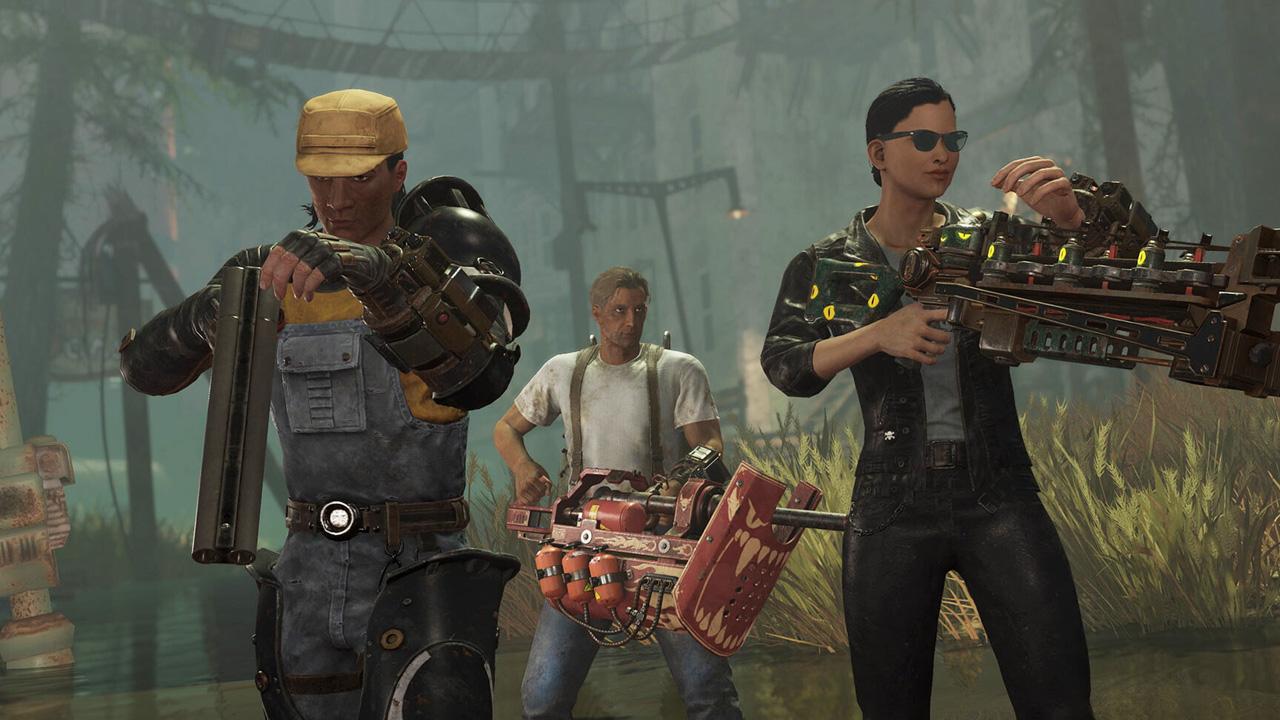
Base building further emphasizes creativity and renewal. Camps serve as shelters, crafting hubs, and personal expressions of survival. Each camp reflects the priorities of its builder, whether focused on defense, efficiency, or decoration. Encountering another player’s camp can feel like discovering a small sign of restored civilization, offering comfort and functionality in an otherwise dangerous land.
Fallout 76 Boosting continues to grow through updates and community involvement, steadily refining its systems and expanding its world. Its greatest strength lies in its atmosphere of uncertainty and possibility. By combining exploration, survival, and shared experiences, Fallout 76 tells a story not just about enduring the end of the world, but about learning how to live again in its aftermath.