


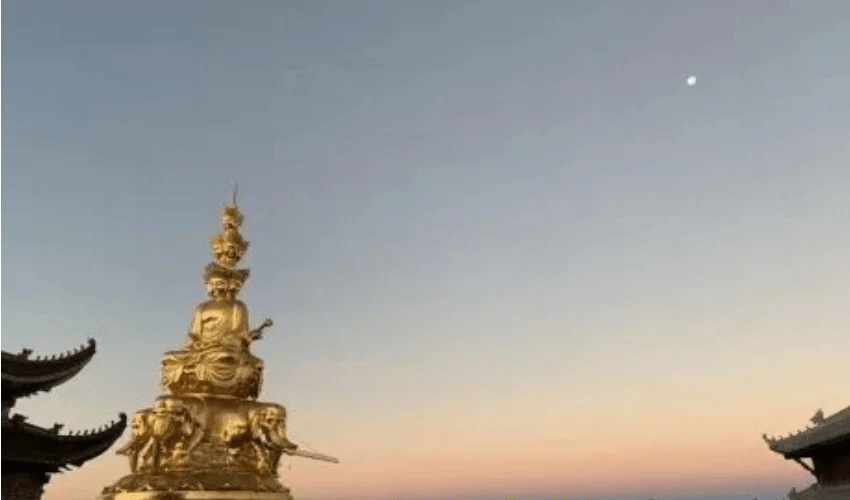
Mount Emei serves as a premier destination for those seeking a profound connection with both ancient history and the raw power of nature. Planning your visit effectively is the cornerstone of a memorable experience, starting with the logistics of your arrival. Identifying the best recommended travel routes from chengdu to mount emei is your first priority, with the high-speed rail network providing the most efficient and comfortable connection from Chengdu to the mountain’s base in just over an hour.
Seamless Integration of Sight and Spirit
The mountain is structured into several distinct zones, ranging from the lush, lower forests near Baoguo Temple to the snow-dusted, ethereal atmosphere of the Golden Summit. Because the scenic area spans such a wide range of elevations—climbing over 3,000 meters—it is vital to approach the terrain with a clear plan. By utilizing the official internal shuttle bus system and the available cable cars, travelers can bypass the most grueling sections of the trail, allowing for more time spent at the summit's historic temples rather than strictly on the climb.
Structuring Your Time on the Mountain
To ensure you see the highlights without feeling overwhelmed by the scale of the site, crafting a detailed mount emei tourism itinerary is essential for a balanced trip. A two-day schedule is widely considered ideal, allowing you to spend the first day exploring the cultural heritage of the mid-mountain temples like Wannian Temple and the second day dedicated to the sunrise and the panoramic vistas from the Golden Summit. This paced approach mitigates the physical impact of the altitude while maximizing your chances of seeing the famous "Sea of Clouds."
Choosing Your Path to the Peak
Navigating the various tourist routes on mount emei requires an understanding of your own stamina and time constraints. While the full mountain hike is a legendary test of endurance for hardcore trekkers, the majority of visitors opt for a hybrid strategy: riding the eco-bus to Leidongping and then completing the final leg via cable car. This route offers a perfect compromise, letting you witness the mountain’s diverse flora and famous macaque populations without requiring the physical toll of a multi-day ascent.
Managing the High-Altitude Climate
The weather at Mount Emei is notorious for its unpredictability. Temperatures at the summit can be significantly lower than at the base, and sudden mist is a common occurrence. Always prepare by bringing layers of clothing and a high-quality, wind-resistant outer shell. Sturdy, waterproof hiking boots are also a necessity, as the stone paths can be slick. Keeping your bag light but well-stocked with water and energy-dense snacks will keep you fueled as you transition between the various micro-climates of the mountain.
Engaging with Local Wildlife
The wild macaques of Mount Emei are a unique feature of the landscape, but they require cautious interaction. These animals are accustomed to human presence and can be quite assertive when looking for food. Never carry open bags or dangling items that might catch their attention, and avoid trying to feed them directly. Observing them from a distance is the safest way to enjoy their presence while ensuring that you do not become a target for their scavenging behavior.
Sustainable Tourism and Etiquette
As a protected UNESCO World Heritage site, Mount Emei relies on the respectful behavior of its guests to maintain its pristine condition. Please adhere to the principle of "leave no trace" by carrying all your waste off the mountain. When visiting the many Buddhist shrines and monasteries, remember to speak in hushed tones, dress modestly, and follow the local rules regarding photography and prayer areas. These small gestures show reverence for the site’s status as a living, sacred space.
Conclusion
A visit to Mount Emei is a rewarding journey that offers a rare blend of spiritual contemplation and physical exploration. By choosing a high-speed transit route, structuring your time with a thoughtful itinerary, and respecting the environment and its wildlife, you can transform a standard vacation into an unforgettable pilgrimage. Whether you find your peace in the quiet shadows of an ancient temple or atop the clouds at the Golden Summit, the mountain provides a perspective that lingers long after you have descended back to the lowlands.
Frequently Asked Questions
Are there convenient ways to avoid the crowds during peak seasons?
Yes, the best strategy to avoid crowds is to start your day as early as possible—ideally catching the first shuttle buses from the base—and planning your visit during the shoulder seasons if possible.
How should I handle the rapid change in altitude?
The most effective way to handle altitude is to ascend slowly, stay well-hydrated, and take frequent, short breaks rather than pushing for a continuous, fast climb.
Can I store my luggage while I explore the mountain?
Yes, most hotels near the Baoguo Temple entrance or the Emeishan train station offer luggage storage services for travelers who are only heading up for a day or two.
Is it safe to drink the mountain water?
It is not recommended to drink from mountain springs or streams; always carry a supply of bottled or filtered water with you for the duration of your hike.
What is the most effective way to reach the Golden Summit?
The most efficient route is taking the internal shuttle bus from the base to the Leidongping station, walking to Jieyin Palace, and utilizing the Jinding Cable Car to reach the summit plateau.