


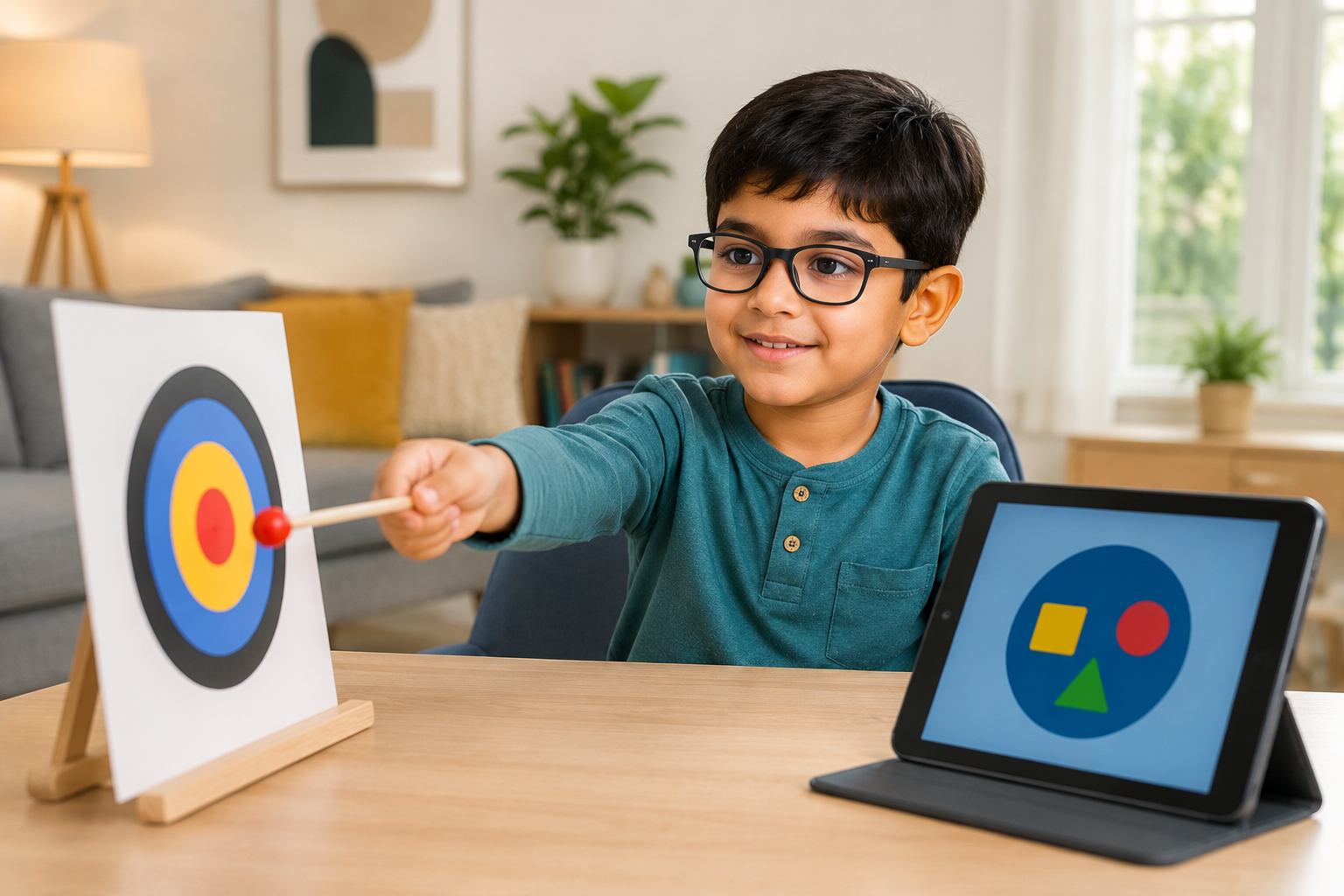
Vision plays an important role in how we learn, work, and interact with the world around us. When one eye does not develop normal visual ability during childhood, it can lead to a condition known as amblyopia, often referred to as “lazy eye.” This condition affects visual development and may impact depth perception and overall eyesight if left unaddressed.
The encouraging news is that early care can make a significant difference. With timely diagnosis and appropriate management, many individuals experience meaningful improvements in visual function and eye coordination.
Understanding Amblyopia
Amblyopia is a vision development condition where one eye sends weaker visual signals to the brain than the other. Over time, the brain begins to rely more heavily on the stronger eye, which can reduce visual performance in the weaker eye.
This condition commonly develops during infancy or early childhood, making regular eye examinations important during the growing years.
Some common causes include:
-
Misaligned eyes (strabismus)
-
Significant difference in prescription between the two eyes
-
Severe farsightedness or nearsightedness
-
Visual obstruction caused by conditions affecting the eye
Recognizing these factors early can support better visual development outcomes.
Why Early Detection Matters
Children may not always realize that one eye is seeing differently because the stronger eye often compensates for the weaker one. As a result, the condition may go unnoticed without a professional eye examination.
Early intervention allows the brain and eyes to work together more effectively while visual pathways are still developing. This is why pediatric vision screenings and comprehensive eye exams are often recommended during childhood.
Parents and caregivers should watch for signs such as:
-
Frequent squinting
-
Head tilting while focusing
-
Poor depth perception
-
Eyes that do not appear aligned
-
Difficulty tracking moving objects
Prompt evaluation can help identify vision concerns before they affect daily activities and learning.
Available Care Options
Modern vision care offers several approaches designed to encourage stronger visual development.
In many cases, amblyopia treatment focuses on helping the brain use the weaker eye more effectively. The specific approach depends on the individual's age, visual needs, and underlying cause.
One common strategy involves correcting refractive errors through prescription glasses. Proper visual correction helps provide clear images to both eyes and supports balanced vision development.
Another widely used form of amblyopia treatment encourages the weaker eye to work more actively. This can help strengthen visual processing and improve coordination between the eyes over time.
Vision Therapy and Visual Training
Structured visual exercises may be recommended to enhance eye coordination, focusing ability, and visual processing skills.
These programs can include activities that help train:
-
Eye tracking
-
Depth perception
-
Visual attention
-
Hand-eye coordination
-
Binocular vision
Many modern approaches now incorporate interactive digital tools that make visual training engaging and accessible.
Digital Innovations in Vision Care
Technology continues to create new opportunities for visual rehabilitation.
Today, some programs use:
-
Interactive visual exercises
-
Computer-based vision training
-
Gamified visual activities
-
Personalized therapy plans
-
Remote monitoring tools
These innovations help create a more engaging experience while supporting consistent practice and progress tracking.
Can Vision Improve with Early Care?
Research and clinical experience suggest that visual improvement is often more successful when intervention begins early.
The developing brain has a remarkable ability to adapt and strengthen visual connections during childhood. When appropriate care is introduced at the right time, the weaker eye can receive increased stimulation and support.
Benefits of early intervention may include:
-
Improved visual clarity
-
Better eye coordination
-
Enhanced depth perception
-
Stronger visual processing
-
Greater confidence in daily activities
While outcomes vary from person to person, starting care sooner generally provides more opportunities for positive visual development.
Supporting Visual Development at Home
Families can play an important role in encouraging healthy visual habits.
Helpful practices may include:
-
Attending scheduled eye examinations
-
Following prescribed care plans consistently
-
Encouraging visual activities and reading
-
Limiting excessive screen exposure when recommended
-
Monitoring changes in visual behavior
Consistency often contributes to better long-term results.
When Should You Seek Professional Advice?
If a child shows signs of visual difficulty or if there is a family history of vision conditions, scheduling a comprehensive eye examination is a valuable step.
Early assessments help identify concerns before they begin affecting learning, sports participation, or everyday tasks. Even when no obvious symptoms are present, routine eye exams can support healthy visual development.
Professional guidance ensures that any visual challenges are identified and addressed with an individualized approach.
Conclusion
Healthy vision development begins with awareness and timely attention. Identifying visual concerns early allows children and families to access supportive care during an important stage of growth.
With modern vision care approaches, personalized training strategies, and ongoing professional guidance, many individuals can work toward stronger visual function and improved eye coordination. Taking action at the right time can make a meaningful difference in long-term visual development and everyday quality of life.
FAQs
What is the main cause of lazy eye?
Lazy eye can develop due to eye misalignment, unequal vision between the eyes, significant refractive errors, or conditions that obstruct normal vision development.
At what age should children have an eye examination?
Children should receive vision screenings during early childhood, and comprehensive eye exams may be recommended based on age, symptoms, or family history.
Can adults benefit from vision improvement programs?
Some adults may experience improvements in certain visual skills through structured visual training and professional guidance, depending on their specific situation.
How do glasses help with visual development?
Prescription glasses provide clearer visual input, helping both eyes work together more effectively and supporting balanced vision.
Are digital vision training tools commonly used today?
Yes. Many modern vision care programs incorporate digital exercises, interactive activities, and personalized training methods to support visual development.