


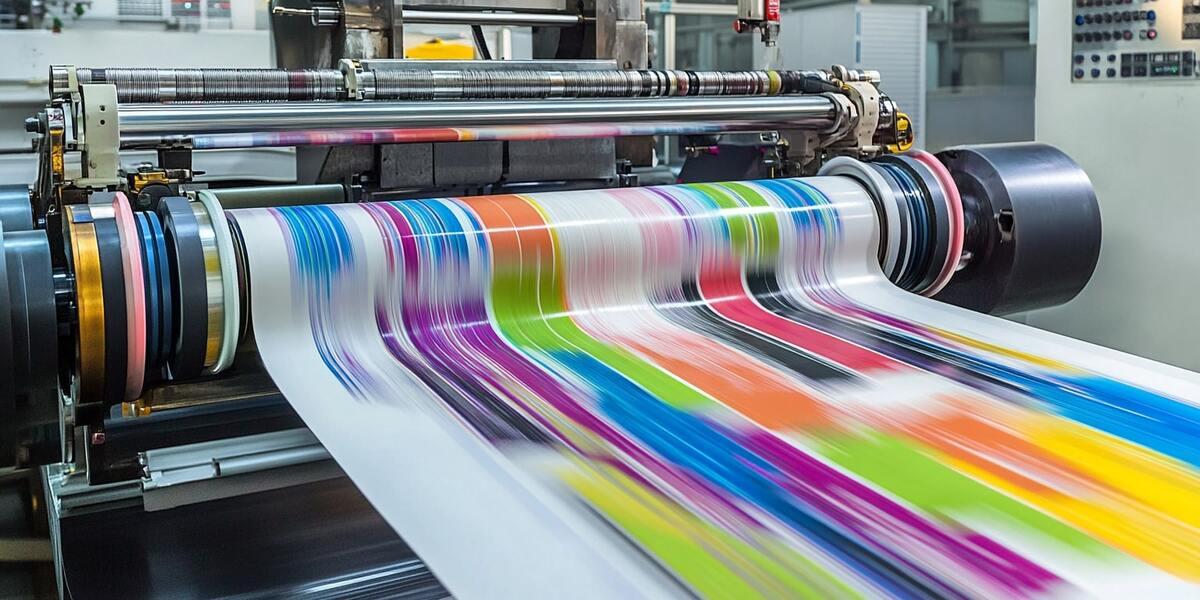
In the modern printing industry, offset printing remains the gold standard for producing high-volume, high-quality printed materials with unmatched precision, consistency, and cost-efficiency. We rely on offset printing when superior color accuracy, crisp detail, and large production runs are essential. From corporate brochures and magazines to product packaging and catalogs, this method continues to dominate the commercial print landscape.
In this comprehensive guide, we explore everything about offset printing technology, its process, benefits, materials, applications, and why it remains the preferred choice for professional printing projects worldwide, and offset printing vs digital printing.
What Is Offset Printing?
Offset printing, also known as offset lithography, is a traditional printing technique where ink is transferred (or “offset”) from a metal plate to a rubber blanket and then onto the printing surface. Unlike digital printing, which applies ink directly to paper, offset printing uses a multi-step transfer process to achieve extremely sharp and consistent results.
The process is based on a simple principle: oil and water do not mix. The printing plate is treated so that image areas attract ink while non-image areas repel it. This ensures precise ink placement and exceptional clarity in the final product.
How Offset Printing Works: Step-by-Step Process
1. Prepress Preparation
We begin with file preparation and plate creation. High-resolution artwork is separated into color components using the CMYK color model (Cyan, Magenta, Yellow, and Black). Each color requires a separate metal plate.
2. Plate Mounting
The metal plates are mounted onto plate cylinders inside the printing press. Each plate corresponds to one color layer.
3. Ink and Water Application
Rollers apply water to the plate first, covering non-image areas. Then, ink rollers apply oil-based ink, which adheres only to the image areas.
4. Offset Transfer to Rubber Blanket
The inked image is transferred from the plate to a rubber blanket cylinder. This “offsetting” step ensures smooth application on various surfaces.
5. Final Transfer to Paper
The rubber blanket presses the inked image onto the paper or substrate, producing a clean, sharp print.
This process repeats rapidly, enabling high-speed mass production with consistent color reproduction.
Advantages of Offset Printing
1. Exceptional Print Quality
Offset printing produces sharp images, fine details, and smooth color gradients. The precision of plate-based printing ensures consistent results throughout large runs.
2. Cost-Effective for Large Volumes
While initial setup costs are higher due to plate creation, the cost per unit decreases significantly with higher quantities, making it ideal for bulk printing.
3. Accurate Color Reproduction
Using the CMYK model and Pantone matching systems, offset printing achieves true-to-brand color accuracy across thousands of copies.
4. Versatile Material Compatibility
Offset printing works on various materials, including:
-
Coated and uncoated paper
-
Cardstock
-
Recycled paper
-
Specialty textured stocks
-
Packaging boards
5. Clean and Professional Finish
The rubber blanket system ensures smooth ink application, even on rough surfaces, resulting in a premium, professional appearance.
Types of Offset Printing
Sheet-Fed Offset Printing
In this method, individual sheets of paper are fed into the press. It is ideal for:
-
Brochures
-
Posters
-
Business cards
-
Flyers
Web Offset Printing
Web offset uses large rolls of paper instead of individual sheets. It is suitable for:
-
Newspapers
-
Large-volume magazines
-
High-circulation publications
Web offset printing offers faster production speeds and lower costs for extremely high volumes.
Applications of Offset Printing in Various Industries
Commercial Publishing
Offset printing is widely used for:
-
Books
-
Magazines
-
Newspapers
-
Journals
Its consistency ensures every copy matches the original proof.
Packaging Industry
For product boxes, labels, and retail packaging, offset printing provides:
-
Vibrant colors
-
Durable ink adhesion
-
High-resolution graphics
Corporate Marketing Materials
Companies rely on offset printing for:
-
Annual reports
-
Corporate brochures
-
Presentation folders
-
Stationery
The refined finish enhances brand credibility and professionalism.
Paper and Ink Options in Offset Printing
Paper Types
Choosing the right paper enhances the final output. Common options include:
-
Gloss-coated paper for vibrant images
-
Matte-coated paper for softer visuals
-
Uncoated paper for natural texture
-
Recycled paper for eco-conscious branding
Ink Types
Offset printing supports various ink types:
-
Standard oil-based inks
-
Soy-based eco-friendly inks
-
Metallic inks
-
Fluorescent inks
-
Pantone spot colors
These options allow us to customize every project to meet specific branding and aesthetic requirements.
Finishing Techniques That Elevate Offset Printing
To enhance visual appeal and durability, we incorporate finishing processes such as:
-
Lamination (gloss or matte)
-
UV coating
-
Embossing and debossing
-
Foil stamping
-
Die-cutting
-
Varnishing
These finishing techniques add texture, shine, and protective layers, creating a premium tactile experience.
Environmental Considerations in Offset Printing
Modern offset printing has evolved to become more environmentally responsible. We implement:
-
Soy-based inks
-
Recycled paper stocks
-
Water-based coatings
-
Waste reduction practices
Sustainable printing solutions reduce environmental impact while maintaining high-quality standards through customized packaging design.
Why Offset Printing Remains Industry Standard
Despite advancements in digital printing, offset printing continues to dominate because of:
-
Unmatched scalability
-
Consistent color reproduction
-
Cost efficiency at scale
-
Superior image sharpness
-
Professional-grade finish
For businesses seeking long-term brand consistency and cost-effective mass production, offset printing delivers measurable advantages.
How to Choose the Right Offset Printing Service
Selecting a professional offset printing partner requires careful consideration of:
-
Printing equipment quality
-
Color calibration systems
-
Paper and ink options
-
Finishing capabilities
-
Production turnaround times
-
Quality control standards
We prioritize precision, reliability, and technical expertise to ensure every project meets the highest industry standards.
Future of Offset Printing Technology
Offset printing continues to innovate with:
-
Computer-to-plate (CTP) technology
-
Automated color management systems
-
Faster press speeds
-
Eco-friendly production processes
-
Hybrid printing integration
These advancements ensure offset printing remains competitive, efficient, and adaptable to modern business demands.
Conclusion
Offset printing stands as the cornerstone of commercial and industrial printing solutions. Its ability to produce high-resolution images, consistent color quality, and cost-effective large-volume outputs makes it indispensable for businesses and publishers alike. From corporate marketing materials to large-scale packaging production, offset printing offers unmatched reliability and visual impact.
By combining advanced technology, superior materials, and professional finishing techniques, we ensure that every printed piece reflects excellence, durability, and brand precision. When quality, scale, and consistency matter, offset printing remains the ultimate solution.