


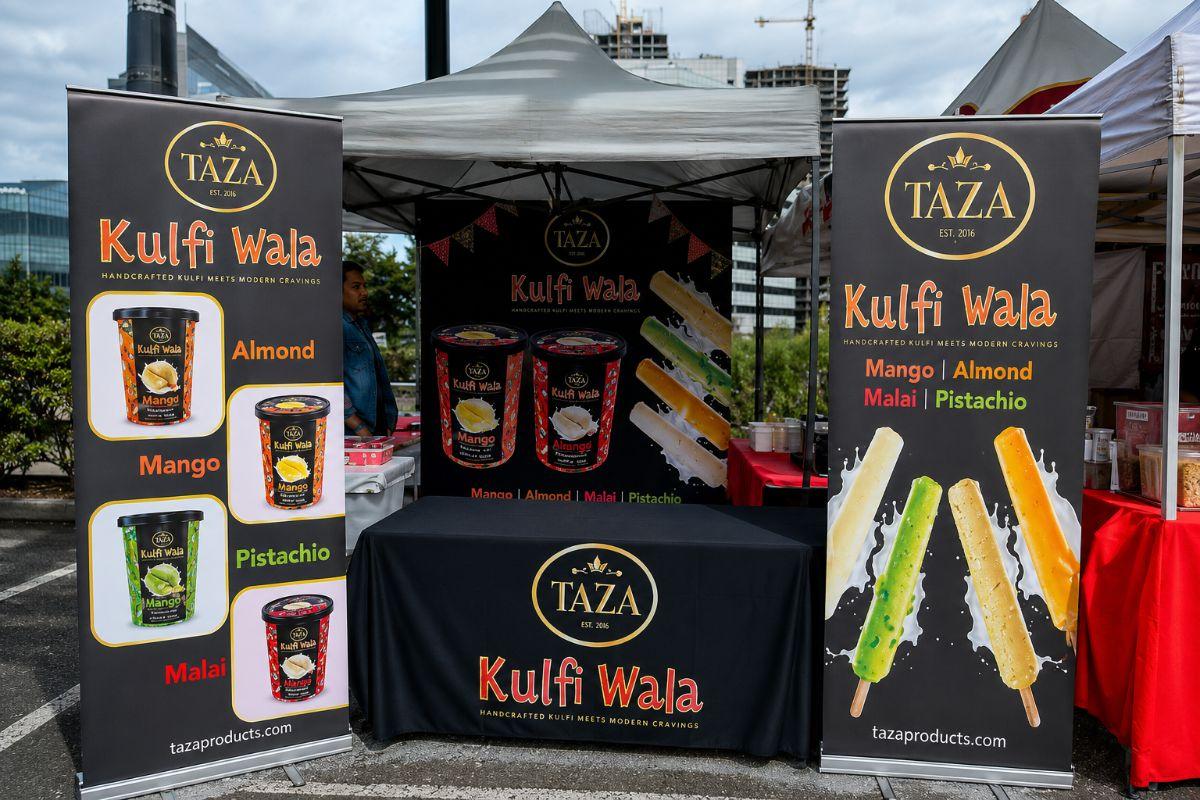
There's something deeply nostalgic about authentic kulfi the dense, creamy texture, the rich aroma of cardamom and pistachios, and that distinct melt-in-your-mouth experience that simply can't be replicated by regular ice cream. For generations, kulfi has held a special place in South Asian dessert culture, often associated with summer evenings, street vendors, and family gatherings.But in today's market, where countless frozen desserts claim to be "authentic," it's becoming increasingly difficult to find kulfi that actually tastes like the real thing. Mass-produced alternatives often cut corners on ingredients, rushing the process and sacrificing that signature richness true kulfi is known for. In this guide, we'll explore what makes kulfi genuinely authentic, why it differs so dramatically from regular ice cream, and how to identify quality kulfi worth seeking out.
What Exactly Is Authentic Kulfi?
Kulfi is a traditional frozen dairy dessert that originated in the Indian subcontinent centuries ago, long before modern ice cream-making techniques existed. Unlike regular ice cream, which is churned to incorporate air and create a light, fluffy texture, kulfi is made by slowly simmering milk until it thickens and reduces significantly, then freezing it without churning.
This lack of churning is precisely what gives authentic kulfi its dense, creamy consistency — far richer and heavier than typical ice cream. The slow reduction process also intensifies the milk's natural sweetness and flavor, creating a depth that simply cannot be rushed or replicated through shortcuts.
Traditionally, kulfi is set in conical molds, giving it that iconic shape, and is often flavored with ingredients like cardamom, saffron, pistachios, almonds, or rose water — flavors deeply rooted in South Asian culinary tradition.
Why Authentic Kulfi Tastes So Different From Regular Ice Cream
If you've ever wondered why kulfi feels like such a distinct experience compared to standard ice cream, the answer lies in both technique and ingredients.
1. No Churning Process
Ice cream gets its light, airy texture from constant churning during freezing, which incorporates air into the mixture. Kulfi skips this step entirely, resulting in a much denser, richer bite.
2. Slow Milk Reduction
Authentic kulfi requires hours of simmering milk on low heat until it reduces significantly, concentrating the natural milk sugars and creating that distinctive caramelized depth of flavor.
3. Minimal Additives
True kulfi relies on real, simple ingredients — full-fat milk, sugar, and natural flavorings — rather than stabilizers, artificial flavoring, or excessive air content used in mass-produced frozen desserts.
4. Traditional Flavor Profiles
While modern ice cream often leans toward sweet, fruity, or chocolate-based flavors, authentic kulfi celebrates traditional South Asian flavors like cardamom, saffron, rose, and roasted nuts — flavors that carry genuine cultural significance.
The Cultural Significance of Kulfi
Kulfi isn't just a dessert — it's a piece of culinary heritage. Street vendors selling kulfi have been a common sight across South Asian cities for generations, often using traditional clay pots or matka-style freezing methods that further enhance flavor through natural evaporation and temperature control.
Family gatherings, weddings, and festive celebrations across the region have long featured kulfi as a beloved treat, passed down through recipes that prioritize patience and quality over speed and mass production. This cultural weight is exactly why so many people specifically seek out "authentic" kulfi rather than settling for generic frozen dessert alternatives that merely borrow the name without honoring the tradition.
How to Identify Genuinely Authentic Kulfi
With so many products labeled "kulfi" on the market today, here's how to separate the real deal from imitations.
Check the Texture
Authentic kulfi should feel dense and slightly icy on the outside while remaining creamy throughout — not light, fluffy, or airy like regular ice cream.
Look at the Ingredient List
Real kulfi typically contains simple ingredients: full-fat milk, sugar, and natural flavorings like cardamom or saffron. Be cautious of products listing excessive stabilizers, artificial colors, or vegetable fats replacing real dairy.
Consider the Shape and Presentation
While not always definitive, traditional kulfi often comes in that classic conical shape, reflecting its mold-based preparation method rather than the pre-packaged tub format common with regular ice cream.
Taste for Genuine Depth of Flavor
Authentic kulfi should have a noticeably rich, slightly caramelized milk flavor underlying whatever primary flavor (pistachio, mango, cardamom) is featured — a depth that's difficult to fake with shortcuts.
Ask About Preparation Methods
If you're buying from a specific brand or vendor, don't hesitate to ask how their kulfi is made. Genuine producers are usually proud to explain their traditional process.
Popular Authentic Kulfi Flavors Worth Trying
While plain malai (cream) kulfi remains a beloved classic, there are several traditional flavor variations worth exploring:
Pistachio Kulfi — Featuring crushed pistachios throughout, offering a slightly nutty, rich flavor alongside the classic creamy base.
Mango Kulfi — A seasonal favorite that combines the natural sweetness of ripe mangoes with kulfi's signature dense texture.
Saffron Kulfi (Kesar Kulfi) — Infused with real saffron strands, offering a subtly aromatic, slightly floral flavor profile alongside a beautiful golden hue.
Rose Kulfi — Delicately flavored with rose water, offering a fragrant, slightly sweet variation popular in many traditional households.
Falooda Kulfi — A more elaborate dessert combining kulfi with vermicelli noodles, basil seeds, and rose syrup, often served as a more indulgent treat.
Each flavor reflects different aspects of South Asian culinary tradition, making kulfi a surprisingly versatile dessert despite its simple core preparation method.
What Makes The Kulfi Wala Stand Out in Authenticity
When searching for genuinely authentic kulfi, The Kulfi Wala has built a strong reputation for staying true to traditional preparation methods rather than taking modern shortcuts. Rather than relying on artificial stabilizers or rushed freezing techniques, The Kulfi Wala focuses on the slow milk reduction process that defines real kulfi — resulting in that dense, rich texture true kulfi lovers immediately recognize.
What makes The Kulfi Wala particularly notable is the commitment to traditional flavor profiles. Rather than chasing modern dessert trends, the focus remains on classic combinations like cardamom, pistachio, and saffron — flavors that honor kulfi's cultural roots while still appealing to contemporary dessert lovers looking for something genuinely different from regular ice cream.
For anyone who grew up with memories of authentic kulfi from family gatherings or street vendors, The Kulfi Wala offers a way to revisit that experience without compromise — real ingredients, patient preparation, and flavors that taste exactly the way they're supposed to.
Common Mistakes People Make When Buying Kulfi
Even dessert enthusiasts occasionally fall for marketing over substance. Here's what to watch out for.
Assuming all "kulfi-flavored" products are authentic. Some companies simply add kulfi flavoring to standard ice cream bases rather than using traditional preparation methods — always check texture and ingredients.
Choosing based on price alone. Authentic kulfi requires time-intensive preparation, so unusually cheap options often indicate shortcuts in ingredients or process.
Not checking for real dairy content. Some mass-produced versions substitute vegetable fats for real milk, significantly affecting both taste and nutritional value.
Ignoring texture as a quality indicator. If a "kulfi" feels light and airy rather than dense, it likely wasn't prepared using traditional non-churned methods.
Overlooking flavor authenticity. Be cautious of overly artificial-tasting flavors that lack the subtle complexity genuine spice and nut-based kulfi flavors typically offer.
How to Properly Store and Serve Kulfi
Getting the most out of authentic kulfi also depends on proper handling.
-
Keep it frozen until ready to serve, as kulfi's dense texture means it doesn't hold up well at room temperature for extended periods.
-
Let it sit for 2-3 minutes after removing from the freezer to slightly soften before serving, making it easier to slice or unmold.
-
If unmolding from a traditional cone shape, briefly run the mold under warm water to loosen it before sliding the kulfi out.
-
Garnish with chopped nuts or saffron strands just before serving to enhance both presentation and flavor.
-
Consume within a reasonable timeframe after purchase, as kulfi quality can diminish with extended freezer storage due to ice crystal formation.
Why Authentic Preparation Methods Truly Matter
It's easy to underestimate just how much preparation technique affects the final product, but with kulfi, the difference is genuinely significant. The slow reduction process doesn't just create texture — it develops flavor complexity that simply cannot be replicated through faster, modern shortcuts.
This is exactly why kulfi made through traditional methods tastes noticeably richer and more satisfying compared to mass-produced alternatives that prioritize speed and shelf life over genuine flavor development. For those who've experienced real, authentic kulfi, the difference is immediately apparent from the very first bite.
Final Thoughts
Authentic kulfi represents far more than just another frozen dessert option — it's a piece of culinary tradition that deserves to be experienced the way it was originally intended, with real ingredients, patient preparation, and genuine flavor depth. As mass-produced alternatives continue flooding the market, seeking out truly authentic kulfi becomes increasingly important for anyone who wants to experience this dessert as it's meant to be enjoyed.
Brands like The Kulfi Wala demonstrate exactly what that authenticity should look like — traditional preparation methods, real dairy, and flavors that honor kulfi's rich cultural heritage. Whether you're revisiting childhood memories or discovering kulfi for the first time, choosing authentic preparation over convenience makes all the difference in truly appreciating this timeless dessert.
Frequently Asked Questions (FAQs)
1. What makes kulfi different from regular ice cream?
Kulfi is made without churning, resulting in a denser texture, and involves slowly reducing milk to concentrate flavor, unlike ice cream which incorporates air during the churning process.
2. What are the most popular authentic kulfi flavors?
Classic flavors include malai (cream), pistachio, saffron (kesar), mango, and rose, each reflecting traditional South Asian dessert flavor profiles.
3. How can I tell if kulfi is made using authentic methods?
Look for a dense, creamy texture rather than light and airy consistency, along with simple ingredient lists featuring real dairy rather than artificial stabilizers or vegetable fats.
4. How should kulfi be stored for the best taste?
Kulfi should remain frozen until ready to serve and consumed within a reasonable timeframe to avoid ice crystal formation that can affect texture and flavor quality.
5. Is kulfi healthier than regular ice cream?
Kulfi often contains less added air and fewer artificial stabilizers compared to mass-produced ice cream, though it can still be calorie-dense due to its concentrated milk content and sugar levels.
6. Why does authentic kulfi take longer to prepare than regular ice cream?
The traditional process involves slowly simmering and reducing milk for hours to develop flavor and texture, a step that simply cannot be rushed without compromising authenticity.