


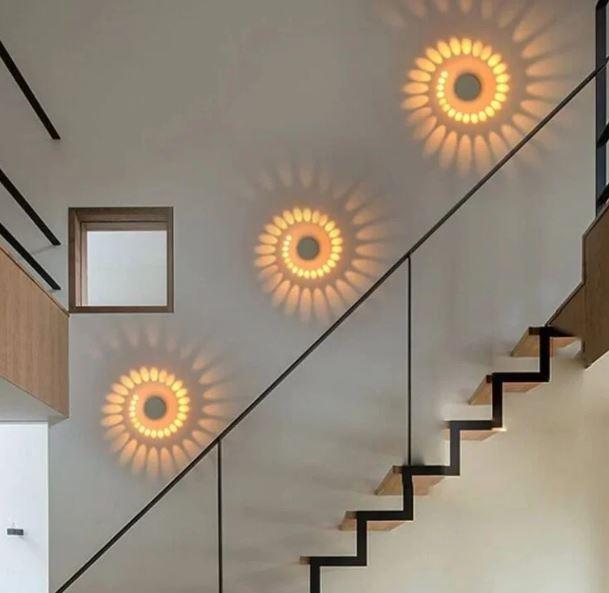
Lighting Installation Services: Enhancing Safety, Efficiency, and Aesthetic Appeal
Lighting is far more than a functional necessity it is a foundational element of architectural design, operational efficiency, and environmental sustainability. Professional lighting installation services ensure that lighting systems are strategically designed, correctly installed, and optimized for long-term performance. Whether for residential, commercial, or industrial properties, expert installation guarantees compliance with safety standards, energy efficiency, and aesthetic excellence.
What Are Lighting Installation Services?
Lighting installation services encompass the planning, design, wiring, fixture mounting, testing, and maintenance of lighting systems. These services may involve indoor and outdoor lighting, decorative installations, security lighting, landscape illumination, and energy-efficient upgrades.
Professional electricians and lighting specialists assess property requirements, evaluate electrical load capacity, and recommend appropriate lighting solutions tailored to the environment. This systematic approach ensures reliability and minimizes electrical hazards.
Types of Lighting Installation Services
1. Residential Lighting Installation
Home lighting significantly influences comfort and ambiance. Residential services typically include:
-
Ceiling lights and chandeliers
-
Recessed and track lighting
-
Kitchen and under-cabinet lighting
-
Landscape and garden lighting
-
Smart home lighting systems
Proper installation enhances visual appeal while improving functionality and energy savings. Modern homes often incorporate LED and smart lighting systems to control brightness and color temperature through mobile applications.
2. Commercial Lighting Installation
Commercial properties require lighting systems designed for productivity, safety, and regulatory compliance. Services often cover:
-
Office lighting layouts
-
Retail display lighting
-
Emergency and exit lighting
-
Parking lot illumination
-
Warehouse and industrial lighting
Businesses benefit from energy-efficient solutions such as LED retrofits and motion sensor systems that reduce operational costs. Well-designed commercial lighting improves employee performance and customer experience.
3. Outdoor and Landscape Lighting
Exterior lighting enhances security, visibility, and curb appeal. Installation services may include:
-
Pathway and driveway lighting
-
Floodlights and motion sensors
-
Architectural accent lighting
-
Garden and deck illumination
Professionally installed outdoor lighting is weather-resistant and strategically positioned to prevent glare while maximizing coverage.
Benefits of Professional Lighting Installation
1. Safety and Code Compliance
Electrical installations must adhere to local building codes and safety standards. Licensed professionals ensure proper wiring, load distribution, and grounding to prevent short circuits, overheating, or fire hazards.
2. Energy Efficiency
Modern lighting systems prioritize energy conservation. LED technology consumes significantly less electricity than traditional incandescent bulbs while providing longer lifespan and better illumination. Professional installers calculate optimal wattage and placement to maximize efficiency and reduce utility bills.
3. Improved Aesthetic Value
Lighting directly influences mood, ambiance, and architectural perception. Strategic layering of ambient, task, and accent lighting creates depth and sophistication within a space.
4. Long-Term Cost Savings
Though professional installation involves an upfront cost, it reduces the risk of frequent repairs, inefficient wiring, and premature equipment failure. Properly installed systems require less maintenance and offer higher durability.
The Lighting Installation Process
Step 1: Consultation and Assessment
The process begins with evaluating the client’s needs, property layout, and electrical infrastructure. Lighting objectives such as brightness levels, design preferences, and energy targets are clearly defined.
Step 2: Design and Planning
Technicians develop a structured lighting plan detailing fixture placement, wiring routes, and power distribution. Advanced projects may involve 3D lighting simulations.
Step 3: Installation
Qualified electricians install fixtures, wiring, control panels, and switches. Systems are tested thoroughly to ensure performance and safety.
Step 4: Final Inspection and Testing
After installation, a comprehensive inspection verifies code compliance, functionality, and user satisfaction.
Smart Lighting and Modern Trends
Technological advancements have transformed lighting systems. Smart lighting integrates with home automation platforms, allowing remote control, scheduling, and voice activation. Motion detection, dimming capabilities, and adaptive brightness features further enhance energy management and convenience.
Sustainable lighting solutions, including solar-powered outdoor fixtures and high-efficiency LEDs, align with environmental conservation goals and green building standards.
When to Hire a Professional Lighting Installer
Consider hiring professionals if:
-
You are upgrading to LED or smart lighting systems
-
Your project involves complex wiring or panel upgrades
-
You require commercial-grade installations
-
Safety compliance is mandatory
-
You want customized lighting design solutions
Attempting complex electrical installations without expertise can lead to costly errors and safety risks.
Conclusion
Lighting installation services play a critical role in enhancing safety, efficiency, and visual appeal across residential, commercial, and industrial spaces. Professional installation ensures compliance with electrical standards, optimizes energy consumption, and delivers aesthetically refined results.
Investing in expert lighting services is not merely about illumination—it is about creating functional, efficient, and inspiring environments that stand the test of time.