• #rsisb
    Roll no 159
    Foundation Level Student
    Date: 14 March 2026

    **Topic: “What’s the Matter?” – The Roots of Concern**

    Language is filled with simple questions that carry deep meaning, and one of the most common among them is the phrase **“What’s the matter?”**. At first glance, it seems like a short and ordinary question, yet behind these few words lies a long history of language, human curiosity, and emotional concern. The word **“matter”** originally referred to substance or material, but over time its meaning expanded to include issues, problems, or situations that require attention. Because of this shift in meaning, the phrase “What’s the matter?” gradually became a natural way for people to ask about the reason behind someone’s worry, sadness, confusion, or unusual behavior.

    Throughout history, people have used this question whenever they noticed something was wrong. It reflects an important human instinct: the desire to understand and help others. When someone looks upset, silent, or distracted, asking “What’s the matter?” becomes a gentle invitation for that person to share their thoughts or feelings. In many situations, this simple question opens the door to communication, support, and problem-solving. It shows that language is not only used to exchange information but also to express empathy and emotional awareness.

    However, the meaning of this phrase can change depending on the tone and situation in which it is spoken. When asked with kindness and patience, it can provide comfort and reassurance, encouraging someone to talk about what is troubling them. On the other hand, when spoken quickly or without real interest, it may sound like a routine or casual question rather than genuine concern. This shows how powerful tone, context, and body language are in shaping the true meaning of our words.

    Another interesting aspect of this phrase is its universality. In many cultures and languages, there are similar expressions used to ask about someone’s problem or emotional state. Although the exact words may differ, the purpose remains the same: to recognize when something seems wrong and to reach out with curiosity and care. This demonstrates that the desire to understand others’ difficulties is a shared human experience that goes beyond language barriers.

    In everyday life, questions like “What’s the matter?” remind us that communication is not just about speaking but also about noticing, listening, and responding with empathy. A small phrase can sometimes make a big difference in someone’s life because it signals that another person cares enough to ask and is willing to listen.

    Therefore, the phrase **“What’s the matter?”** is more than just a common question. It represents the connection between language and human emotion, showing how even the simplest words can carry deep meaning. By studying such expressions, we can better understand how language evolves and how people use it to build relationships, express concern, and support one another in times of difficulty.
    https://youtu.be/wvvG9dKMpyM
    #rsisb Roll no 159 Foundation Level Student Date: 14 March 2026 **Topic: “What’s the Matter?” – The Roots of Concern** Language is filled with simple questions that carry deep meaning, and one of the most common among them is the phrase **“What’s the matter?”**. At first glance, it seems like a short and ordinary question, yet behind these few words lies a long history of language, human curiosity, and emotional concern. The word **“matter”** originally referred to substance or material, but over time its meaning expanded to include issues, problems, or situations that require attention. Because of this shift in meaning, the phrase “What’s the matter?” gradually became a natural way for people to ask about the reason behind someone’s worry, sadness, confusion, or unusual behavior. Throughout history, people have used this question whenever they noticed something was wrong. It reflects an important human instinct: the desire to understand and help others. When someone looks upset, silent, or distracted, asking “What’s the matter?” becomes a gentle invitation for that person to share their thoughts or feelings. In many situations, this simple question opens the door to communication, support, and problem-solving. It shows that language is not only used to exchange information but also to express empathy and emotional awareness. However, the meaning of this phrase can change depending on the tone and situation in which it is spoken. When asked with kindness and patience, it can provide comfort and reassurance, encouraging someone to talk about what is troubling them. On the other hand, when spoken quickly or without real interest, it may sound like a routine or casual question rather than genuine concern. This shows how powerful tone, context, and body language are in shaping the true meaning of our words. Another interesting aspect of this phrase is its universality. In many cultures and languages, there are similar expressions used to ask about someone’s problem or emotional state. Although the exact words may differ, the purpose remains the same: to recognize when something seems wrong and to reach out with curiosity and care. This demonstrates that the desire to understand others’ difficulties is a shared human experience that goes beyond language barriers. In everyday life, questions like “What’s the matter?” remind us that communication is not just about speaking but also about noticing, listening, and responding with empathy. A small phrase can sometimes make a big difference in someone’s life because it signals that another person cares enough to ask and is willing to listen. Therefore, the phrase **“What’s the matter?”** is more than just a common question. It represents the connection between language and human emotion, showing how even the simplest words can carry deep meaning. By studying such expressions, we can better understand how language evolves and how people use it to build relationships, express concern, and support one another in times of difficulty. https://youtu.be/wvvG9dKMpyM
    0 Comments 0 Shares 835 Views
  • Why Do We Need to Sleep?

    Sleep is one of the most important things our body needs to stay healthy and strong . When we sleep, our body and brain are not just “resting” — they are working in a different way to repair, recharge, and refresh us .

    What Happens When We Sleep?

    Brain Reset: Our brain organizes memories and information. It helps us remember what we learned during the day .

    Body Repair: Muscles grow and repair. Cells fix themselves .

    Heart & Health Support: Blood pressure and heart rate slow down, giving the heart a rest .

    Stronger Immune System: Our body fights germs better when we get enough sleep .

    Better Mood: Sleep helps control emotions and reduces stress .

    Children and teenagers especially need more sleep because their bodies and brains are still growing .

    What Happens If We Don’t Sleep?

    If we don’t get enough sleep, many problems can happen :

    Feeling very tired during the day

    Mood swings and irritation

    Trouble focusing and remembering things

    Poor school performance

    Headaches and body weakness

    Slower reaction time

    Getting sick more often

    Feeling sad or stressed

    Long-term lack of sleep can affect heart health, weight, and mental well-being .
    https://youtu.be/_rJSh3ddV8g
    😴 Why Do We Need to Sleep? Sleep is one of the most important things our body needs to stay healthy and strong 💪✨. When we sleep, our body and brain are not just “resting” — they are working in a different way to repair, recharge, and refresh us 🔄🧠. 🌙 What Happens When We Sleep? 🧠 Brain Reset: Our brain organizes memories and information. It helps us remember what we learned during the day 📚✨. 💪 Body Repair: Muscles grow and repair. Cells fix themselves 🔧🩹. ❤️ Heart & Health Support: Blood pressure and heart rate slow down, giving the heart a rest ❤️. 🛡️ Stronger Immune System: Our body fights germs better when we get enough sleep 🤧🦠. 😊 Better Mood: Sleep helps control emotions and reduces stress 😌🌸. Children and teenagers especially need more sleep because their bodies and brains are still growing 🌱🧒👧. 🚫 What Happens If We Don’t Sleep? If we don’t get enough sleep, many problems can happen 😟: 😴 Feeling very tired during the day 😠 Mood swings and irritation 🧠 Trouble focusing and remembering things 🏫 Poor school performance 🤕 Headaches and body weakness 🛑 Slower reaction time 🦠 Getting sick more often 😞 Feeling sad or stressed Long-term lack of sleep can affect heart health, weight, and mental well-being ⚠️. https://youtu.be/_rJSh3ddV8g
    0 Comments 0 Shares 643 Views
  • Story: 11
    ACCL Portal Day: 76
    Task: The Quran and Science: A Bond of Knowledge

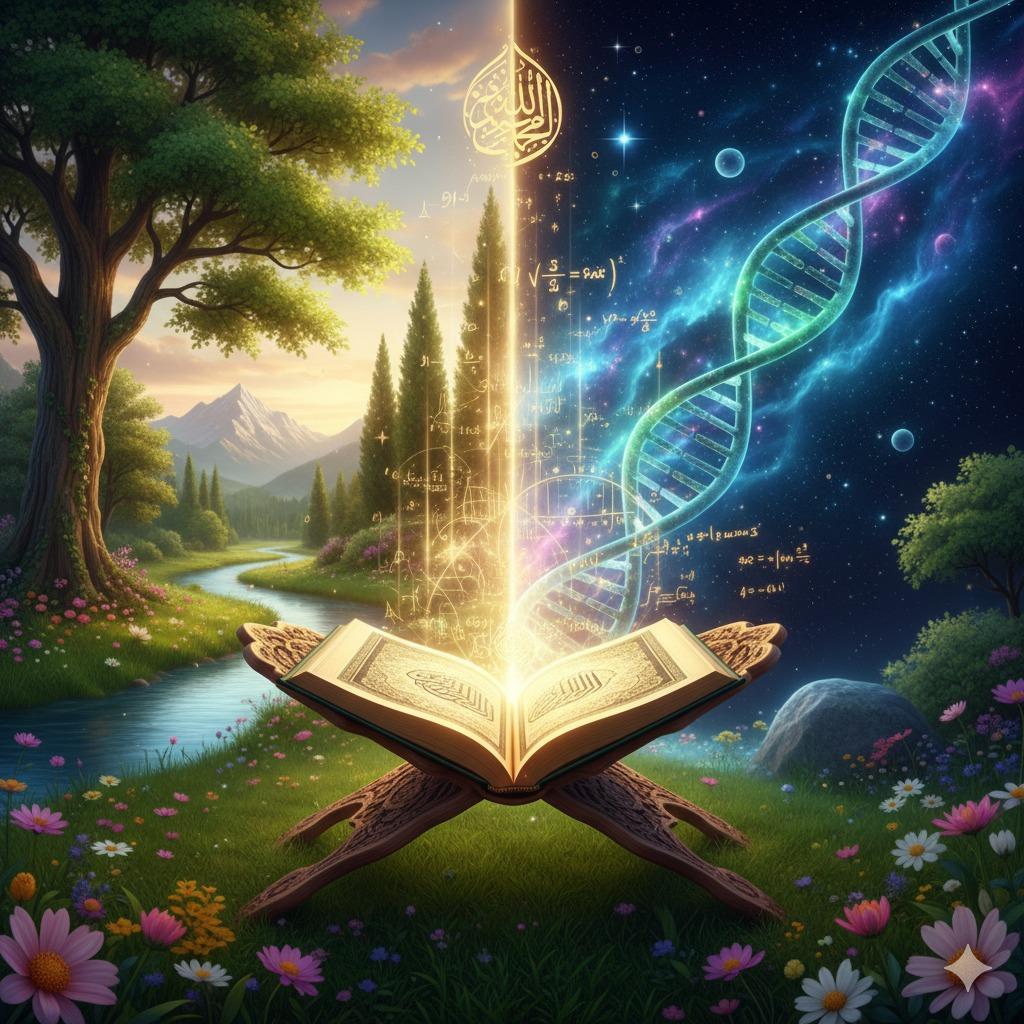
    Bahut pehle ki baat nahi hai, jab ek talib-e-ilm (student) ne apni kitab aur kainat (universe) ke darmiyan ek gehra talluq dekha. Usne mehsus kiya ki Quran sirf ibadat ki kitab nahi, balki ilm ka ek vishal samundar hai. Quran ne 1400 saal pehle un haqayeq (facts) ka zikr kiya jinhe aaj ki modern science sabit kar rahi hai. Suraj aur chand ka apne makhsoos raste (orbit) par chalna ho ya barish ke barasne ka nizaam, har jagah ek pur-asrar hikmat chhupi hui hai.
    [Image: An open Quran with light emanating from its pages, merging into celestial galaxies and DNA structures]

    Quran ne insani takhleeq (embryology) ke bare mein jo bataya, use dekh kar bade-bade scientists dang reh gaye . "Alaq" (clinging clot) se lekar haddiyon par gosht chadhne tak ka safar, ek-ek marhala itni bariki se bayan kiya gaya hai jo us zamane mein baghair kisi microscope ke namumkin tha. Yeh is baat ka saboot hai ki jisne humein banaya, usne hi yeh hidayat nazil ki. Kudrat aur Quran ke darmiyan yeh bond insaan ko hairat aur shukr ke maqam par le jata hai.

    Samundaron ke milne par unke darmiyan ek adrishya parda (barrier) hona , ya pahadon ka dharti ke liye 'keel' (pegs) ki tarah hona , yeh sab woh nishaniyan hain jo aqal walo ko sochne par majboor karti hain. Science aaj wahan pahunch rahi hai jahan Quran ne pehle hi rasta dikha diya tha. Dono ka maqsad ek hi hai: Haqeeqat ki talash. Yeh bond humein sikhata hai ki ilm aur imaan do alag raste nahi, balki ek hi manzil ke do pahlu hain.

    Is dosti ne duniya ko ye dikhaya ki jab hum apni aankhon aur zehan ko khol kar Quran padhte hain, toh puri kainat ek khuli kitab ban jati hai. Science humein batati hai ki "kaise" (how) cheezein kaam karti hain, aur Quran humein batata hai ki "kyun" (why) yeh sab maujood hai. Yeh bond humein ek behtar insaan aur ek zimmedar scientist banata hai, jo kudrat ki hifazat karna apna farz samajhta hai.

    Moral of the Story
    Ilm aur Imaan ek dusre ke dushman nahi balki saathi hain. Quran humein sochne aur tadabbur (reflection) karne ki dawat deta hai, aur science usi tajassus ka rasta hai. Asli kamyabi dono ke talmel mein hai.

    Hashtags #️⃣
    #QuranAndScience #BondOfKnowledge #DivineWisdom #IslamicScience #UniverseSecrets #FaithAndReason #ScientificMiracles #IslamicHistory
    Story: 11 ACCL Portal Day: 76 Task: The Quran and Science: A Bond of Knowledge Bahut pehle ki baat nahi hai, jab ek talib-e-ilm (student) ne apni kitab aur kainat (universe) ke darmiyan ek gehra talluq dekha. Usne mehsus kiya ki Quran 📖 sirf ibadat ki kitab nahi, balki ilm ka ek vishal samundar hai. Quran ne 1400 saal pehle un haqayeq (facts) ka zikr kiya jinhe aaj ki modern science 🔬 sabit kar rahi hai. Suraj aur chand ka apne makhsoos raste (orbit) par chalna ho ya barish ke barasne ka nizaam, har jagah ek pur-asrar hikmat chhupi hui hai. 🌌✨ [Image: An open Quran with light emanating from its pages, merging into celestial galaxies and DNA structures] Quran ne insani takhleeq (embryology) ke bare mein jo bataya, use dekh kar bade-bade scientists dang reh gaye 🧬. "Alaq" (clinging clot) se lekar haddiyon par gosht chadhne tak ka safar, ek-ek marhala itni bariki se bayan kiya gaya hai jo us zamane mein baghair kisi microscope ke namumkin tha. Yeh is baat ka saboot hai ki jisne humein banaya, usne hi yeh hidayat nazil ki. Kudrat aur Quran ke darmiyan yeh bond 🤝 insaan ko hairat aur shukr ke maqam par le jata hai. 🌍💫 Samundaron ke milne par unke darmiyan ek adrishya parda (barrier) hona 🌊, ya pahadon ka dharti ke liye 'keel' (pegs) ki tarah hona 🏔️, yeh sab woh nishaniyan hain jo aqal walo ko sochne par majboor karti hain. Science aaj wahan pahunch rahi hai jahan Quran ne pehle hi rasta dikha diya tha. Dono ka maqsad ek hi hai: Haqeeqat ki talash. Yeh bond humein sikhata hai ki ilm aur imaan do alag raste nahi, balki ek hi manzil ke do pahlu hain. 🕯️🔭 Is dosti ne duniya ko ye dikhaya ki jab hum apni aankhon aur zehan ko khol kar Quran padhte hain, toh puri kainat ek khuli kitab ban jati hai. Science humein batati hai ki "kaise" (how) cheezein kaam karti hain, aur Quran humein batata hai ki "kyun" (why) yeh sab maujood hai. Yeh bond humein ek behtar insaan aur ek zimmedar scientist banata hai, jo kudrat ki hifazat karna apna farz samajhta hai. 🌿⭐ Moral of the Story 💡 Ilm aur Imaan ek dusre ke dushman nahi balki saathi hain. Quran humein sochne aur tadabbur (reflection) karne ki dawat deta hai, aur science usi tajassus ka rasta hai. Asli kamyabi dono ke talmel mein hai. Hashtags #️⃣ #QuranAndScience #BondOfKnowledge #DivineWisdom #IslamicScience #UniverseSecrets #FaithAndReason #ScientificMiracles #IslamicHistory
    0 Comments 0 Shares 4419 Views
  • tory no 3
    Day 12: The Clever Plan of Mulla Nasrudin
    Task: 12

    Mulla Nasrudin aur Bhari Gathri

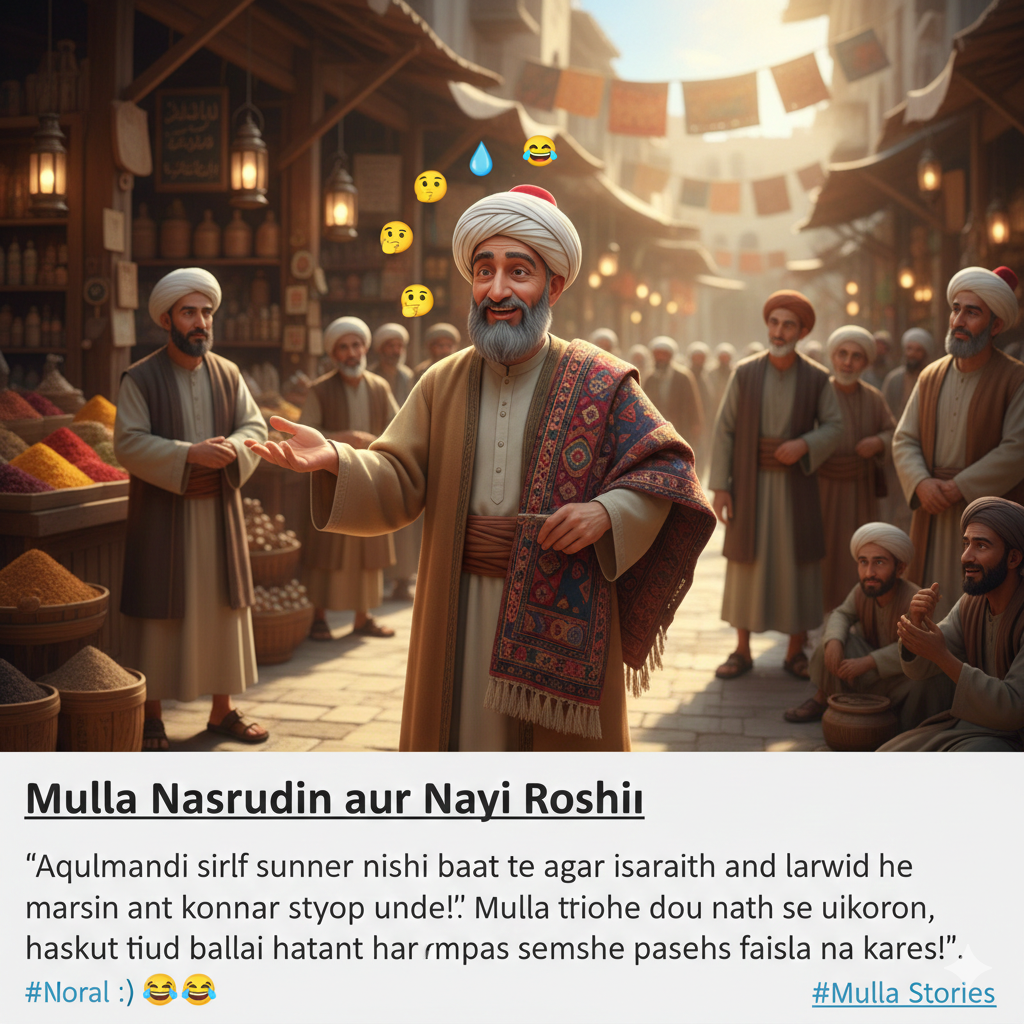
    Ek dafa Mulla Nasrudin apne gadhe par sawar hokar shehar ja rahe thay. Unhon ne apne kandhe par ek bahut bhari aur badi gathri (bundle) uthayi hui thi. Ek raahgeer ne jab ye dekha toh hairan hokar pucha, "Mulla ji! Aap ye bojh apne kandhe par kyun uthaye hue hain? Isse toh aap apne gadhe ki peeth par bhi rakh sakte thay, bechara janwar thak raha hoga."

    Mulla Nasrudin ne thandi aah bhari aur badi hamdardi se jawab diya, "Bhai, main apne is bechare gadhe par itna zulm nahi kar sakta! Ye pehle hi mera wazan uthaye hue hai, agar main ye bhari gathri bhi is par rakh deta toh ye bechara toh dab hi jata. Isliye maine socha ke kam az kam gathri ka bojh main khud utha loon!"

    Raahgeer ye sun kar apna sar peetne laga aur zor-zor se hansne laga. Usne samjhaya, "Mulla saheb! Chahe gathri aapke kandhe par ho ya gadhe ki peeth par, aakhir mein saara wazan toh gadhe ki taangon par hi ja raha hai!" Mulla ne thodi der socha aur phir sharmindagi se muskurate hue gathri gadhe par rakh di.

    Ye kahani humein sikhati hai ke aksar hum be-maqsad fikar aur bojh apne sar par sawar kar lete hain, ye soche baghair ke asal masla kahan hai. Hum samajhte hain ke hum mushkil ko asaan kar rahe hain, magar dar-asal hum sirf khud ko thaka rahe hote hain. Zehni sukoon ke liye haqeeqat ko samajhna zaroori hai.

    #Hashtags

    #MullaNasrudin

    #CleverPlan

    #FunnyStories #Wisdom #UrduHikayat #Mindset #LifeLessons #nasrudinhumor

    Moral (Sabaq)
    "Sirf mehnat kafi nahi hoti, aqalmandi aur saahi simt (direction) mein ki gayi koshish hi asal nateeja deti hai. Be-waja ka zehni bojh uthane se halat nahi badalte.

    tory no 3 Day 12: The Clever Plan of Mulla Nasrudin Task: 12 Mulla Nasrudin aur Bhari Gathri Ek dafa Mulla Nasrudin apne gadhe par sawar hokar shehar ja rahe thay. Unhon ne apne kandhe par ek bahut bhari aur badi gathri (bundle) uthayi hui thi. Ek raahgeer ne jab ye dekha toh hairan hokar pucha, "Mulla ji! Aap ye bojh apne kandhe par kyun uthaye hue hain? Isse toh aap apne gadhe ki peeth par bhi rakh sakte thay, bechara janwar thak raha hoga." Mulla Nasrudin ne thandi aah bhari aur badi hamdardi se jawab diya, "Bhai, main apne is bechare gadhe par itna zulm nahi kar sakta! Ye pehle hi mera wazan uthaye hue hai, agar main ye bhari gathri bhi is par rakh deta toh ye bechara toh dab hi jata. Isliye maine socha ke kam az kam gathri ka bojh main khud utha loon!" Raahgeer ye sun kar apna sar peetne laga aur zor-zor se hansne laga. Usne samjhaya, "Mulla saheb! Chahe gathri aapke kandhe par ho ya gadhe ki peeth par, aakhir mein saara wazan toh gadhe ki taangon par hi ja raha hai!" Mulla ne thodi der socha aur phir sharmindagi se muskurate hue gathri gadhe par rakh di. Ye kahani humein sikhati hai ke aksar hum be-maqsad fikar aur bojh apne sar par sawar kar lete hain, ye soche baghair ke asal masla kahan hai. Hum samajhte hain ke hum mushkil ko asaan kar rahe hain, magar dar-asal hum sirf khud ko thaka rahe hote hain. Zehni sukoon ke liye haqeeqat ko samajhna zaroori hai. #Hashtags #MullaNasrudin #CleverPlan #FunnyStories #Wisdom #UrduHikayat #Mindset #LifeLessons #nasrudinhumor Moral (Sabaq) "Sirf mehnat kafi nahi hoti, aqalmandi aur saahi simt (direction) mein ki gayi koshish hi asal nateeja deti hai. Be-waja ka zehni bojh uthane se halat nahi badalte.
    0 Comments 0 Shares 5822 Views
  • Day 10: Mulla Nasrudin & the Donkey's Price
    Task: 10

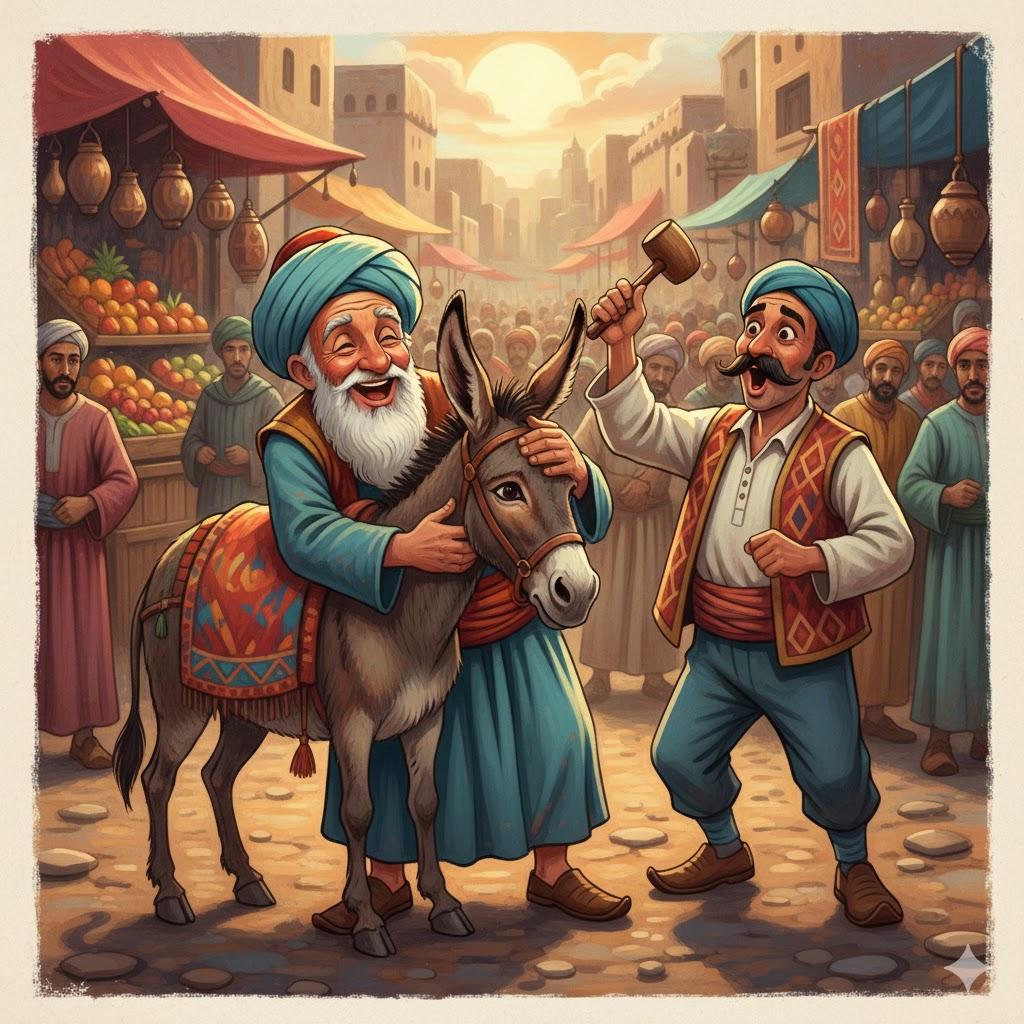
    Ek baar Mulla Nasrudin apne purane gadhe ko bazaar bechne le gaye. Unhone ek dalal (broker) ko kaam par rakha taaki gadha achhe daam mein bik sake. Dalal ne gadhe ki itni tareef ki, use "shahi sawari," "tez-raftaar," aur "vafadar dost" bataya ki Mulla khud hairan reh gaye. Unhe laga ki unke paas itna nayab janwar hai aur unhe iska pata hi nahi tha! 🫏
    Jaise hi boli lagne lagi aur keemat badhne lagi, Mulla ka mann badal gaya. Dalal ki baaton se mutasir hokar unhone chillakar kaha, "Ruko! Main ise nahi bech raha!" Jab logon ne wajah puchi, toh Mulla bole, "Main itna bewakoof nahi hoon ki aise shandaar aur gunon se bhare gadhe ko bech doon jise main barson se dhoond raha tha!"

    Mulla Nasrudin gadhe ko wapas ghar le aaye, par raaste mein unhe ehsas hua ki gadha toh wahi purana, sust aur thaka hua hai. Unhe samajh aaya ki kabhi-kabhi hum doosron ki baaton mein itna aa jate hain ki apne purane tajurbe hi bhool baithte hain. Yeh kahani humein dikhati hai ki kaise alfaaz (words) hamari soch ko badal sakte hain, bhale hi sachai kuch aur ho.

    Aaj bhi log is kisse par hanste hain kyunki yeh insani fitrat ko darshata hai. Hum aksar us cheez ki qadar tab karte hain jab koi doosra uski tareef karta hai ya jab hum use khone wale hote hain. Mulla ki sadagi aur unki yeh nadani humein hamesha ek gehra sabaq de jati hai. morale: Apni aqal ka istemal karein, sirf suni-sunayi baaton par nahi!

    #MullaNasrudin #SufiWisdom #DonkeyStory #WitAndHumor #UrduStories #MoralLessons #NasrudinHodja #OldTales


    Day 10: Mulla Nasrudin & the Donkey's Price Task: 10 Ek baar Mulla Nasrudin apne purane gadhe ko bazaar bechne le gaye. Unhone ek dalal (broker) ko kaam par rakha taaki gadha achhe daam mein bik sake. Dalal ne gadhe ki itni tareef ki, use "shahi sawari," "tez-raftaar," aur "vafadar dost" bataya ki Mulla khud hairan reh gaye. Unhe laga ki unke paas itna nayab janwar hai aur unhe iska pata hi nahi tha! 😲🫏 Jaise hi boli lagne lagi aur keemat badhne lagi, Mulla ka mann badal gaya. Dalal ki baaton se mutasir hokar unhone chillakar kaha, "Ruko! Main ise nahi bech raha!" Jab logon ne wajah puchi, toh Mulla bole, "Main itna bewakoof nahi hoon ki aise shandaar aur gunon se bhare gadhe ko bech doon jise main barson se dhoond raha tha!" 🗣️❌ Mulla Nasrudin gadhe ko wapas ghar le aaye, par raaste mein unhe ehsas hua ki gadha toh wahi purana, sust aur thaka hua hai. Unhe samajh aaya ki kabhi-kabhi hum doosron ki baaton mein itna aa jate hain ki apne purane tajurbe hi bhool baithte hain. Yeh kahani humein dikhati hai ki kaise alfaaz (words) hamari soch ko badal sakte hain, bhale hi sachai kuch aur ho. 🤔✨ Aaj bhi log is kisse par hanste hain kyunki yeh insani fitrat ko darshata hai. Hum aksar us cheez ki qadar tab karte hain jab koi doosra uski tareef karta hai ya jab hum use khone wale hote hain. Mulla ki sadagi aur unki yeh nadani humein hamesha ek gehra sabaq de jati hai. 😂 morale: Apni aqal ka istemal karein, sirf suni-sunayi baaton par nahi! 📜💡 #MullaNasrudin #SufiWisdom #DonkeyStory #WitAndHumor #UrduStories #MoralLessons #NasrudinHodja #OldTales
    0 Comments 0 Shares 6639 Views
  • In a world moving forward, staying offline means staying behind.

    I have built my digital life with two wallets in my phone instead of one wallet in my pocket.

    SadaPay
    NayaPay

    Rehan Allahwala ’s mission is to make Pakistan fully digital.

    I am not just watching it happen, I am a part of it.

    #DigitalPakistan #FinancialFreedom #RehanAllahwalaMission #GoCashless #DigitalWallet #SadaPay #NayaPay
    In a world moving forward, staying offline means staying behind. I have built my digital life with two wallets in my phone instead of one wallet in my pocket. SadaPay ✔️ NayaPay ✔️ [rehan] ’s mission is to make Pakistan fully digital. I am not just watching it happen, I am a part of it. #DigitalPakistan #FinancialFreedom #RehanAllahwalaMission #GoCashless #DigitalWallet #SadaPay #NayaPay
    2
    1 Comments 0 Shares 11660 Views