



ACCL PORTAL DAY 146 TASK STORY POST @Badaruddin Chai wala The Ethics and Education of Animal Dissections
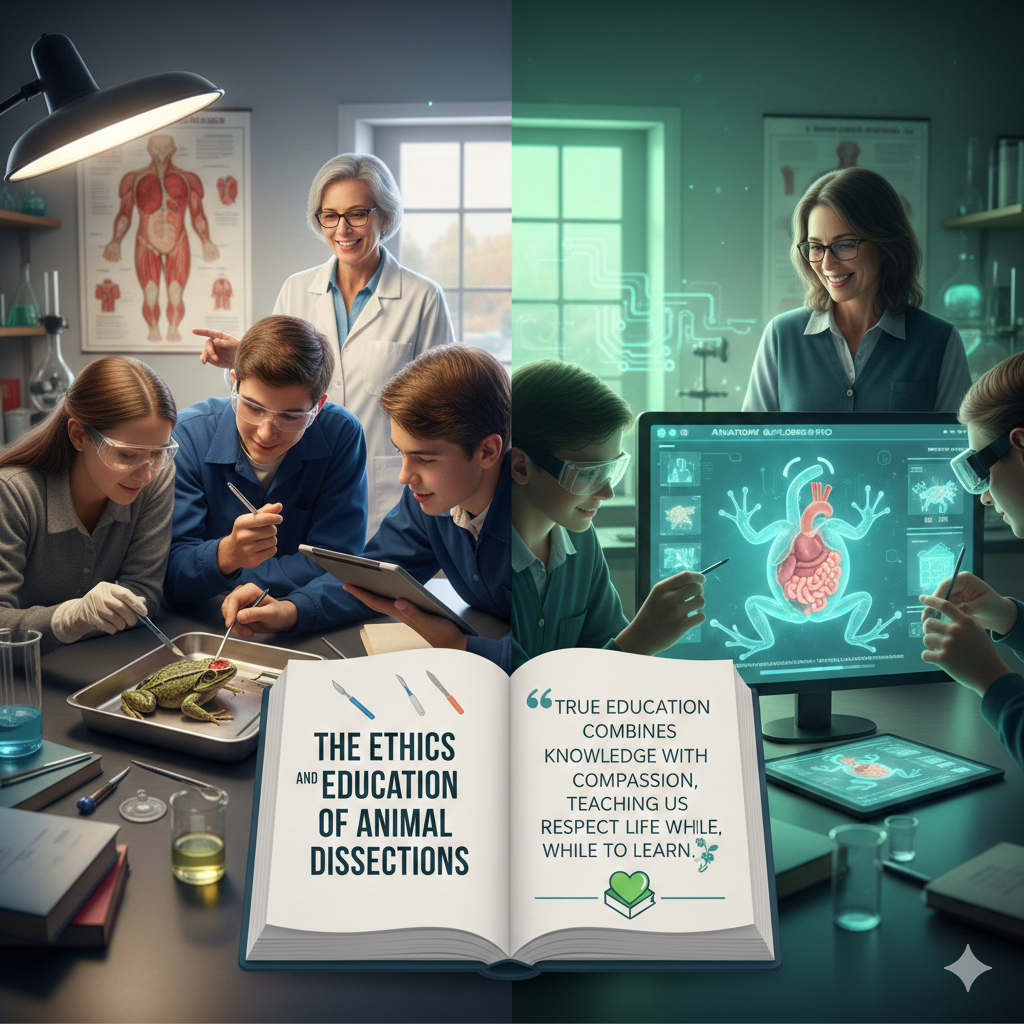
Animal dissection has been a traditional method in science education for many years. It allows students to explore anatomy in a hands-on way and understand how living organisms function. By examining real organs and tissues, learners can better grasp biological systems such as the circulatory or respiratory system. For some students, this practical experience strengthens curiosity and deepens their understanding of life sciences.
However, animal dissection also raises ethical concerns. Many people question whether it is right to use animals for educational purposes, especially when alternative methods are available. Respect for life and animal welfare are important values in modern society. Some students may feel uncomfortable or distressed participating in dissections, which can affect their learning experience.
Today, technology offers alternatives such as virtual dissection software, 3D models, and interactive simulations. These tools can provide detailed anatomical views without harming animals. Schools are increasingly adopting these humane options, balancing scientific learning with compassion. This shift reflects a growing awareness of ethical responsibility in education.
In conclusion, animal dissection in education is a complex issue that involves both scientific benefits and ethical considerations. While it can enhance understanding, it is important to respect diverse viewpoints and explore humane alternatives. Education should not only teach knowledge but also encourage empathy and responsibility toward all living beings.
Moral: True education combines knowledge with compassion, teaching us to respect life while we learn.
Animal dissection has been a traditional method in science education for many years. It allows students to explore anatomy in a hands-on way and understand how living organisms function. By examining real organs and tissues, learners can better grasp biological systems such as the circulatory or respiratory system. For some students, this practical experience strengthens curiosity and deepens their understanding of life sciences.
However, animal dissection also raises ethical concerns. Many people question whether it is right to use animals for educational purposes, especially when alternative methods are available. Respect for life and animal welfare are important values in modern society. Some students may feel uncomfortable or distressed participating in dissections, which can affect their learning experience.
Today, technology offers alternatives such as virtual dissection software, 3D models, and interactive simulations. These tools can provide detailed anatomical views without harming animals. Schools are increasingly adopting these humane options, balancing scientific learning with compassion. This shift reflects a growing awareness of ethical responsibility in education.
In conclusion, animal dissection in education is a complex issue that involves both scientific benefits and ethical considerations. While it can enhance understanding, it is important to respect diverse viewpoints and explore humane alternatives. Education should not only teach knowledge but also encourage empathy and responsibility toward all living beings.
Moral: True education combines knowledge with compassion, teaching us to respect life while we learn.
ACCL PORTAL DAY 146 TASK STORY POST @Badaruddin Chai wala 🧪🐸 The Ethics and Education of Animal Dissections 🐭📚
Animal dissection has been a traditional method in science education for many years. 🏫🔬 It allows students to explore anatomy in a hands-on way and understand how living organisms function. By examining real organs and tissues, learners can better grasp biological systems such as the circulatory or respiratory system. For some students, this practical experience strengthens curiosity and deepens their understanding of life sciences. 🌱✨
However, animal dissection also raises ethical concerns. 🐾⚖️ Many people question whether it is right to use animals for educational purposes, especially when alternative methods are available. Respect for life and animal welfare are important values in modern society. Some students may feel uncomfortable or distressed participating in dissections, which can affect their learning experience. 💭💔
Today, technology offers alternatives such as virtual dissection software, 3D models, and interactive simulations. 💻🧠 These tools can provide detailed anatomical views without harming animals. Schools are increasingly adopting these humane options, balancing scientific learning with compassion. 🌍💚 This shift reflects a growing awareness of ethical responsibility in education.
In conclusion, animal dissection in education is a complex issue that involves both scientific benefits and ethical considerations. 📖⚗️ While it can enhance understanding, it is important to respect diverse viewpoints and explore humane alternatives. Education should not only teach knowledge but also encourage empathy and responsibility toward all living beings. 🐶🌸
🌟 Moral: True education combines knowledge with compassion, teaching us to respect life while we learn. 💚📚
0 Comments
0 Shares
125 Views