#rsisb
roll no 163
song no 2
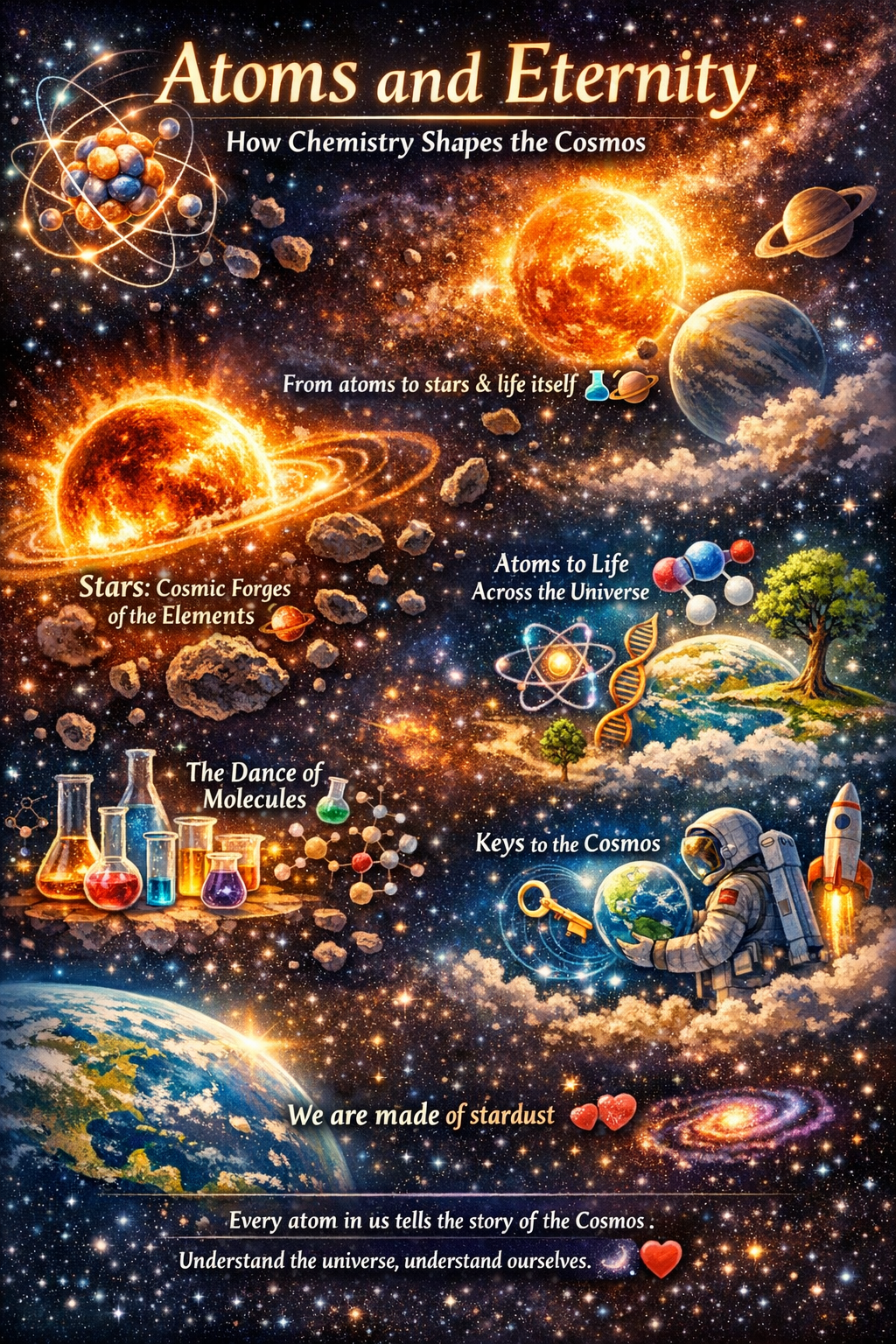
The relationship of molecules is one of the most fascinating concepts in the field of Chemistry, as it explains how the smallest units of matter come together to form everything we see and experience in our daily lives. From the air we breathe to the food we eat and even the cells in our bodies, molecules play a vital role in shaping the structure and function of all matter.
A molecule is formed when two or more atoms bond together through a process known as Chemical Bonding. These bonds can be strong or weak, depending on how atoms share or transfer electrons. The most common types include covalent bonds (where electrons are shared) and ionic bonds (where electrons are transferred). This bonding creates stable structures that give substances their unique properties, such as color, texture, and state (solid, liquid, or gas).
The relationship between molecules goes beyond just bonding—it also includes how molecules interact with each other. Forces like intermolecular attractions determine how substances behave under different conditions. For example, the reason water sticks together and forms droplets is due to these molecular interactions. These relationships are essential in understanding natural phenomena such as evaporation, condensation, and even weather patterns.
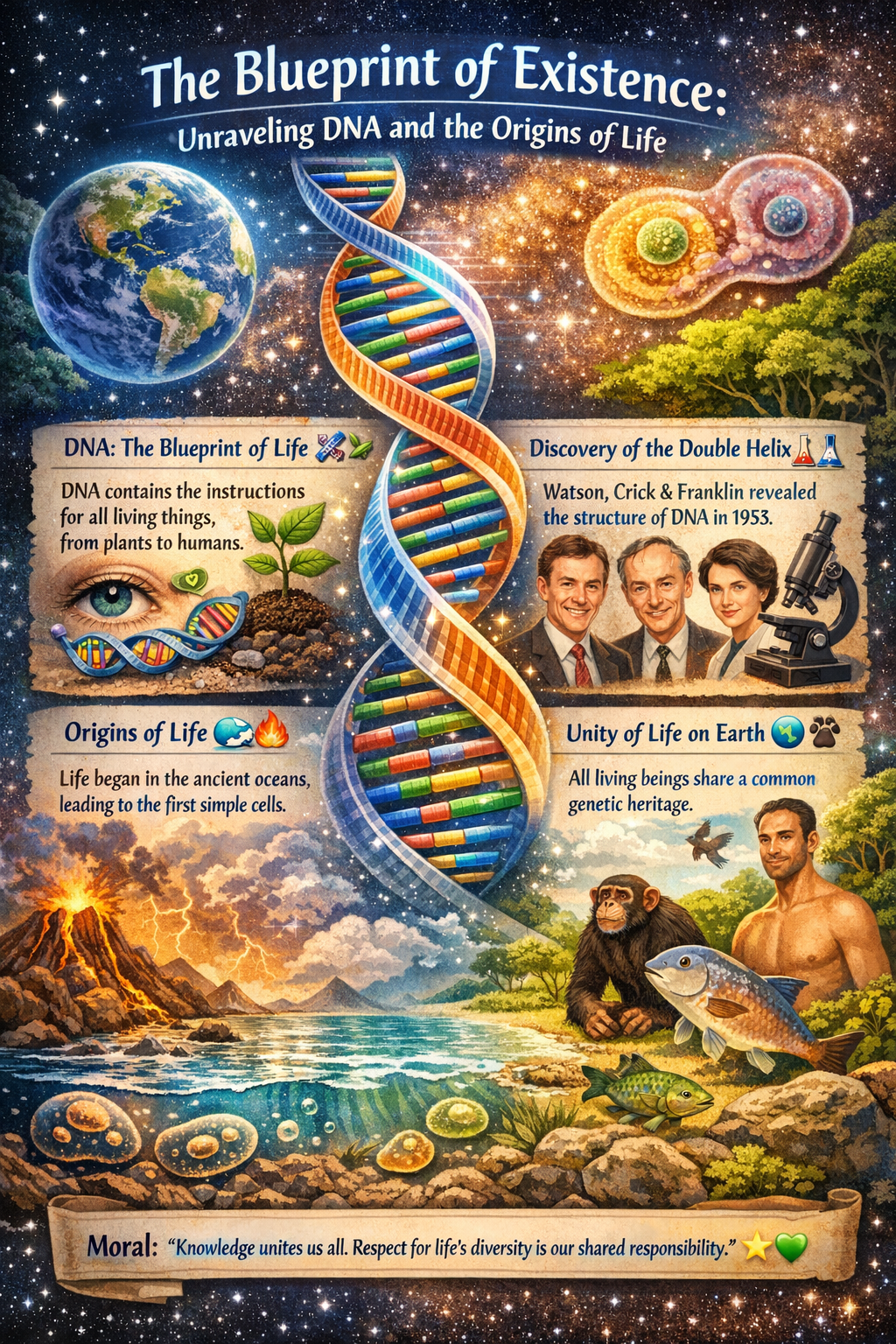
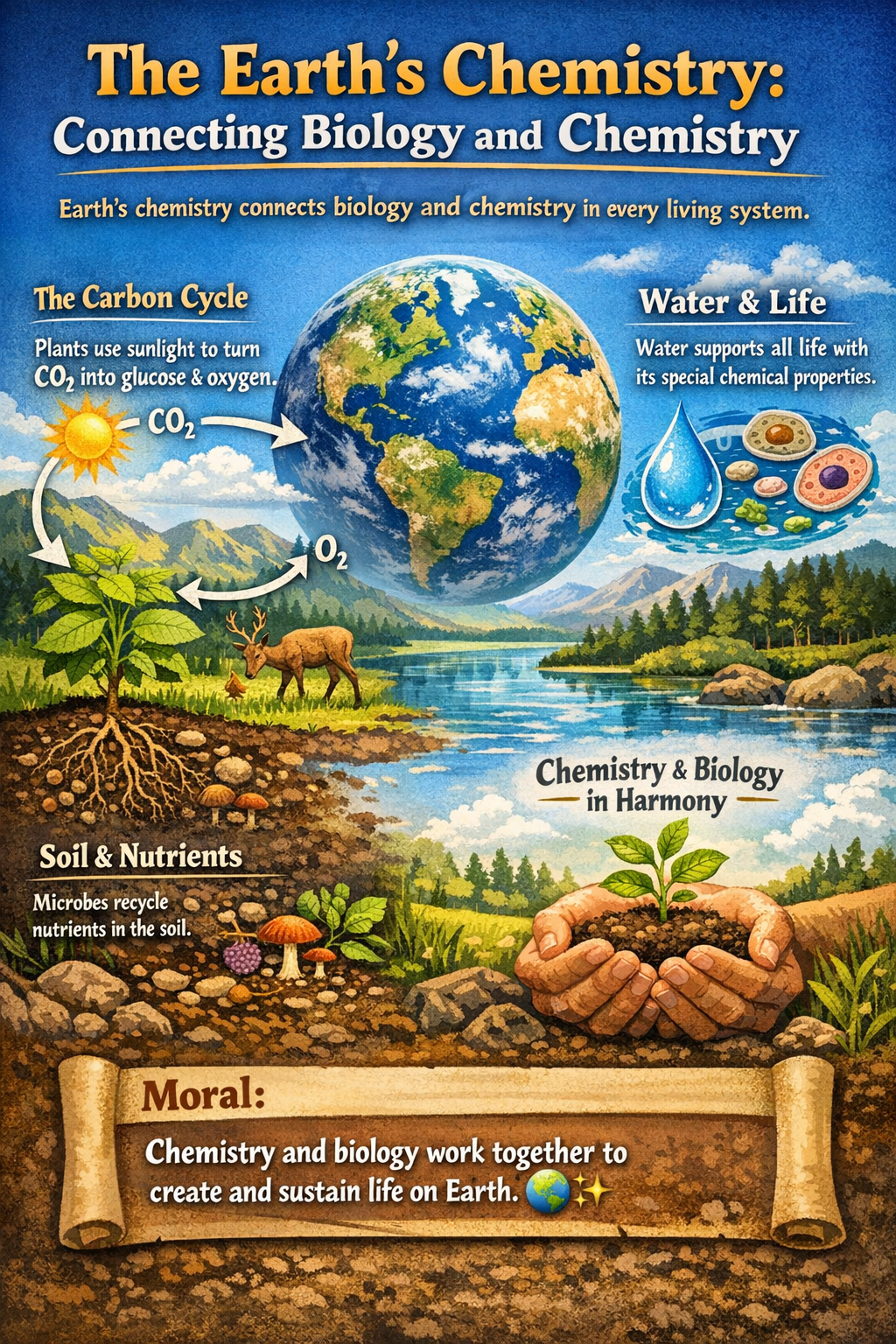
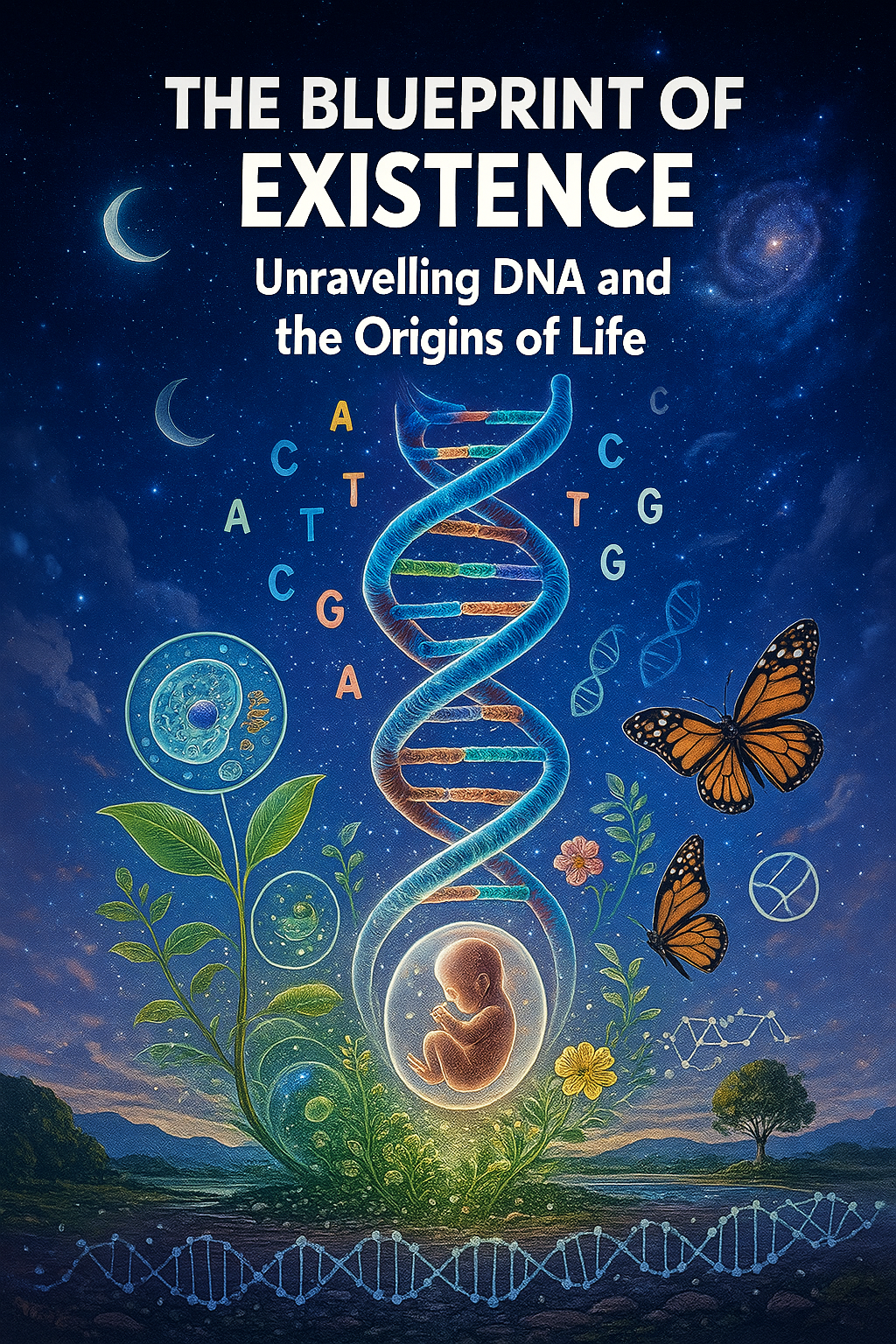
In the human body, molecular relationships are even more complex and important. The process of Photosynthesis in plants and cellular respiration in humans both rely on precise molecular interactions to produce energy. Without these processes, life as we know it would not exist. Molecules like proteins, DNA, and enzymes work together in highly organized ways to support growth, repair, and survival.
Molecular relationships also drive innovation in science and technology. By understanding how molecules behave, scientists can create new medicines, develop advanced materials, and solve environmental challenges. For example, designing drugs that target specific molecules in the body helps treat diseases more effectively.
In simple terms, the relationship of molecules is the foundation of everything in the universe. When atoms connect, they form molecules—and when molecules interact, they create systems that support life and the world around us. Understanding these relationships not only helps us learn science but also opens the door to discovering new possibilities for the future.
#Chemistry #Molecules #Science #ChemicalBonding #Atoms #STEM #Education #Biology #ExploreScience #Knowledge
https://youtu.be/3PcRtIb7Xfw?si=x5JY_AJBzwfUIiwp
roll no 163
song no 2
The relationship of molecules is one of the most fascinating concepts in the field of Chemistry, as it explains how the smallest units of matter come together to form everything we see and experience in our daily lives. From the air we breathe to the food we eat and even the cells in our bodies, molecules play a vital role in shaping the structure and function of all matter.
A molecule is formed when two or more atoms bond together through a process known as Chemical Bonding. These bonds can be strong or weak, depending on how atoms share or transfer electrons. The most common types include covalent bonds (where electrons are shared) and ionic bonds (where electrons are transferred). This bonding creates stable structures that give substances their unique properties, such as color, texture, and state (solid, liquid, or gas).
The relationship between molecules goes beyond just bonding—it also includes how molecules interact with each other. Forces like intermolecular attractions determine how substances behave under different conditions. For example, the reason water sticks together and forms droplets is due to these molecular interactions. These relationships are essential in understanding natural phenomena such as evaporation, condensation, and even weather patterns.
In the human body, molecular relationships are even more complex and important. The process of Photosynthesis in plants and cellular respiration in humans both rely on precise molecular interactions to produce energy. Without these processes, life as we know it would not exist. Molecules like proteins, DNA, and enzymes work together in highly organized ways to support growth, repair, and survival.
Molecular relationships also drive innovation in science and technology. By understanding how molecules behave, scientists can create new medicines, develop advanced materials, and solve environmental challenges. For example, designing drugs that target specific molecules in the body helps treat diseases more effectively.
In simple terms, the relationship of molecules is the foundation of everything in the universe. When atoms connect, they form molecules—and when molecules interact, they create systems that support life and the world around us. Understanding these relationships not only helps us learn science but also opens the door to discovering new possibilities for the future.
#Chemistry #Molecules #Science #ChemicalBonding #Atoms #STEM #Education #Biology #ExploreScience #Knowledge
https://youtu.be/3PcRtIb7Xfw?si=x5JY_AJBzwfUIiwp
#rsisb
roll no 163
song no 2
The relationship of molecules is one of the most fascinating concepts in the field of Chemistry, as it explains how the smallest units of matter come together to form everything we see and experience in our daily lives. 🌍 From the air we breathe to the food we eat and even the cells in our bodies, molecules play a vital role in shaping the structure and function of all matter.
A molecule is formed when two or more atoms bond together through a process known as Chemical Bonding. These bonds can be strong or weak, depending on how atoms share or transfer electrons. The most common types include covalent bonds (where electrons are shared) and ionic bonds (where electrons are transferred). ⚛️✨ This bonding creates stable structures that give substances their unique properties, such as color, texture, and state (solid, liquid, or gas).
The relationship between molecules goes beyond just bonding—it also includes how molecules interact with each other. Forces like intermolecular attractions determine how substances behave under different conditions. For example, the reason water sticks together and forms droplets is due to these molecular interactions. 💧 These relationships are essential in understanding natural phenomena such as evaporation, condensation, and even weather patterns. 🌦️
In the human body, molecular relationships are even more complex and important. The process of Photosynthesis in plants and cellular respiration in humans both rely on precise molecular interactions to produce energy. 🧬 Without these processes, life as we know it would not exist. Molecules like proteins, DNA, and enzymes work together in highly organized ways to support growth, repair, and survival.
Molecular relationships also drive innovation in science and technology. By understanding how molecules behave, scientists can create new medicines, develop advanced materials, and solve environmental challenges. 🌱 For example, designing drugs that target specific molecules in the body helps treat diseases more effectively.
In simple terms, the relationship of molecules is the foundation of everything in the universe. When atoms connect, they form molecules—and when molecules interact, they create systems that support life and the world around us. 💡 Understanding these relationships not only helps us learn science but also opens the door to discovering new possibilities for the future. 🚀
#Chemistry 🧪 #Molecules ⚛️ #Science 🌍 #ChemicalBonding 💫 #Atoms 🔬 #STEM 🚀 #Education 📚 #Biology 🧬 #ExploreScience 🌟 #Knowledge 💡
https://youtu.be/3PcRtIb7Xfw?si=x5JY_AJBzwfUIiwp

0 Commenti
0 condivisioni
625 Views